

 English
  Français
Industry News
How Does the Region of Green Tea Made in China Influence Its Flavor Profile and Antioxidant Content?
1. Soil Composition and Mineral Analysis
- The chemical composition of soil in tea-growing regions significantly impacts polyphenol and catechin concentrations in Green Tea Made in China. Soils with pH 5.5–6.5 and high organic matter content favor catechin biosynthesis.
- Trace minerals such as Mg, K, and Fe influence chlorophyll retention, leaf tensile strength, and overall pigment uniformity.
- Long-tail keyword integration: What soil parameters maximize catechin levels in green tea — regions with volcanic loam exhibit 10–15% higher polyphenols compared to alluvial plains.
2. Climatic Factors and Microenvironment Effects
- Altitude, temperature, and humidity play a crucial role. Tea grown at 800–1200 meters develops thicker leaf epidermis and smaller leaf area, enhancing antioxidant density.
- Diurnal temperature variation of 10–15°C promotes slow biosynthesis of L-theanine and catechins, influencing flavor profile.
- Regions with persistent mist increase relative humidity, reducing leaf stress and maintaining chlorophyll content stability.
3. Leaf Harvesting Standards and Physical Properties
- Adherence to one bud and two leaves standard ensures consistent tensile strength and moisture uniformity before fixation.
- Optimal leaf moisture at plucking is 60–65%, critical for uniform rolling and minimizing cellular damage.
- Integration of long-tail keyword: How plucking techniques affect antioxidant retention in Chinese green tea — precise harvesting reduces oxidation and enhances polyphenol availability.
4. Thermal Fixation and Enzyme Inactivation
- Pan-firing or steaming at 180–200°C halts enzymatic oxidation, maintaining green pigment and catechin structure.
- Controlled exposure time ensures leaf texture remains intact, avoiding surface cracking while preserving volatile aromatic compounds.
- Temperature ramping at 5°C/min minimizes leaf stress and prevents Maillard overreaction that can impart bitterness.
5. Post-Processing Drying and Antioxidant Stability
- Final leaf moisture is reduced to 3–4% to ensure long-term stability of polyphenols and prevent microbial growth.
- Controlled cooling and storage conditions preserve the flavonoid profile and maintain consistent flavor across batches.
- Long-tail keyword integration: How storage conditions influence antioxidant levels in green tea made in China — maintaining 20–25°C and 50–60% relative humidity ensures stability over 18–24 months.
6. Comparative Flavor and Antioxidant Profiles Across Regions
Textual comparison of major Chinese green tea regions:
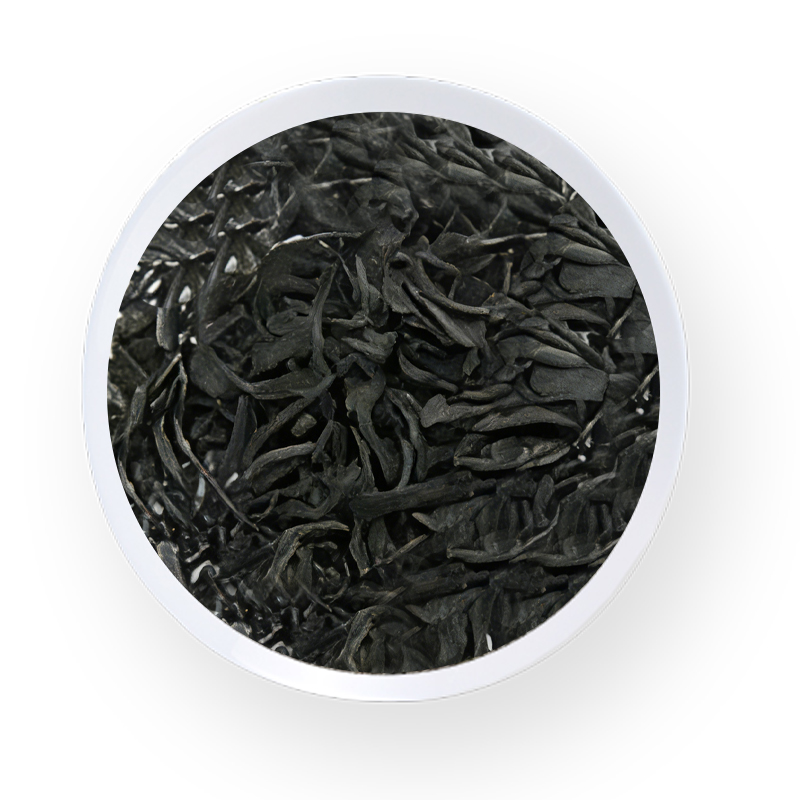
- Zhejiang: Loose leaves, moderate polyphenol content 70–85 mg/g, mild aroma, light bitterness.
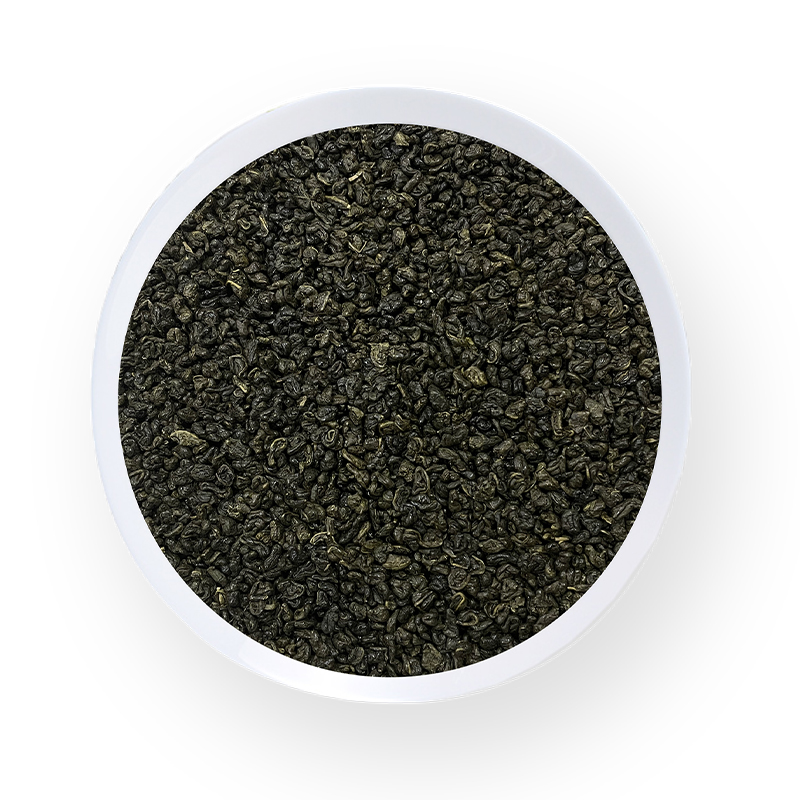
- Anhui: Rolled leaves, polyphenol content 80–95 mg/g, rich umami, balanced bitterness.
- Yunnan: Larger leaves, polyphenol content 60–75 mg/g, high L-theanine, softer flavor.
| Region | Leaf Type | Polyphenol (mg/g) | L-Theanine (%) | Flavor Notes |
| Zhejiang | Loose | 70–85 | 1.5–1.8 | Mild, slightly bitter |
| Anhui | Rolled | 80–95 | 1.8–2.1 | Umami, balanced bitterness |
| Yunnan | Larger Leaf | 60–75 | 2.0–2.3 | Soft, high sweetness |
FAQ
- Q1: How does altitude influence polyphenol concentration in Green Tea Made in China?
Higher altitude growth slows leaf metabolism, increasing catechin and flavonoid concentration, improving antioxidant potential. - Q2: Which soil factors are critical for optimal antioxidant retention?
Loamy soils with high organic content and pH 5.5–6.5 enhance catechin biosynthesis and chlorophyll stability. - Q3: What moisture levels should leaves maintain pre-rolling?
Leaf moisture of 60–65% ensures tensile strength and uniformity during rolling, critical for maintaining polyphenols. - Q4: How do processing temperatures affect flavor compounds?
Thermal fixation at 180–200°C preserves volatile aromatics while halting oxidation, balancing umami and mild bitterness. - Q5: How should Green Tea Made in China be stored for long-term antioxidant stability?
Storage at 20–25°C with 50–60% relative humidity minimizes degradation, extending shelf-life to 18–24 months.
Technical References
- ISO 11292:2011 – Green Tea (Camellia sinensis) Determination of Caffeine Content
- ASTM D7871-16 – Physical and Chemical Analysis of Green Tea
- GB/T 14456-2017 – Chinese Tea Quality Standard: Green Tea
Chinese Original Green Tea Loose Leaf
Chinese Original Green Tea Mild Taste
Chinese Original Green Tea Fresh Leaves
Chinese Original Green Tea Non Fermented Tea
Chinese Original Green Tea Early Spring Harvest
Chinese Original Green Tea Vacuum Packed
Chinese Original Green Tea For Daily Drinking
Chinese Original Green Tea Traditional Processing
Chinese Original Green Tea Natural Aroma
Chinese Original Green Tea Premium Grade
Related Products
 We sincerely welcome customers from all over the world to visit us and seek common
development and create brilliant future.
We sincerely welcome customers from all over the world to visit us and seek common
development and create brilliant future.
Contact BAODA
 Our Phone
+86-15386682887
+86-13857173531
 E-mail
[email protected]
[email protected]
[email protected]
 Our Address
Room 1601, Building 2, New Town Times Square, 189 Fengqi East Road, Hangzhou, Zhejiang Province, China.
Inquiry Us Now
Copyright © Hangzhou Baoda Tea Co., Ltd. All Rights Reserved
Wholesale China Premium Green Tea Company
