

 English
  Français
 Product Categories
Recent Posts
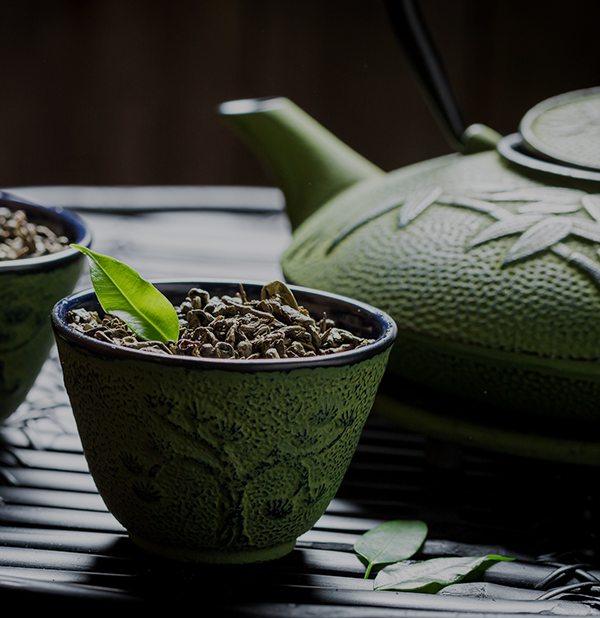
Special Chinese Tea Manufacturers
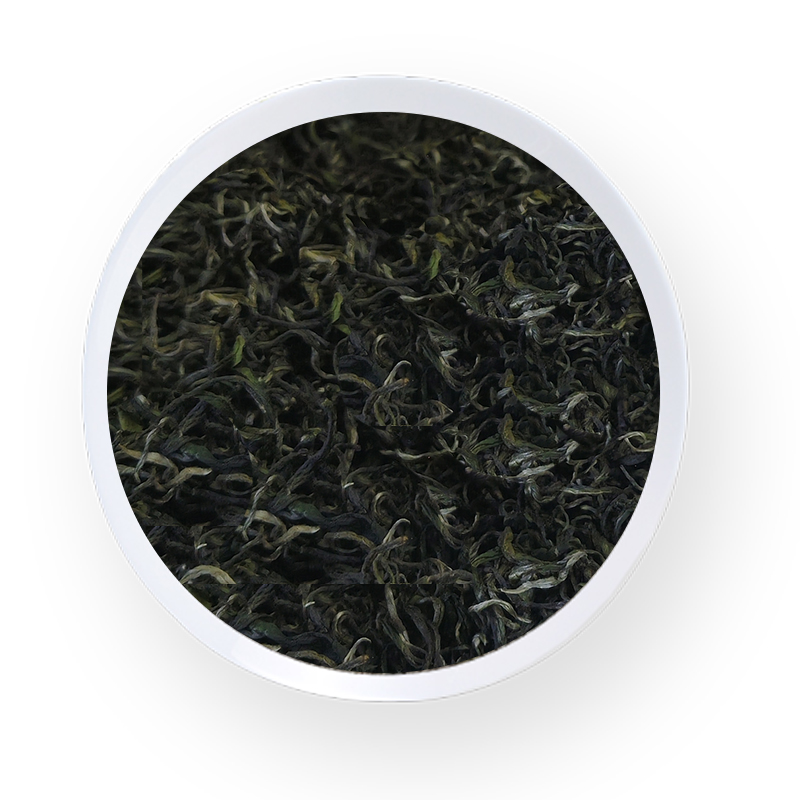
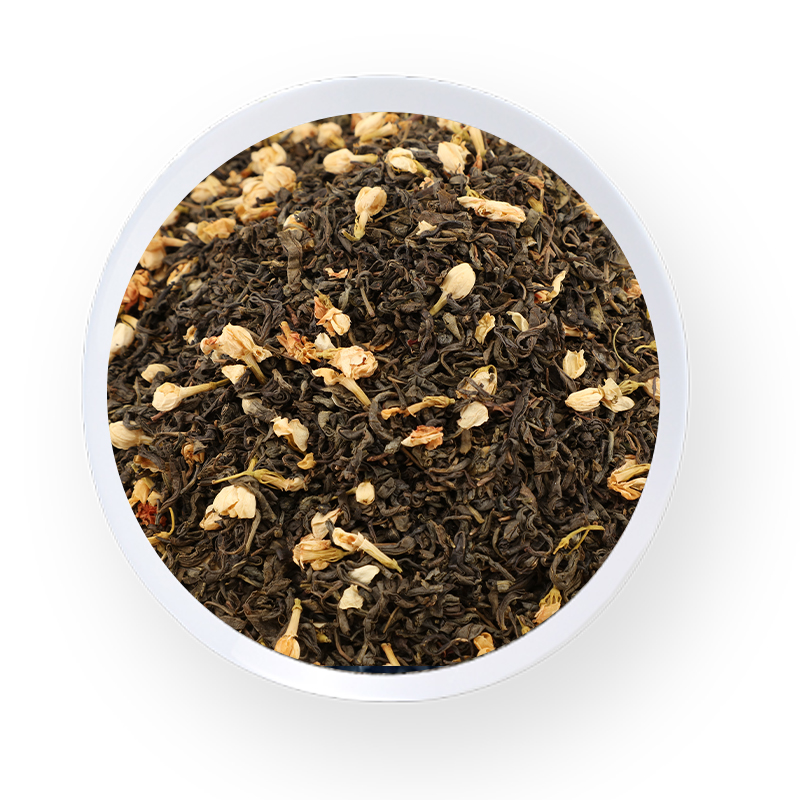
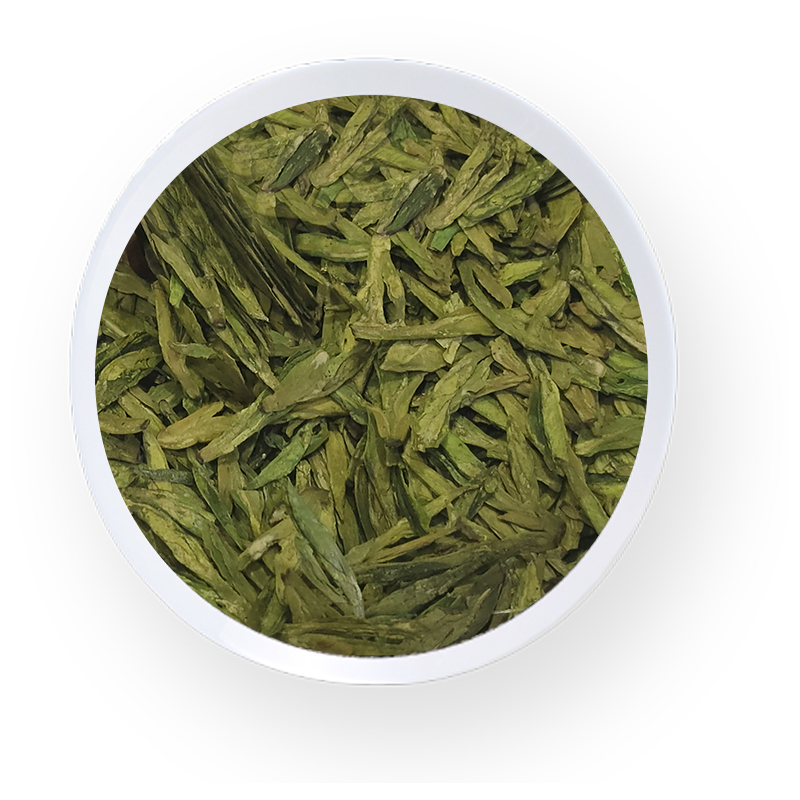
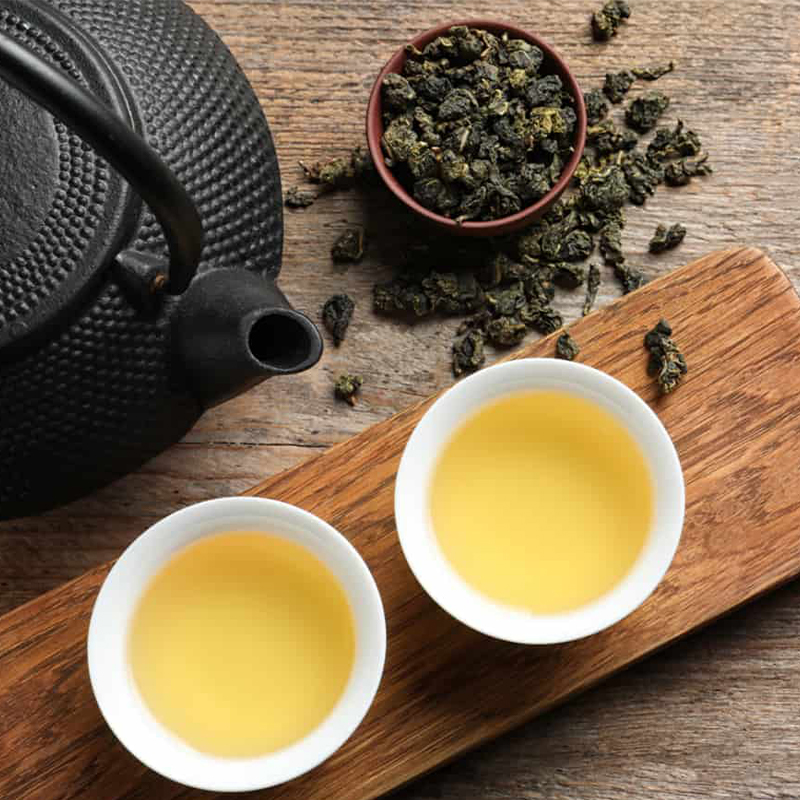
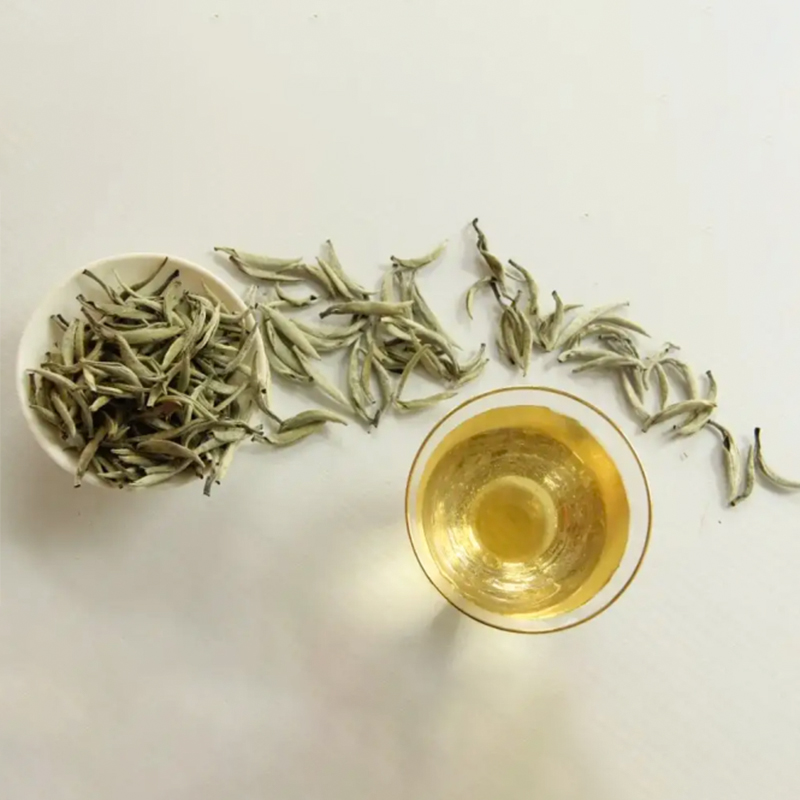
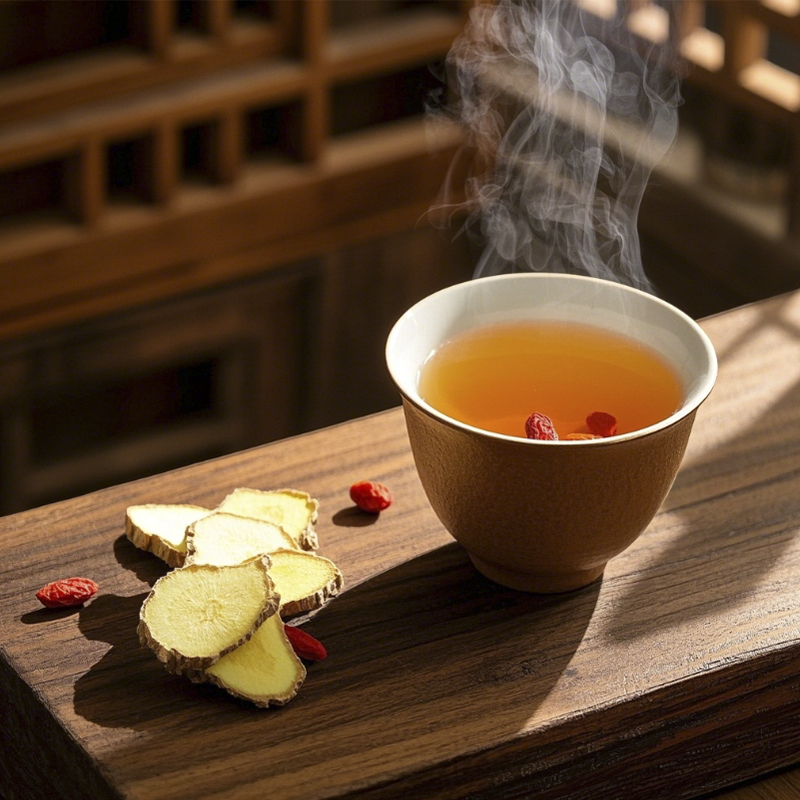
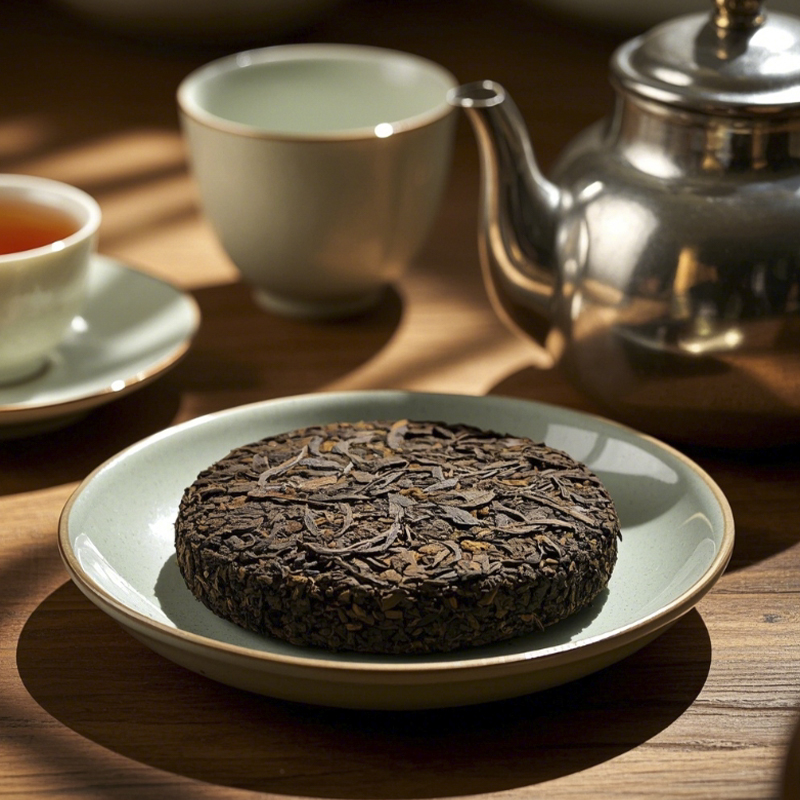
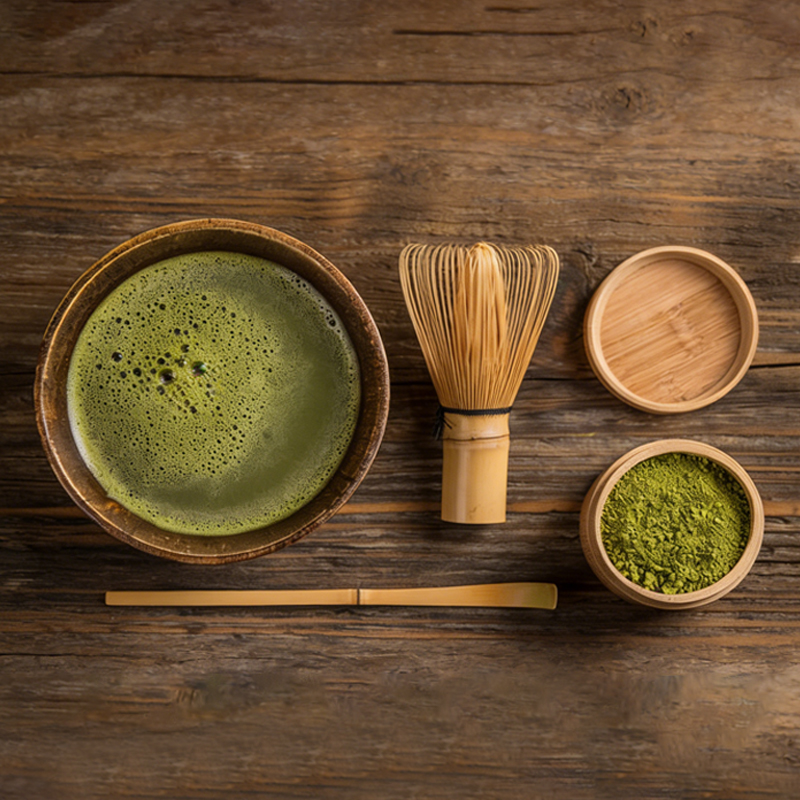
Our Specialty Teas collection offers a diverse range of exceptional teas, each with its own unique flavor and tradition. From the soothing warmth of Ginger Tea to the refined elegance of Longjing (Dragon Well) Tea, the rich complexity of Oolong Tea, the floral aroma of Jasmine Tea, the delicate notes of White Tea, the bold depth of Pu'er Tea, the vibrant freshness of Matcha, and the smooth richness of Mao Feng Tea, these teas are crafted for those who seek extraordinary tea experiences. Savor the Tradition in Every Sip with Hangzhou Baoda Tea Co., Ltd. — Your Premier Source for Specialty Teas
About Us
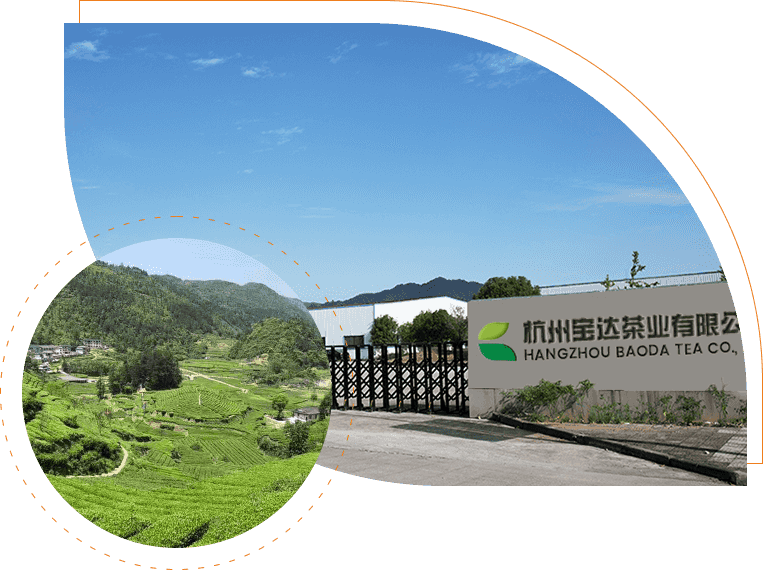
Hangzhou Baoda Tea Co., Ltd.
Hangzhou Baoda Tea Co., Ltd. is a premier tea export enterprise integrating industry and trade. We are China Special Chinese Tea Manufacturers and Custom
Special Tea Leaves Factory, Exporter. Specialized in high-quality Chinese green tea, we supply major markets across Africa (Morocco, Algeria, Senegal) and Europe (France, Spain, Belgium). Our 40,000-square-meter facility in Huangshan, Anhui, features advanced processing machinery and a robust testing system, achieving an annual capacity of 10,000 tons.
Driven by our philosophy, "Survive on Quality, Develop by Integrity," we combine professional expertise with technical excellence. We invite global partners to collaborate with us to create social value, build wealth, and share health and happiness. Let’s join forces for a brilliant future.
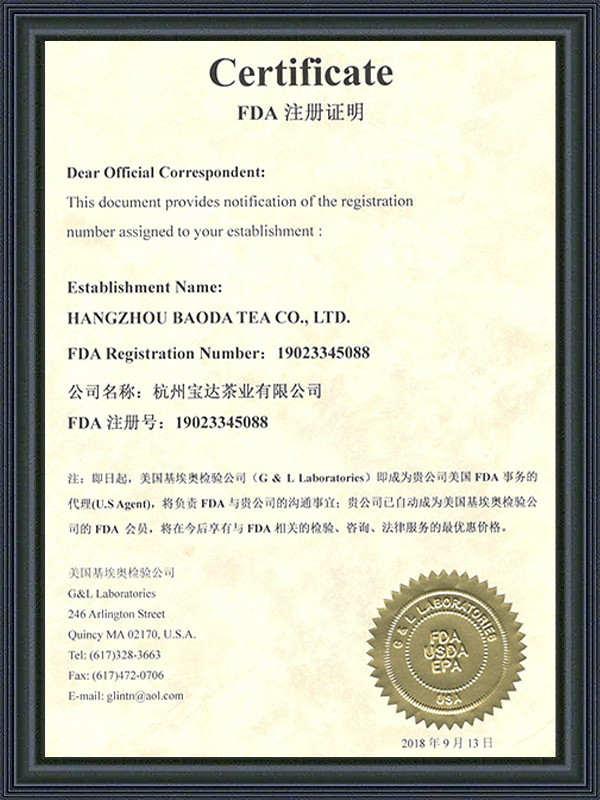
Certificate Of Honour
Message Feedback
Special Tea Industry knowledge
Why is Special Chinese Tea becoming a core choice in the global healthy beverage market?
As global consumers increasingly focus on natural ingredients, low-calorie drinks, and lifestyle upgrades, tea is transforming from a traditional beverage to a modern health solution. In this process, Special Chinese Tea, with its rich product range and consistent quality, is gradually becoming a focus of international market attention.
The Multi-Category System: The Foundation of Chinese Tea Flavor
Special Chinese Teas' competitiveness stems first and foremost from its extremely rich and clearly structured product range. From the crisp and refreshing Longjing and Mao Feng teas to the delicately floral jasmine tea and the more complex aromas of oolong tea, the Chinese green tea system itself constitutes a complete flavor foundation.
Within this system, Hangzhou Baoda Tea Co., Ltd. has long focused on the export and customized production of Chinese green tea. By integrating raw material selection and processing experience, it ensures that different grades of tea can consistently meet international market demands. The company maintains a balance between large-scale production and quality control, enabling the stable output of multiple tea categories under the same standard system.
Meanwhile, white tea, with its natural withering process, exhibits a mellow and delicate taste; Pu-erh tea, through post-fermentation, develops a unique aged aroma; and matcha, in its ultra-fine powder form, expands its applications in food and beverages. These categories collectively constitute a complete system of expression for Chinese tea, from tradition to modernity.
Deep Integration of Production Environment and Processing Experience
The flavor foundation of Chinese tea is inseparable from the support of the production area's ecology. Taking the Jiangnan region as an example, the humid climate and misty environment enrich the tea's internal components, resulting in a fresh and prominent flavor structure. The high altitude and microbial environment of Yunnan provide ideal conditions for the natural transformation of Pu-erh tea.
In this process, Hangzhou Baoda Tea Co., Ltd. relies on its modern production base in Huangshan, Anhui Province, for processing and quality management. This base, covering approximately 40,000 square meters, is equipped with advanced processing equipment and testing systems, enabling the stable reproduction of traditional tea-making experience within a standardized system. This combination of natural production area advantages and modern industrial capabilities is a crucial foundation for Special Chinese Tea's large-scale entry into the international market.
Global Market Demand Drives Product Structure Upgrades
In recent years, tea consumption has been expanding beyond its primary function of consumption to include health management and lifestyle. In European markets such as France, Spain, and Belgium, consumers are increasingly focused on the antioxidant properties and low caffeine content of tea, leading to continued growth in demand for green tea, white tea, and matcha.
In African markets such as Morocco, Algeria, and Senegal, tea serves more as a daily beverage and a social and cultural activity, with green tea and jasmine tea having a stable consumer base. Hangzhou Baoda Tea Co., Ltd. addresses the diverse consumption habits of different regions by offering flexible specification adjustments and customized packaging solutions, enabling products to better adapt to local market structures and thus enhancing long-term cooperation stability.
The Diversity of Processing Methods Expands Application Scenarios
Another significant advantage of Chinese tea lies in its highly scalable application scenarios. Longjing and Maofeng teas emphasize a light and refreshing aroma, suitable for daily consumption; jasmine tea, through its scenting process, develops a unique floral fragrance, suitable for social and leisure settings; and oolong tea, with its complex aroma structure, has become a leading representative of high-end tea beverages.
White tea, with its minimalist processing, retains more natural components and has gained attention in the light health market. Pu-erh tea, due to its properties of transformation over time, possesses both collectible and connoisseur value. Matcha, breaking through traditional drinking methods, is widely used in baking, iced drinks, and health foods, expanding tea from a single beverage to a cross-industry ingredient.
In this process, the company continuously optimizes its processing techniques and quality control systems to ensure consistent stability across different tea varieties under export standards, providing a reliable supply to global customers.
How does a quality system support long-term international cooperation?
In global tea trade, stability and consistency are often more important than single-batch quality. From raw material harvesting to processing, packaging, and export, every step affects the final flavor.
Hangzhou Baoda Tea Co., Ltd. always prioritizes quality as its foundation and integrity as its development principle. Through a systematic production process and multi-layered testing mechanisms, it ensures that every batch of tea meets stringent standards before entering the international market. With an annual production capacity of 10,000 tons, the company guarantees supply capacity and provides reliable support for long-term order cooperation.
This model, centered on scalable capabilities and a robust quality system, enables companies to maintain stable delivery capabilities amidst global market fluctuations, thereby building long-term trust relationships.
From Traditional Culture to Modern Health Consumption: A Transformation
With the popularization of healthy beverage concepts, tea is transforming from a cultural symbol into a functional consumer product. Matcha, due to its high utilization rate and nutritional advantages, is widely used in the health food sector; white tea, with its mild properties, is suitable for daily light consumption; Pu-erh tea, through its unique flavor derived from its fermentation mechanism, forms a differentiated competitive advantage; and functional tea drinks such as ginger tea are also experiencing rapid growth.
This transformation is driving the entire industry from product competition to systemic competition, and companies with complete industrial chains and export experience will occupy a more important position.
FAQ: Why is Special Chinese Tea growing rapidly in the international market?
Because of its rich variety, distinct flavor differences, and health attributes, it can adapt to the consumption structures and drinking habits of different countries.
What are the main differences between Longjing, Mao Feng, and Oolong tea?
Longjing and Mao Feng teas are based on green tea processing techniques, emphasizing a light aroma and freshness, while oolong tea, being a semi-fermented tea, boasts a more complex aroma and a richer flavor.
Why is matcha becoming increasingly widely used?
Matcha is a type of green tea powder that can be eaten directly, with high nutritional utilization. It can be used in beverages, desserts, and health foods.
How do companies ensure consistent quality in exported tea?
Through large-scale production bases, standardized processing procedures, and a multi-stage testing system, they achieve end-to-end quality control from raw materials to finished products.
 We sincerely welcome customers from all over the world to visit us and seek common
development and create brilliant future.
We sincerely welcome customers from all over the world to visit us and seek common
development and create brilliant future.
Contact BAODA
 Our Phone
+86-15386682887
+86-13857173531
 E-mail
[email protected]
[email protected]
[email protected]
 Our Address
Room 1601, Building 2, New Town Times Square, 189 Fengqi East Road, Hangzhou, Zhejiang Province, China.
Inquiry Us Now
Copyright © Hangzhou Baoda Tea Co., Ltd. All Rights Reserved
Custom Special Chinese Tea Manufacturers, Factory
