

 English
 Français
Chunmee 41022 Diamond: Key Specifications for Bulk Industrial Applications
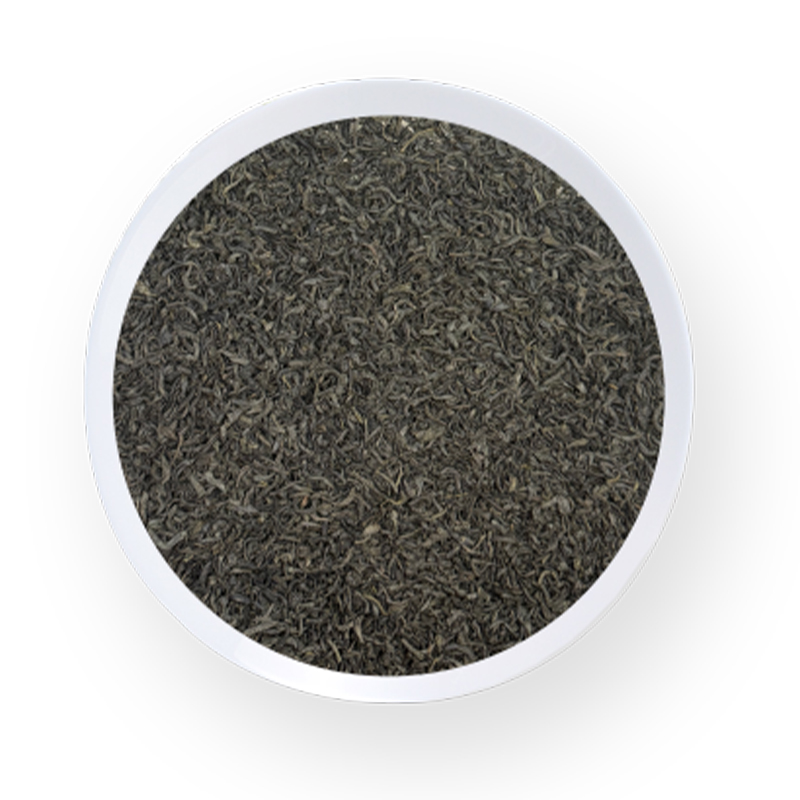
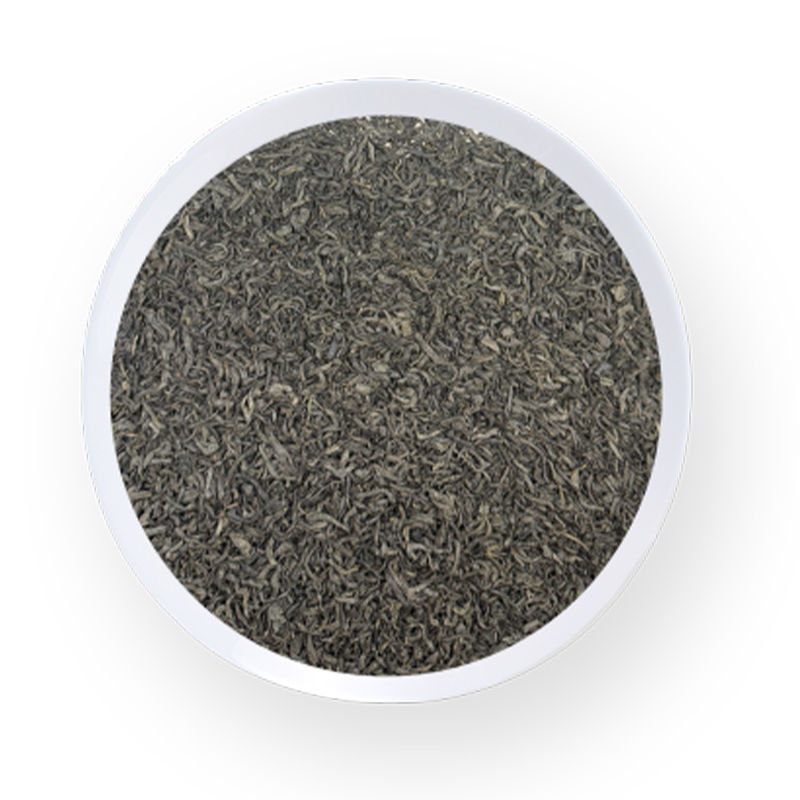
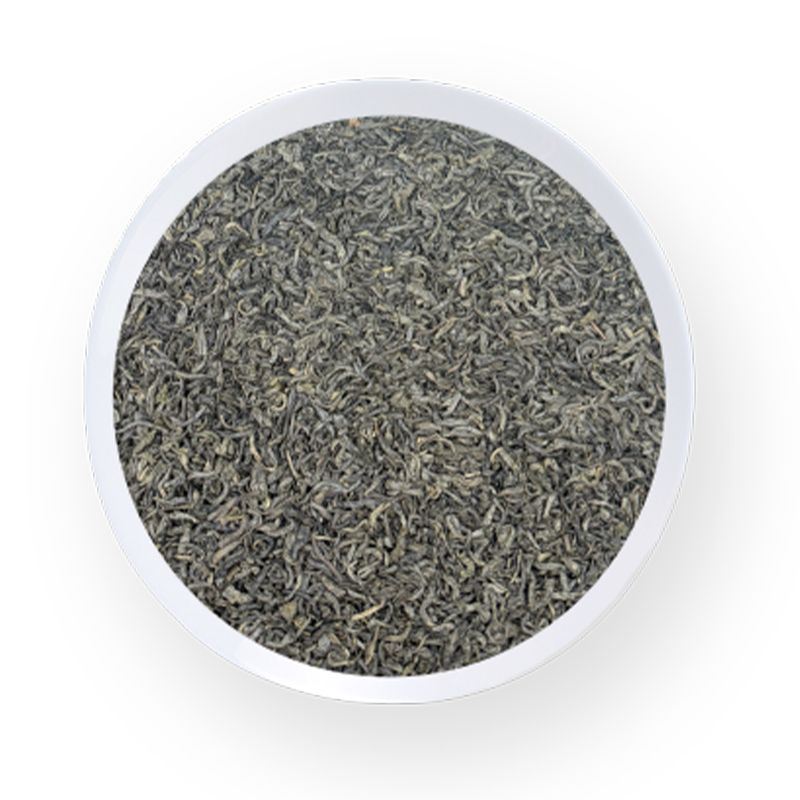
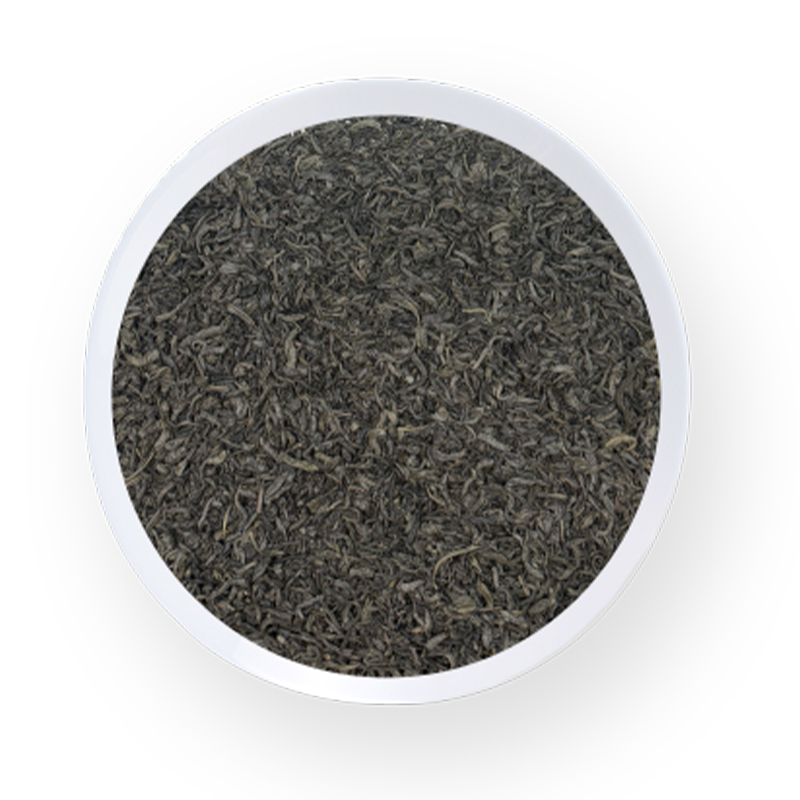
Chunmee 41022 Diamond is the top commercial grade in the export roasted green tea family known as Chunmee, defined by a tight leaf twist, a uniform dark-green surface, a broken-leaf tolerance of 4 percent or less, and a moisture ceiling of 7.0 percent at loading. Those four numbers determine how well the leaf runs through automatic bagging lines, how clear the cup looks after brewing, and how safely the lot survives a 20-day ocean transit. Hangzhou Baoda Tea Co., Ltd. supplies this grade in container volumes from its 12,000 square meter processing plant in Huangshan, Anhui, to buyers across North Africa and Western Europe.
What Exactly Is Chunmee 41022 Diamond?
Chunmee 41022 Diamond is a contract premium grade inside the Chinese export Chunmee 41022 series, positioned above the six A-graded bands by a stricter leaf-twist standard, a smaller broken-leaf tolerance, and the most uniform dark-green surface color from the same production line.
The code 41022 belongs to the traditional Chinese export tea numbering system. Chunmee, written zhenmei in Chinese, means "precious eyebrow" and describes the thin, curved leaf produced by rolled roasting, while the 41022 profile fixes a defined leaf-size range for bulk commodity lots. Diamond is not an origin or a cultivar: it is a quality band assigned to lots that pass the firmest internal sieve and visual checks.
In the Baoda export list, the 41022 series runs from AAA up to eight A before Diamond. Each band comes off the same firing, sieving, and sorting line; the difference is the strictness of the selection pass, not a different cultivar or harvest window. Diamond lots receive extra sorting passes to remove yellow stems, pale leaves, and broken tips that would pass inside a standard A-band lot.
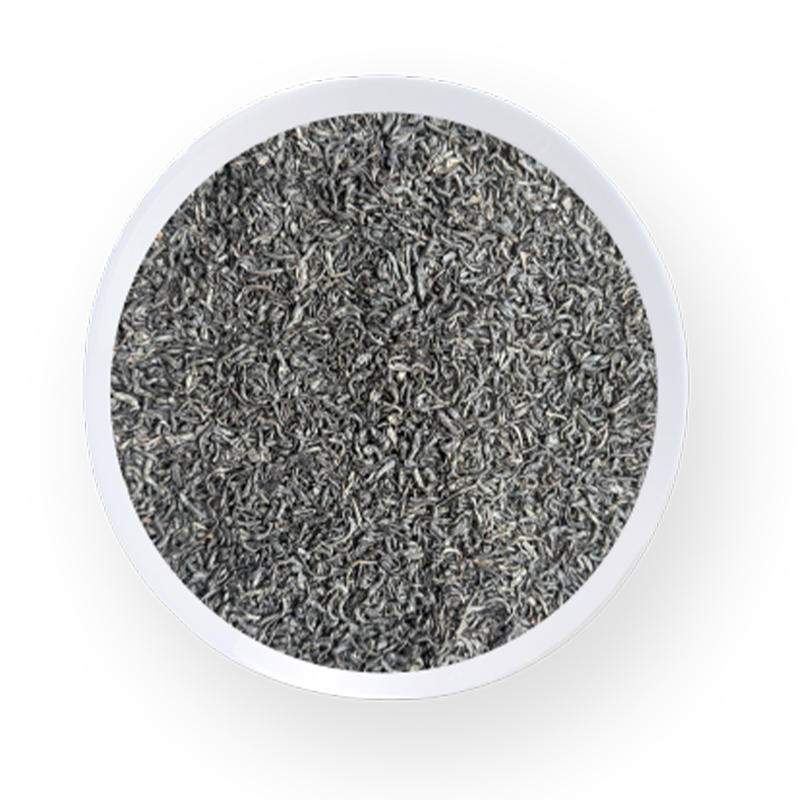 Chunmee 41022 Diamond Premium Green Tea for ExportThis top-tier 41022 grade undergoes extra sorting passes to remove stems and broken tips, ensuring the strict broken-leaf tolerance and moisture specs that export contracts verify before loading.View Product →
Key Specifications and Contract Tolerances
Export contracts for Chunmee 41022 Diamond typically fix moisture at 7.0 percent maximum, total ash below 7.5 percent, water extract at or above 34 percent, and broken-leaf tolerance at 4 percent or less, each verified on a representative sample before loading.
These limits follow the test methods of the Chinese national GB/T 14456 green tea standard series. The sieve and broken-leaf thresholds are commercial terms that belong in the sales contract, and a reliable shipment file pairs the contract with a certificate of analysis carrying lot number, sieve results, moisture, and residue report.
| Parameter | Contract value | Test method |
| Moisture content | ≤ 7.0% | Oven method, 103°C for 4 hours (GB/T 8304-2013) |
| Total ash | ≤ 7.5% | Dry ashing at 525°C (GB/T 8306-2013) |
| Water extract | ≥ 34% | Boiling water extraction (GB/T 8305-2013) |
| Broken-leaf tolerance | ≤ 4% | 41022 sieve profile, dry-weight fraction |
| Surface color | Dark green, grayish bloom | Visual grading under natural light |
| Aroma | Clean, roasted-sweet | Cupping: 3 g, 150 ml, 5 minutes |
Why Diamond Grade Matters in Industrial Purchasing
Diamond grade changes the buyer's cost calculation at the packing station: a tighter twist and a 4 percent broken-leaf ceiling mean fewer fines in automatic bagging machines, cleaner heat-seal jaws, and a more uniform leaf ribbon in every weighed portion.
Automatic vertical form-fill-seal machines run at high rates, and tea dust is their main cause of seal rejects. When the broken-leaf share climbs above roughly 6 percent, fines settle on sealing jaws and the weighing cup, forcing periodic stops. Diamond stays below that trouble point while still delivering the bold, roasted-sweet cup that North African mint tea and European private-label blends expect.
Chunmee 41022 Diamond
- Tight twist, very low fines
- Broken-leaf tolerance up to 4%
- Uniform 41022 sieve profile
- Additional sorting passes at origin
- Best fit for branded retail and premium mint tea
Chunmee 41022 AAA
- Loose to medium twist
- Broken-leaf tolerance commonly up to 12%
- Wider color variation within a lot
- Single standard sieving pass
- Best fit for price-led commodity blending
Both grades have a place in a blending house: AAA keeps the blend cost down, while Diamond lifts the appearance of a premium private-label bag. In the mint-tea corridor through Morocco and Algeria, the leaf must survive repeated boiling-water pours without disintegrating; a 4 percent broken-leaf ceiling keeps the infusion clear and the pot clean.
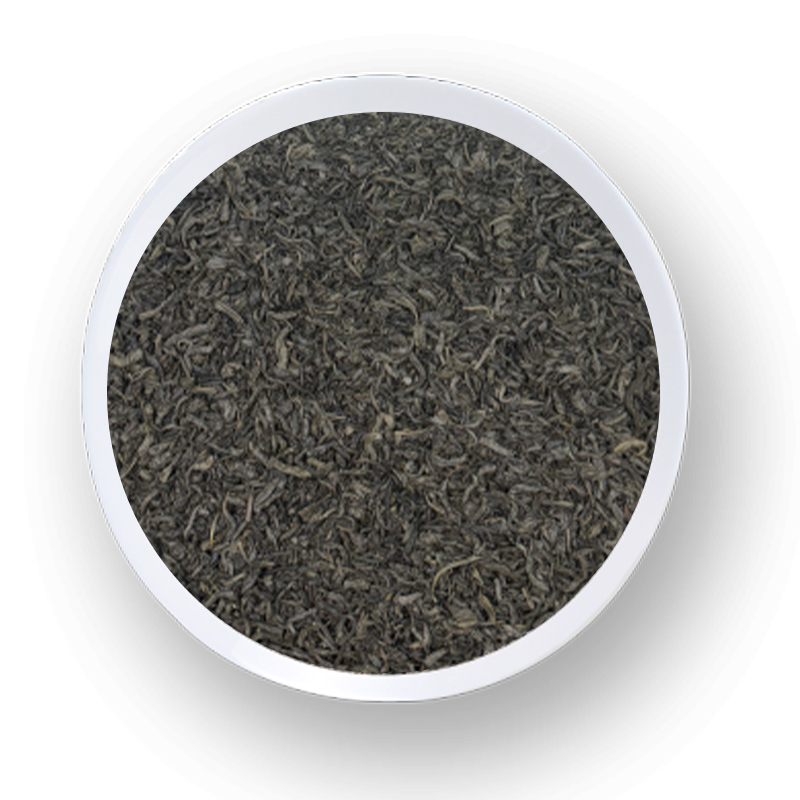 Chunmee 41022 AAA Budget Green Tea for BlendingA cost-effective grade with thick strips and a dark liquor, ideal for blending or industrial use. Its controlled particle size and low stem content suit automated packing lines and mint-tea blends.View Product →
Sourcing, Capacity, and Quality Control
The fastest way to predict grade consistency is to inspect the supplier's factory scale, because only a manufacturer that controls firing, sieving, and sorting on its own floor can keep Chunmee 41022 Diamond uniform across containers and seasons.
Baoda pairs a Hangzhou export office with a 40,000 square meter factory complex in Huangshan, Anhui, of which 12,000 square meters is covered workshop. Reported annual capacity reaches 10,000 metric tons of green tea, enough to hold a consistent Diamond definition across multiple container contracts per season.
The quality-control sequence that protects the grade
- Incoming leaf inspection: moisture and color screening before firing.
- Firing and final drying: moisture brought to 7.0 percent or below with even heat.
- Sieving: the 41022 profile with separate passes for whole leaf and fines.
- Optical color sorting: removal of yellow-stem and red-spot leaf.
- Packing-line safety: magnets and metal detection on every filling head.
- Documentation: certificate of analysis with lot number, moisture, ash, and sieve data.
The Grade Ladder in Numbers
The spread from AAA to Diamond in the Chunmee 41022 series is a quality band, not a chemical difference: the measurable attributes that move between rungs are broken-leaf tolerance, twist uniformity, and color consistency.
Broken-leaf tolerance is the easiest number to verify at a warehouse and the one most often written into pre-shipment checklists. The chart below shows typical maximum tolerances discussed in export trade for the 41022 ladder; exact values sit in the contract, which is why the inspection report must quote the contract value.
Typical maximum broken-leaf tolerance by grade, expressed as a share of dry weight. Values are contract reference points, not statutory limits.
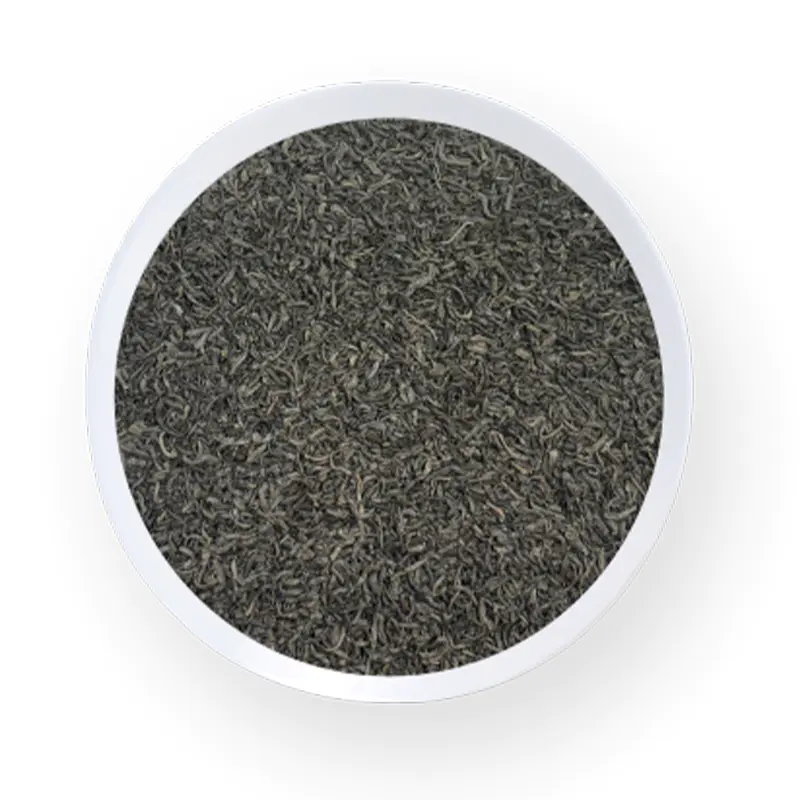 Chunmee 41022 AAAAAAAA Premium Export Green TeaSitting just below Diamond, this 8A grade offers balanced quality and value. Its elongated twisted leaves and clear amber liquor make it a reliable choice for tea bags and private-label retail blends.View Product →
A Buyer's Evaluation Checklist
With a 500 gram representative sample, a 41022 sieve set, and a 100°C water bath, an importer can verify the decisive attributes of a Chunmee 41022 Diamond offer in under one hour.
- Take the sample from the head, middle, and tail of the lot; never judge a container from a single bag.
- Run the sieve test on 100 grams with 60 seconds of circular shaking; record whole-leaf retention and fines.
- Cup 3 grams with 150 milliliters of boiling water for 5 minutes; a Diamond lot should show a bright, clear liquor and a clean roasted-sweet aroma.
- Check the certificate of analysis moisture against a fast moisture meter; send any reading above 7.0 percent to a laboratory before loading.
- Review the residue report against the destination's MRL list and confirm lot marking in the booking note.
Packaging, Container Loading, and Lead Time
Standard export packing for Chunmee 41022 Diamond is a food-grade multi-wall kraft paper bag with a polyethylene inner liner at 25 kilograms net weight, giving a 20-foot container load of roughly 12 to 13 metric tons and a production lead time of 7 to 15 days after sample approval.
| Pack unit | Net weight | Typical channel |
| Multi-wall kraft + PE liner | 25 kg | Bulk loose-leaf, blending lines |
| Laminated foil bags | 5 kg | Private-label packers and re-packers |
| Vacuum brick pack | 10 kg | Premium retail channels, long shelf life |
Moisture at loading is the dominant ocean-transit risk. A container moving to Casablanca, Algiers, or Le Havre typically spends 15 to 20 days at sea; a lot loaded at or below 7.0 percent holds its green color and clean aroma, while a marginal lot at 7.5 percent or above can develop caking and a dull character in the same journey.
Common Buyer Questions Answered
The four questions below account for most B2B inquiries we receive about the Diamond grade.
How is Chunmee 41022 Diamond different from Chunmee 41022 AAAAAAAA?
Both grades share the same 41022 leaf-size profile. The differences sit in the contract: Diamond typically tightens the broken-leaf tolerance from about 5 percent to 3.5 to 4 percent, demands a more uniform twist and darker green surface, and runs as a separate line so lots stay segregated. In the cup, Diamond yields a clearer, less cloudy infusion because fine particles are removed more aggressively.
What moisture level is safe for a shipping container?
Seven percent or less, measured by the oven method at 103°C, is the safe ceiling. Above 7.5 percent, the risk of caking, off-aroma development, and leaf discoloration rises sharply on a 15 to 20 day voyage, and experienced buyers reject any lot above 7.5 percent at pre-shipment inspection.
Can the factory pack private-label or custom specifications?
Yes. Because Baoda runs its own processing line in Huangshan, it can re-sieve, re-fire, and blend to a buyer's written specification and pack in 25, 10, or 5 kilogram units with a private label. Custom packing requires at least a full pallet per pack unit, with container orders preferred for dedicated line time.
Which documents accompany a Diamond shipment?
A complete file includes the commercial invoice, packing list, bill of lading, phytosanitary certificate, certificate of analysis with moisture, ash, water extract, and sieve results, plus pesticide residue results aligned with Regulation (EC) No 396/2005 for EU destinations.
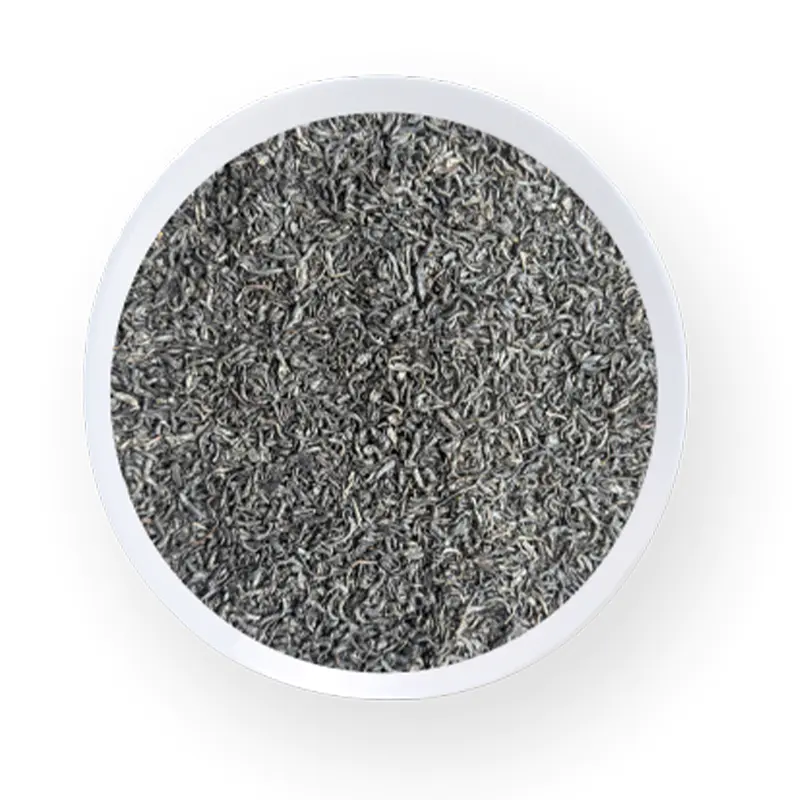
 We sincerely welcome customers from all over the world to visit us and seek common
development and create brilliant future.
Contact BAODA
 Our Phone
+86-15386682887
+86-13857173531
 E-mail
[email protected]
[email protected]
[email protected]
 Our Address
Room 1601, Building 2, New Town Times Square, 189 Fengqi East Road, Hangzhou, Zhejiang Province, China.
Inquiry Us Now
Copyright © Hangzhou Baoda Tea Co., Ltd. All Rights Reserved
Wholesale China Premium Green Tea Company
