

 English
 Français
Chinese White Tea: Applications in Premium Tea Products
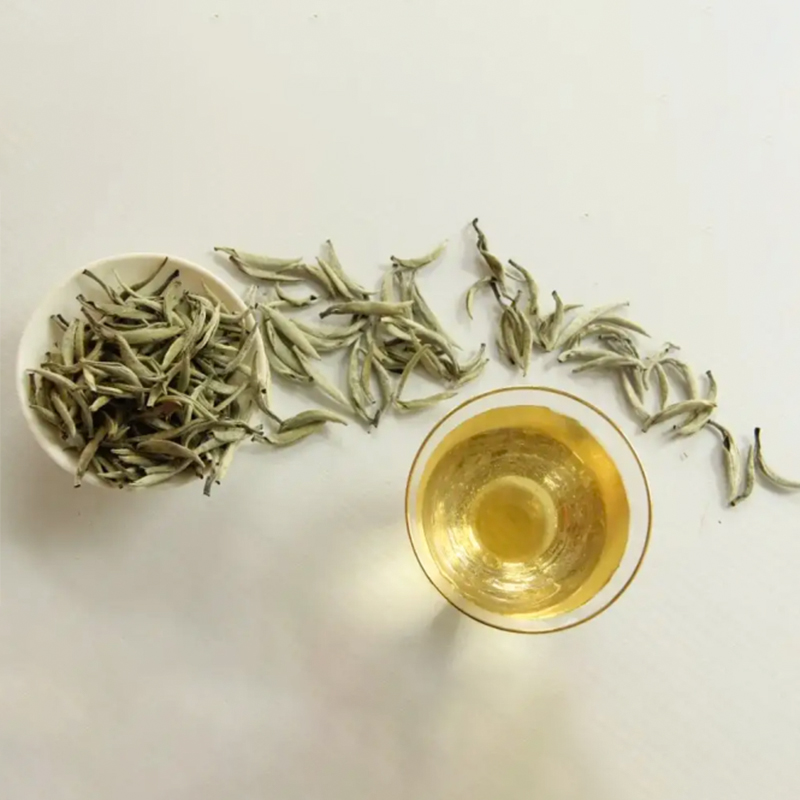
Chinese White Tea is processed with only withering and drying, no rolling or high-temperature fixing, which is why it keeps a lighter, more natural aroma and flavor than most other Chinese tea categories. That minimal processing also means raw material grade, bud-to-leaf ratio, and growing region matter more for Chinese White Tea sourcing than they do for teas where heavier processing can mask material inconsistencies.
Chinese White Tea is defined by what is left out of processing, not added to it — withering and drying preserve the leaf's own character rather than transforming it.
What Makes Chinese White Tea Suitable for Premium Products
Three characteristics drive its use across premium tea and beverage lines. The aroma and flavor are delicate, mild, and naturally sweet, shaped heavily by variety, origin, and harvest standard. Processing stays limited to withering and drying, so the raw material's own quality carries more of the final result. And raw material comes in distinct forms — buds, young leaves, or whole-leaf tea — each suited to a different commercial product tier.
Delicate, mild, naturally sweet, smooth — shaped by variety, origin, and harvest timing.
Withering and drying only, so raw material quality drives most of the outcome.
Buds, young leaves, or whole-leaf forms, each fitting a different product tier.
Grade and leaf form map directly to price point and target product category.
Applications in Premium Tea Products
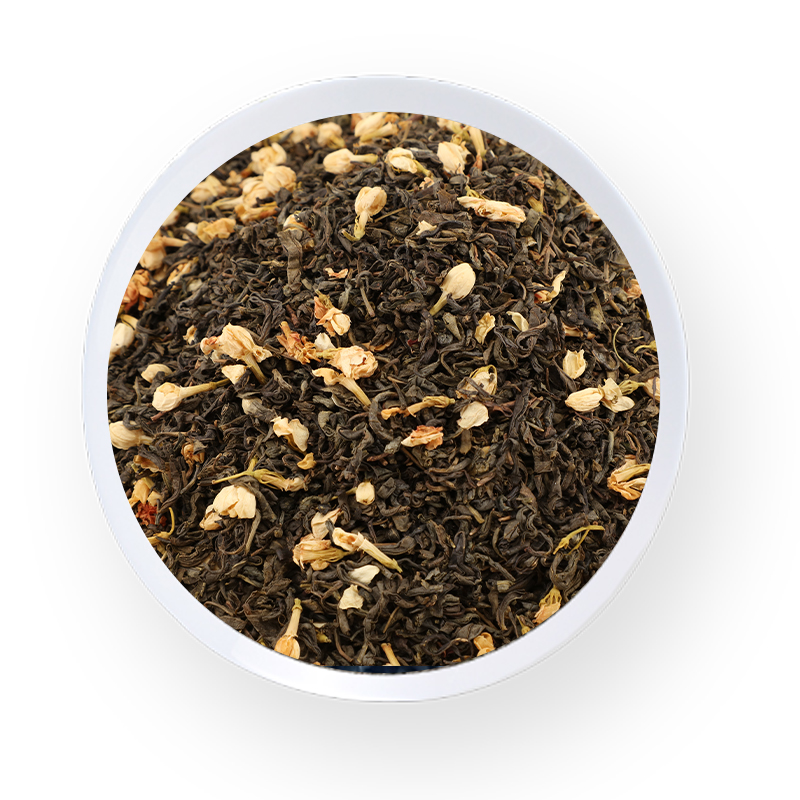
In loose leaf and specialty tea, leaf form, color, aroma, and wholeness are the priority — this is where higher grades and whole-leaf material go. Tea bag formats need different specifications: leaf size, aroma release, brewing consistency, and batch-to-batch uniformity matter more than visual leaf integrity. Gift sets and seasonal collections lean on presentation-grade material for premium boxes and corporate gifting, while specialty blends pair white tea with other tea types or botanicals, with the exact formulation set by target flavor and positioning.
Grade Requirement Intensity by Product Application
Relative importance of raw material grade and appearance across common commercial applications.
Applications in Beverage Manufacturing
Ready-to-drink bottled and canned tea depends on flavor stability, brewing strength, resulting color, and compatibility with industrial processing rather than leaf appearance. Tea-based functional beverages use white tea as a base ingredient for further product development, without relying on unverified health claims. Cold brew products place extra weight on aroma retention and extraction characteristics at lower temperatures, while premium beverage formulations lean on white tea's natural character and delicate aroma to support a higher price position.
Key Quality Factors for Commercial Sourcing
| Factor | What It Affects |
| Variety and growing region | Aroma, flavor, leaf appearance, positioning |
| Harvesting standard | Bud-to-leaf ratio, maturity, uniformity |
| Withering and drying process | Moisture, aroma, flavor, appearance |
| Moisture and storage | Shelf stability, long-term quality |
| Leaf appearance and grade | Color, integrity, size consistency |
White Tea Suitability Across Four Product Priorities
Relative strength profile of well-sourced Chinese White Tea across the five priorities buyers weigh most.
Choosing the Right White Tea and Supplier
Start by defining the end product — loose leaf, tea bags, gift sets, RTD beverages, or blends — since each pulls a different grade and raw material form. From there, evaluate aroma, taste, and brewing performance through direct sampling, confirm moisture content and storage conditions, and check that batch consistency and available volume match order requirements.
A reliable supplier should provide origin and harvest traceability, documented processing and moisture control, sample-to-batch consistency, and export-ready bulk packaging. Buyers who judge Chinese White Tea on appearance alone, or by price without checking grade and processing consistency, are the ones most likely to receive material that does not perform in their intended product.
Frequently Asked Questions
What makes Chinese White Tea different from other Chinese tea types?
It uses minimal processing — only withering and drying, without rolling or high-temperature fixing — which preserves a lighter, more natural aroma and flavor.
Which white tea grade is best for tea bags versus loose leaf?
Loose leaf and gift products typically need higher grades with intact leaf appearance, while tea bags prioritize consistent leaf size and brewing performance over visual wholeness.
Can Chinese White Tea be used in ready-to-drink beverages?
Yes. RTD applications prioritize flavor stability, brewing strength, resulting color, and processing compatibility over raw leaf appearance.
What is the most overlooked factor when sourcing white tea in bulk?
Moisture content and storage conditions are frequently overlooked, even though they directly affect long-term flavor and aroma stability during shipping and storage.
 We sincerely welcome customers from all over the world to visit us and seek common
development and create brilliant future.
Contact BAODA
 Our Phone
+86-15386682887
+86-13857173531
 E-mail
[email protected]
[email protected]
[email protected]
 Our Address
Room 1601, Building 2, New Town Times Square, 189 Fengqi East Road, Hangzhou, Zhejiang Province, China.
Inquiry Us Now
Copyright © Hangzhou Baoda Tea Co., Ltd. All Rights Reserved
Wholesale China Premium Green Tea Company
