

 English
 Français
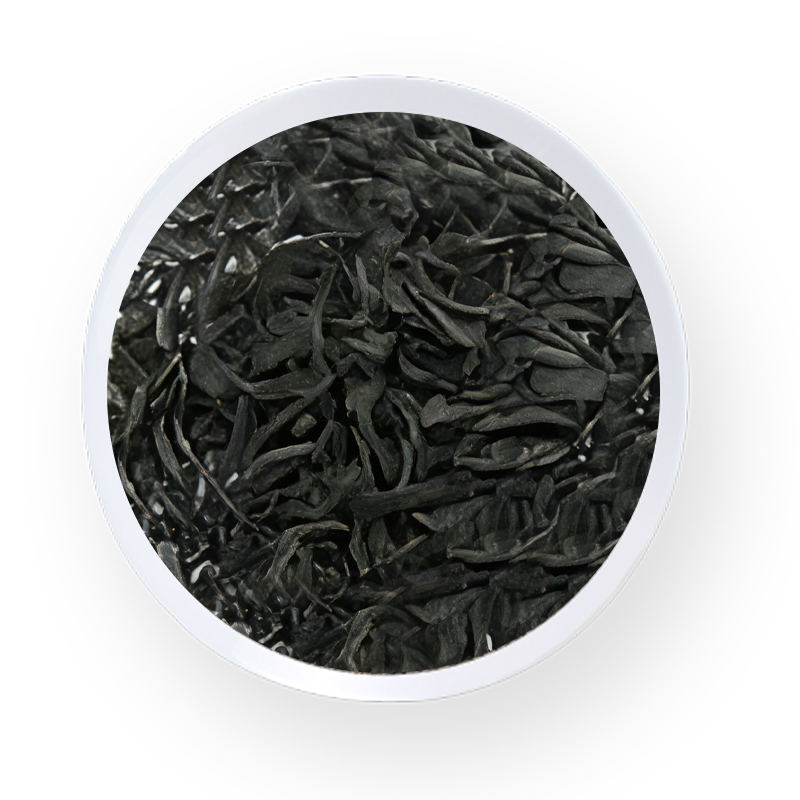
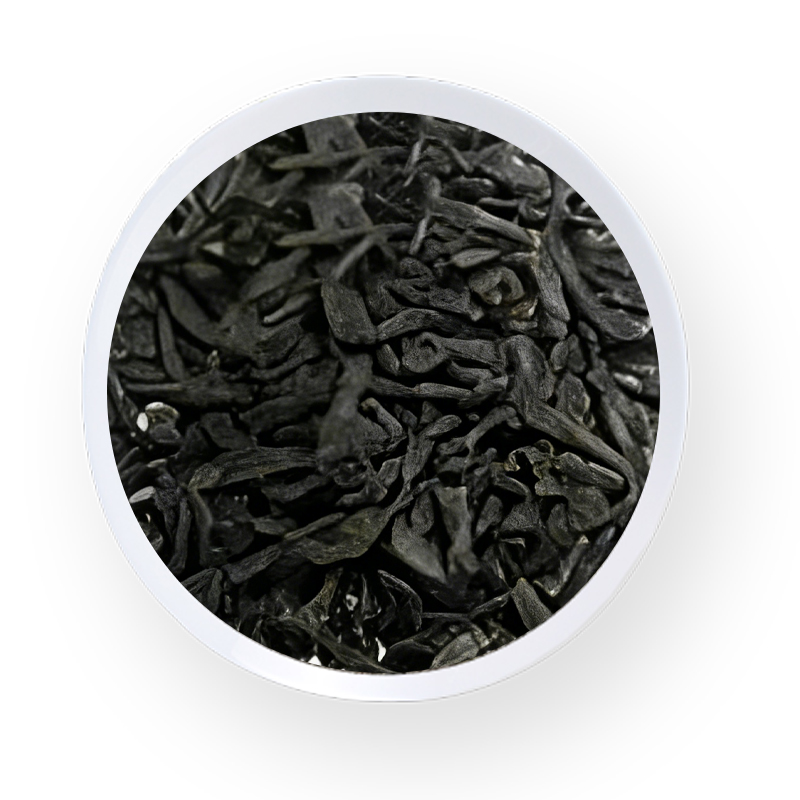
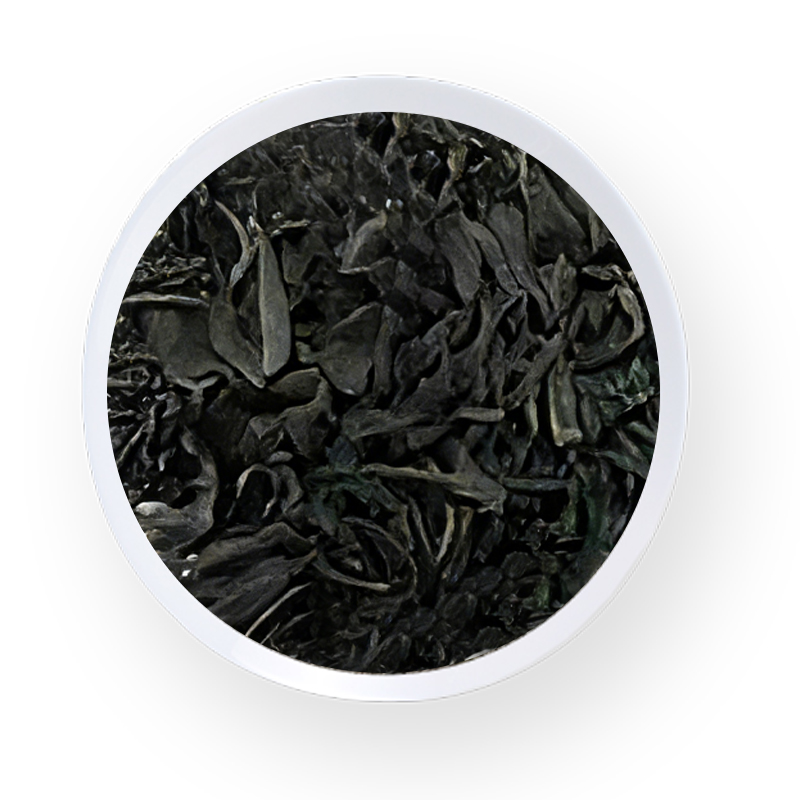
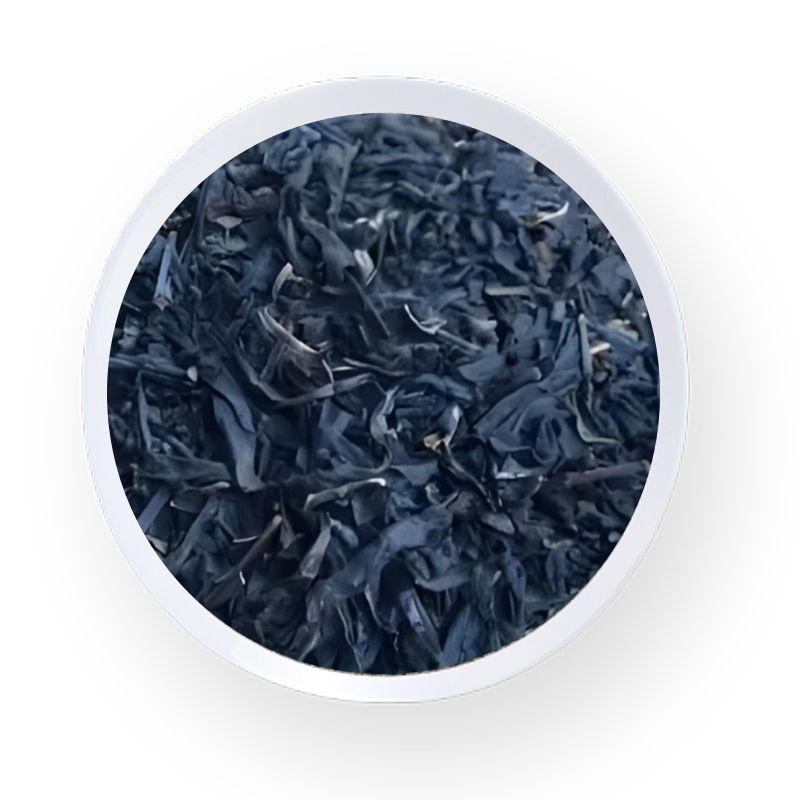
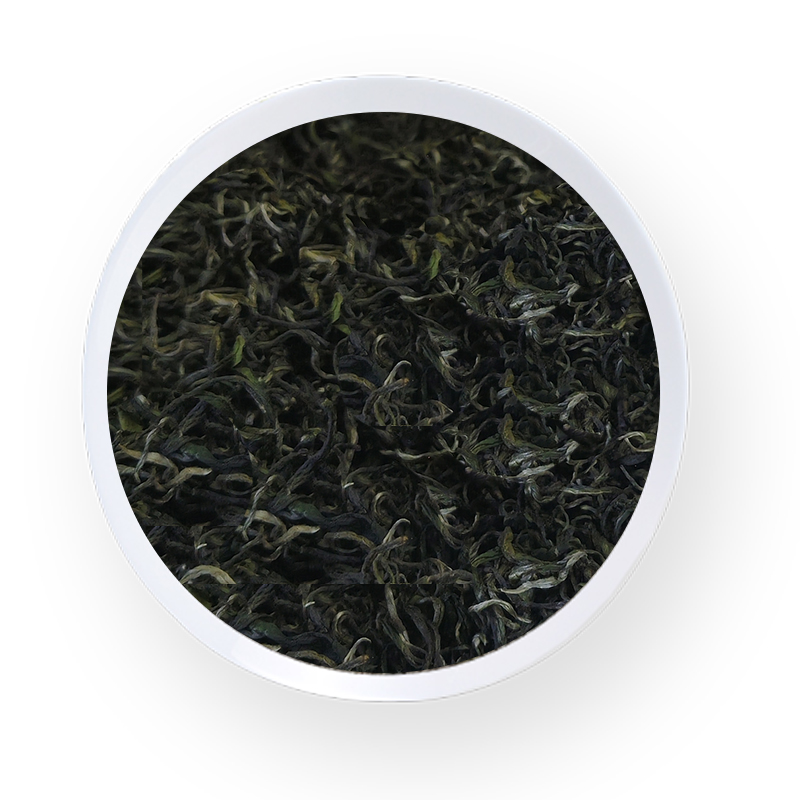
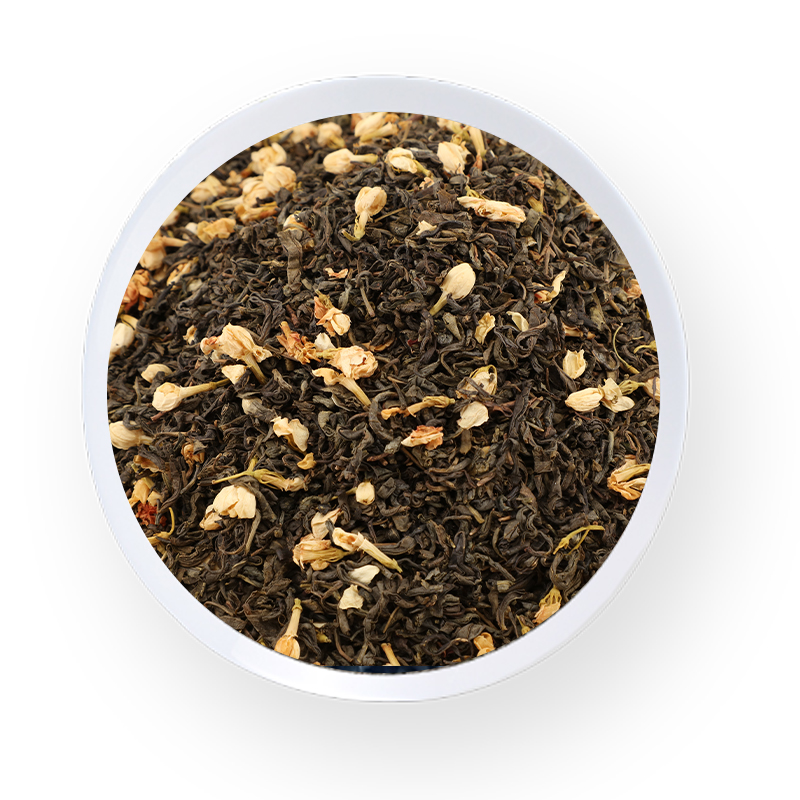
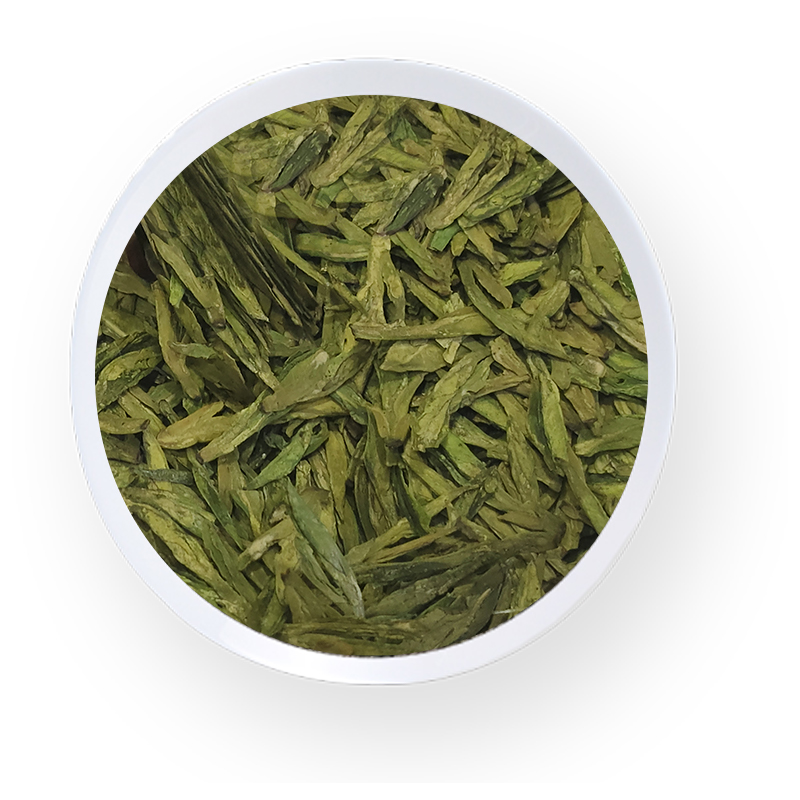
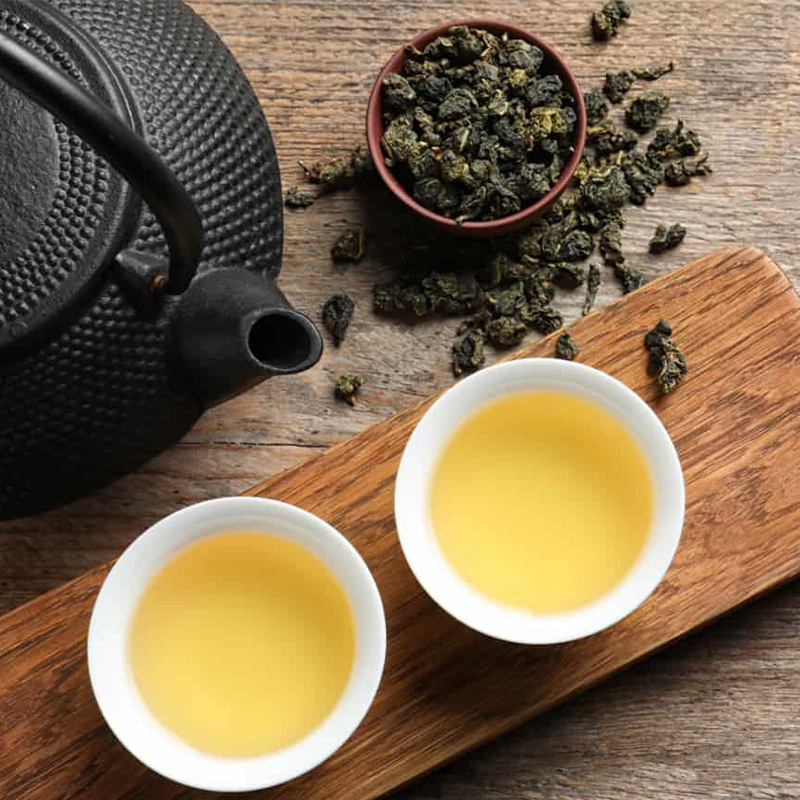
Chinese Green Tea Leaf Grades
Whole Leaf, Broken Leaf and Dust Grade Supply for Tea Bag, Blending and Extraction Programs
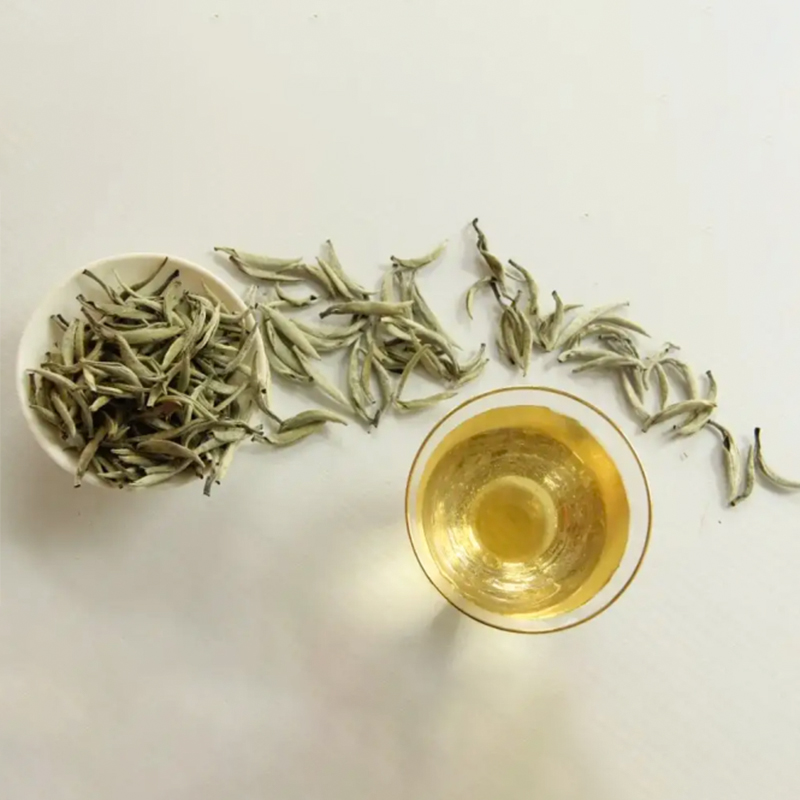
Chinese green tea leaf grades are the particle classifications produced after primary processing and sieve grading. The same green tea material is separated into whole leaf, broken leaf, and dust fractions, each with a different particle size range, extraction speed, and filling behavior. Whole leaf grades suit loose tea and premium tea bag programs, broken leaf grades suit standard tea bag filling and blend production, and dust grades suit extraction lines and powder blending. Grade selection is normally matched to the filling equipment, extraction system, target liquor strength, and packaging format. Particle limits, moisture level, and packaging terms are confirmed per project.
Grade Overview
Grade Comparison
Core Advantages
Single material source across grades
All three grades come from the same green tea processing route and leaf material. Buyers sourcing multiple grades from one program can keep the base flavor and color consistent across product lines.
Grade selection matched to equipment
Particle range is set by sieve selection, so the grade can be matched to the tea bag machine, extraction line, or blending system in use, reducing filling weight variation and extraction inconsistency.
Cost structure spread across grades
Higher grades carry a different cost position from broken leaf and dust fractions. Buyers can allocate grade by product tier and application without changing the underlying tea source.
Consistent sieve and moisture control
Sieve limits and moisture level are controlled per grade against order requirements, supporting batch consistency for repeat orders and long-term blend production.
Product Features
Applications
Retail loose tea and pyramid bags
Whole leaf grades suit products where visible leaf appearance and slower infusion are part of the product positioning.
Standard tea bag production
Broken leaf grades suit high-speed tea bag filling where stable flow and rapid infusion are required.
Botanical blend programs
Grade is selected to match the particle size of mint, lemon, or herbal components to reduce blend separation.
Extraction and instant tea
Dust and fine broken leaf grades suit extraction lines requiring fast and complete release of color and flavor.
Multi-tier brand portfolios
Buyers can allocate different grades across product tiers while sourcing from a single tea material base.
Manufacturing & Supply Capabilities
Grade production covers primary green tea processing and sieve separation after drying. Upper and lower sieve limits, fine particle ratio, and moisture level can be adjusted against order requirements for different filling and extraction systems. Bulk supply capacity, production scheduling, and repeat order support are confirmed against specific order quantity and delivery timing. Batch and production records can be provided for traceability against buyer requirements.
B2B Buyer Considerations
Grade selection and sieve limits
Grade choice should be matched to the filling equipment, extraction system, and target liquor strength. Upper and lower sieve limits should be confirmed before bulk purchase.
Liquor clarity requirement
Finer grades release more particles into the liquor. Where clarity is a product requirement, the grade should be selected with filtration or bag material in mind.
Sample comparison across grades
Comparing samples from multiple grades from the same tea source is the usual way to confirm color, strength, and particle behavior before fixing a grade specification.
Packaging and export requirements
Industrial bulk and retail-ready packaging are both available across grades. Label content, shipping marks, and export documents are confirmed against destination market requirements.
Repeat order consistency
For buyers running continuous filling or blending lines, batch-to-batch sieve consistency and delivery scheduling are key factors in supplier selection.
Frequently Asked Questions
The difference is particle size, set by sieve grading after drying. Whole leaf retains intact leaf structure, broken leaf consists of fragments within set sieve limits, and dust is the fine fraction below the lower sieve limit.
Broken leaf grade is commonly used for standard tea bag filling, while whole leaf is used for pyramid bags and visible leaf products. The applicable range should be matched to the filling machine and filter paper specification.
Grade mainly affects extraction speed and liquor clarity rather than the base flavor of the tea. Finer grades release color and strength faster, so steeping time and leaf quantity may need adjustment between grades.
Yes. Whole leaf, broken leaf, and dust grades can be separated from the same green tea processing run, which supports consistent base flavor and color across different product tiers.
Lead time is typically affected by order quantity, grade specification, packaging format, and export document preparation. Specific delivery timing is provided after order specifications are confirmed.
Inspection reports and export documents can be provided against order requirements, with specific items confirmed according to destination market regulations. No uniform commitment is made on this page.
Bulk Inquiry: Provide target quantity, required grade, sieve limits, packaging format, destination market, and intended use so that available ranges, sample arrangements, and delivery terms can be confirmed.

 Our Phone
 E-mail
 Our Address
