

 English
  Français
 Keemun Black Tea: The Burgundy of Teas
I. Introduction: Why Keemun is Called the "Burgundy of Teas"
Keemun black tea (Qimen Hong Cha) holds a legendary status in the tea world. For over a century, connoisseurs have compared it to fine Burgundy wine—not because of similar production methods, but due to its exceptional complexity, layered aromatics, and long, satisfying finish. Just as Burgundy reflects a specific terroir and meticulous craftsmanship, Keemun captures the essence of the Qimen County in Anhui Province, China.
1.1 Historical Origins & Global Recognition
Created in 1875 by Yu Ganchen, a former civil servant, Keemun quickly rose from a local tea to an international icon. Its distinctive "Keemun aroma" (Qimen Xiang) became so prized that it was regularly used in British royal blends and became a cornerstone of classic English Breakfast tea. For much of the 20th century, Keemun was one of China’s most important tea exports, admired for its balance, gentle strength, and unmatched fragrance.
1.2 Defining Characteristics: The "Keemun Aroma" Profile
The signature of Keemun is its multilayered, non-floral sweetness that hints at orchid, rose, and ripe stone fruits (plum, lychee), often intertwined with a subtle hint of pine-smoke or roasted cocoa, depending on the grade and processing. This aroma is lingering, warm, and distinctly refined. In flavor, Keemun offers a smooth, mellow body with bright, brisk notes yet no astringency—a rare balance among black teas.
II. Technical Parameters: Comparing Keemun Grades & Styles
To fully appreciate Keemun's depth, it's essential to distinguish between its main grades and processing styles. The following table provides a detailed technical comparison.
2.1 Comparison of Keemun Black Tea Grades & Key Parameters
| Parameter | Keemun Gongfu | Keemun Mao Feng | Keemun Xin Ya |
|---|---|---|---|
| Leaf Standard | One bud with 1–2 leaves, mature pluck | One bud with 1 leaf, tender pluck | Single bud or one bud with 1 nascent leaf, pre-Qingming harvest |
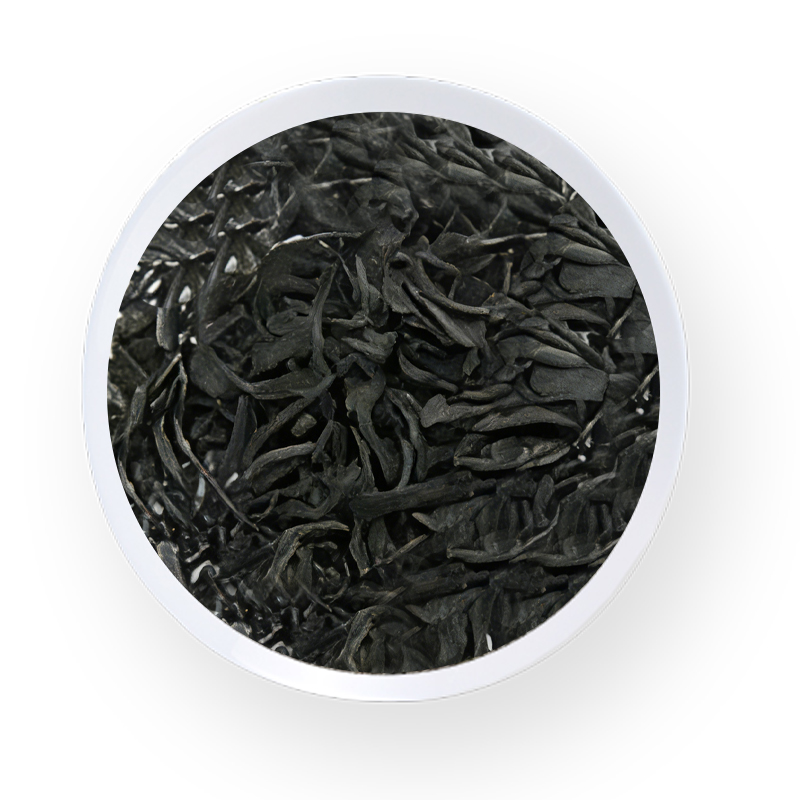
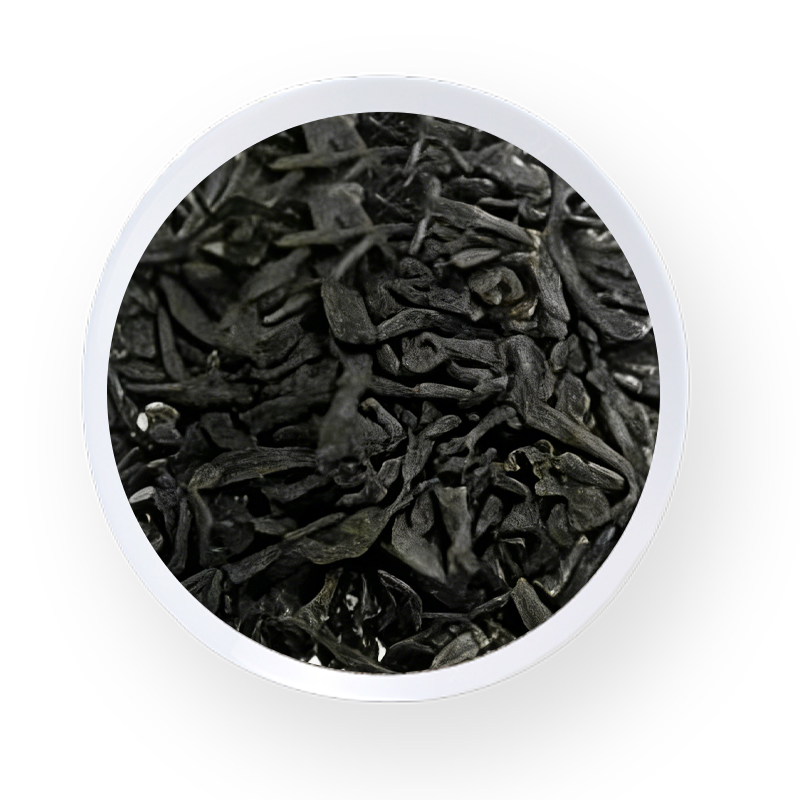
| Dry Leaf Appearance | Tight, twisted strips, dark brown-black with moderate golden tips | Looser, fuller strips, more golden tips, slightly downy | Very slender, delicate strips, abundant golden down, uniform |
| Aroma Intensity | Deep, winey, fruity (plum/raisin), with roasted notes | Lighter, floral (orchid/rose) and honeyed | Fresh, intensely floral with lychee and vanilla hints |
| Liquor Color | Deep ruby-red, bright | Bright reddish-orange, golden rim | Bright amber-orange, lighter body |
| Body & Mouthfeel | Full-bodied, malty, thick, smooth | Medium-bodied, silky, elegant | Light to medium, extremely smooth, creamy |
| Typical Sweetness Level | Moderate to high (dried fruit sweetness) | High (floral honey sweetness) | Very high (candied fruit, light caramel) |
| Recommended Steeping Time (95°C / 3g per 150ml) |
First steep: 25–30 sec | First steep: 20–25 sec | First steep: 15–20 sec |
| Infusion Longevity (quality leaf) | 4–5 infusions | 3–4 infusions | 3 infusions (best flavor in first two) |
| Traditional Role | Classic "Breakfast tea" base, great with milk | Premium afternoon tea, best enjoyed plain | Rare seasonal delicacy, pure savoring |
2.2 Key Differences from Standard Black Tea Processing
Unlike most black teas that undergo heavy, fast fermentation, Keemun uses a gradual, moderate fermentation (70-80% oxidation level). This slower process preserves more floral precursors and avoids the sharp, malty edge typical of many black teas. The final slow drying over charcoal or pine wood (in traditional versions) locks in the complex "Keemun aroma".
2.2.1 Chemical Parameter Comparison: Keemun vs. General Black Tea
| Compound Group | Typical Keemun Range | General Black Tea Range | Implication for Flavor |
|---|---|---|---|
| Theaflavins (TF) | 0.8 – 1.2% | 1.0 – 2.0% | Lower TF contributes to less astringency, brighter liquor color |
| Thearubigins (TR) | 12 – 18% | 10 – 20% | Moderate-high TR gives mellow, thick body |
| Geraniol (floral aroma) | 12 – 15% of volatiles | 4 – 8% of volatiles | High geraniol → rose-like, sweet floral notes |
| Linalool and oxides | 8 – 10% | 5 – 7% | Contributes to fresh, floral-fruity character |
| Total catechins (remaining) | < 3% | 5 – 8% | Very low residual catechins → no bitterness |
2.3 Influence of Terroir: Qimen County’s Specific Parameters
The unique "Keemun flavor" is directly linked to the local environment. Key geographical parameters include:
- Altitude: Tea gardens at 300–800 meters. Higher altitude (600m+) produces slower leaf growth, denser aromatic compounds.
- Soil: Weathered purple sandstone and yellow-red loam, pH 4.5–5.5, rich in trace elements like selenium and zinc.
- Climate: Annual average 15.6°C, with high humidity (avg 80%). Frequent morning mists during spring harvest (March–April).
These parameters create a slower nitrogen metabolism in the tea plant (Camellia sinensis var. sinensis), leading to higher amino acids (theanine) and a specific volatile profile that cannot be replicated elsewhere.
2.3.2 Summary of Ideal Steeping Parameters for Keemun Profiles
To extract the best character from any Keemun, follow these calibrated parameters:
- Water Temperature: 90–95°C (195–205°F). Never boiling, to avoid scalding the delicate aromatics.
- Leaf-to-Water Ratio: 3 grams per 150 ml (for gongfu style) or 2 grams per 200 ml (Western style).
- Vessel: Porcelain gaiwan or a thin-walled Yixing zisha pot (for retaining heat without over-steeping). Glass is also acceptable.
- Rinse: Optional but not necessary for high-grade Keemun. If desired, a quick 3-second rinse at 85°C to "awaken" the leaves.
By understanding these technical parameters, tea drinkers can fully appreciate why Keemun is called the "Burgundy of Teas"—a title earned through precise origin, meticulous grade differentiation, and a volatile chemistry that creates one of the world’s most complex and satisfying black tea experiences.
II. Technical Parameters: Comparing Keemun Grades & Styles
To fully appreciate Keemun's depth, it's essential to distinguish between its main grades and processing styles. The following sections and tables provide a detailed technical comparison based on leaf standards, aromatic profiles, liquor characteristics, and optimal brewing parameters. This information helps tea enthusiasts select the right Keemun for their preference—whether for a robust morning cup or a delicate afternoon tasting.
2.1 Primary Grades of Keemun Black Tea
Keemun is traditionally classified into several grades. The three most representative categories are Keemun Gongfu (the classic, fully twisted style), Keemun Mao Feng (a more tender, less twisted style), and Keemun Xin Ya (early spring buds). The table below outlines their key distinguishing parameters.
| Parameter | Keemun Gongfu | Keemun Mao Feng | Keemun Xin Ya |
|---|---|---|---|
| Leaf Plucking Standard | One bud with 1–2 mature leaves | One bud with 1 tender leaf, pre-Qingming | Single bud or one bud with one nascent leaf, pre-Qingming |
| Appearance (Dry Leaf) | Tight, twisted, dark brown-black with moderate golden tips | Looser, fuller, more golden tips, slightly downy | Very slender, fine, abundant golden down, uniform |
| Aromatic Profile | Deep, winey, fruity (plum, raisin, lychee), with gentle roasted note | Lighter, floral (orchid, rose) and honeyed | Fresh, intensely floral (orchid, jasmine), vanilla-like sweetness |
| Liquor Color | Deep ruby-red, bright, often with a golden ring | Bright reddish-orange, golden rim | Bright amber-orange, lighter body, translucent |
| Body & Mouthfeel | Full-bodied, malty, thick, smooth, low astringency | Medium-bodied, silky, elegant, very clean | Light to medium, extremely smooth, creamy texture |
| Sweetness Level | Moderate to high (dried fruit sweetness) | High (floral honey sweetness) | Very high (candied fruit, light caramel) |
| Recommended Steeping (95°C / 3g per 150ml) |
First steep: 25–30 seconds | First steep: 20–25 seconds | First steep: 15–20 seconds |
| Infusion Longevity | 4–5 infusions | 3–4 infusions | 3 infusions (best flavor in first two) |
| Best Use / Pairing | Excellent with milk or plain, classic breakfast base | Premium afternoon tea, best enjoyed without additives | Rare seasonal delicacy, pure savoring |
2.2 Chemical Composition Parameters That Define Keemun
The unique "Keemun aroma" and smooth mouthfeel are the result of a specific balance of chemical compounds, which differs from many other black teas. The following table compares typical ranges of key components in Keemun versus general black tea parameters.
| Compound Group | Typical Keemun Range | General Black Tea Range | Flavor & Mouthfeel Implication |
|---|---|---|---|
| Theaflavins (TF) | 0.8 – 1.2% | 1.0 – 2.0% | Lower TF → less astringency and bitterness, smoother finish |
| Thearubigins (TR) | 12 – 18% | 10 – 20% | Moderate-high TR → mellow, thick body, deeper color |
| Geraniol (floral aroma) | 12 – 15% of total volatiles | 4 – 8% of total volatiles | High geraniol → pronounced rose-like, sweet floral notes |
| Linalool & its oxides | 8 – 10% of total volatiles | 5 – 7% of total volatiles | Contributes to fresh, floral-fruity (slightly citrusy) character |
| Total residual catechins | < 3% | 5 – 8% | Very low residual catechins → no bitterness, even at longer steeps |
2.3 Processing Parameters Unique to Keemun
Unlike many black teas that undergo rapid, high-temperature fermentation, traditional Keemun employs a slower, moderate oxidation process (70–80% oxidation). This controlled approach preserves more floral precursors and avoids the sharp, harsh edges found in some black teas. Key processing parameters include:
- Withering: 8–12 hours at 20–25°C, 65–70% humidity, until leaves become flaccid and grassy notes dissipate.
- Rolling: 60–90 minutes, gently twisting the leaf cells to initiate enzymatic reaction without breaking leaves excessively.
- Fermentation (Oxidation): 3–5 hours at 26–30°C, 90–95% humidity. This is shorter and cooler than many full-oxidation black teas (which may go 4–6 hours at 30–35°C). The result is a less malty, more floral profile.
- Drying: First drying at 110–120°C to stop oxidation, then a second, slower drying at 80–85°C. Traditional versions may include a light pine-wood or charcoal firing for added depth.
2.4 Terroir Parameters: Qimen County’s Specifics
The unique character of Keemun is inseparable from its origin. The geographical parameters of Qimen County are as critical as the varietal or processing method.
- Altitude: Tea gardens are typically located at 300–800 meters. Higher elevations (600–800 m) produce slower-growing leaves with denser aromatic compounds.
- Soil Composition: Weathered purple sandstone and yellow-red loam, pH 4.5–5.5, rich in trace elements like selenium and zinc, which contribute to the tea's sweetness and complexity.
- Climate: Annual average temperature 15.6°C, with high relative humidity (average 80%). Frequent morning mists during the spring harvest (March–April) promote the development of amino acids and aromatic precursors.
- Tea Plant Varietal: Predominantly Camellia sinensis var. sinensis cultivar "Zhongcha 108" and local Zhuye (bamboo leaf) variety, known for its high content of geraniol and linalool oxides.
These combined parameters—from leaf plucking standard to soil chemistry—define the technical framework that allows Keemun to produce its legendary "Burgundy of teas" profile. Understanding these parameters empowers tea lovers to distinguish authentic, high-quality Keemun from imitations and to brew each grade optimally.
III. Processing Uniqueness: The Craft Behind the Aroma
The legendary "Keemun aroma" is not an accident of nature alone. It is the direct result of a highly specific, labor-intensive manufacturing process that differs from standard black tea production in several critical ways. While most black teas undergo rapid, high-temperature oxidation to produce a bold, malty character, Keemun’s traditional protocol emphasizes gradual development, moderate oxidation, and gentle finishing. This section details the unique processing parameters that transform fresh tea leaves into one of the world’s most complex black teas.
3.1 The Five Core Stages of Keemun Processing
Traditional Keemun production follows a sequence of five main stages. Each stage involves precise parameters that directly influence the final aroma, flavor, and mouthfeel. The table below summarizes the core stages and their objectives.
| Processing Stage | Traditional Duration | Key Parameters | Impact on Final Tea |
|---|---|---|---|
| Withering (Wei Diao) | 8 – 12 hours | 20–25°C, 65–70% humidity, withering racks | Reduces moisture by 30–35%, develops floral precursors, softens leaves for rolling |
| Rolling (Rou Nian) | 60 – 90 minutes | Gentle pressure, gradual increase, ambient temperature | Breaks cell walls, initiates enzymatic oxidation, shapes the typical twisted leaf |
| Fermentation (Fa Jiao) (Oxidation) |
3 – 5 hours | 26–30°C, 90–95% humidity, thin leaf layer | Converts polyphenols to theaflavins & thearubigins, develops the "Keemun aroma" |
| First Drying (Chu Hong) | 15 – 20 minutes | 110–120°C, high air flow | Stops oxidation rapidly, locks in aroma, reduces moisture to ~20% |
| Second Drying & Finishing (Zu Hong) | 30 – 45 minutes | 80–85°C, slow drum drying, sometimes over charcoal/pine | Further reduces moisture to <6%, develops depth, adds subtle smoky or sweet notes |
3.2 Key Processing Parameters That Distinguish Keemun
When comparing Keemun to standard black tea processing (such as orthodox CTC or other full-oxidation teas), several distinct parameters emerge. These differences are responsible for Keemun’s characteristic low astringency, high floral aroma, and smooth body.
- Lower Fermentation Temperature: 26–30°C vs. typical 30–35°C. Cooler oxidation preserves more volatile aromatic compounds (such as geraniol and linalool) while producing a balanced proportion of theaflavins (0.8–1.2%) to thearubigins (12–18%).
- Shorter Fermentation Time: 3–5 hours versus 4–6 hours for many black teas. This moderate oxidation (70–80% of total polyphenols) avoids over-oxidation, which would flatten floral notes and increase bitter compounds.
- Gentle Rolling Pressure: Unlike the heavy crushing used in CTC (cut-tear-curl) production, Keemun rolling is a gradual, lighter pressure that breaks cell walls without macerating the leaf completely. This preserves leaf integrity and allows for slower, more controlled oxidation.
- Two-Stage Drying with Lower Final Temperature: The second drying at 80–85°C (rather than a single high-temperature firing) is critical. This slower finish locks in delicate aromatics that would otherwise evaporate at higher heat. Traditional versions may add a light pine-wood or charcoal smoke during this stage, though this is becoming rarer.
3.3 The Traditional "Keemun Aroma" Development During Fermentation
The fermentation stage is where the signature aroma truly forms. As polyphenols oxidize, amino acids and carotenoids break down into volatile compounds. In Keemun processing, two specific biochemical pathways are particularly active:
- Carotenoid degradation: Produces beta-damascenone (sweet, fruity, reminiscent of cooked apple or honey) and beta-ionone (violet-like, floral). These are present at higher levels in Keemun than in most black teas due to the moderate temperature and humidity control.
- Glycoside hydrolysis: Releases bound geraniol (rose-like) and linalool (floral, slightly citrusy). The high proportion of these compounds—often exceeding 20% of total volatiles—is the chemical signature of genuine Keemun.
Master tea makers monitor the fermentation by observing leaf color change (from green to copper-red to deep brown) and aroma evolution (from grassy to fruity to the characteristic floral-spicy finish). The process is stopped precisely when the astringent green notes have disappeared but before the floral notes begin to fade into a flat, malty profile.
3.4 Comparison: Keemun Processing vs. Standard Black Tea Processing
To highlight what makes Keemun unique, the following table compares its key processing parameters against a typical full-oxidation black tea (e.g., standard orthodox black tea).
| Parameter | Traditional Keemun | Standard Orthodox Black Tea | Effect on Final Cup |
|---|---|---|---|
| Withering Moisture Loss | 30 – 35% | 40 – 45% | Keemun retains slightly more initial moisture, aiding controlled oxidation |
| Rolling Intensity | Light to moderate, gradual | Moderate to heavy, constant | Gentler rolling preserves leaf shape and reduces immediate oxidation rate |
| Fermentation Temperature | 26 – 30°C | 30 – 35°C | Lower temperature favors floral volatiles over malty compounds |
| Fermentation Humidity | 90 – 95% | 85 – 95% | Higher humidity in early fermentation prevents leaf surface drying, allowing even oxidation |
| Total Oxidation Level | 70 – 80% of polyphenols | 85 – 95% | Moderate oxidation leaves more floral precursors intact |
| Final Drying Approach | Two-stage (high then low heat) | Single-stage (medium-high heat) | Two-stage drying locks in more volatile aromatics |
| Optional Flavoring Finish | Light pine/charcoal smoke (traditional) | Rarely used | Adds subtle smoky-sweet depth, never overpowering |
3.5 The Role of Traditional Craftsmanship
While modern tea factories may use machines for rolling and temperature-controlled fermentation chambers, the finest Keemun is still made using artisanal techniques. Master tea makers rely on sensory evaluation—touch, smell, and sight—to determine when to move from one stage to the next. Key artisanal decisions include:
- Adjusting withering time based on ambient humidity and leaf moisture content (measured by feel, not instruments).
- Modulating rolling pressure to avoid overheating the leaves, which can cause undesirable cooked or sour notes.
- Determining fermentation endpoint by smelling the leaf pile (a balanced floral-fruity aroma with no green or sour hints) and observing the color of the leaf sap exuding from the mass.
These human judgments remain irreplaceable. The difference between a well-made Keemun and a mediocre one often comes down to precision in these small, traditionally learned adjustments. When all parameters align—from leaf plucking to the final low-temperature firing—the resulting tea earns its reputation as the "Burgundy of teas," a title that celebrates both nature’s contribution and the skill of the tea maker.
IV. Brewing Guide: Unlocking the Full Potential of Keemun
Brewing Keemun black tea correctly is essential to reveal its legendary complexity. Due to its moderate oxidation, high proportion of delicate aromatic compounds, and low residual catechin content, Keemun responds differently to water temperature, steeping time, and vessel choice than many other black teas. Over-brewing can flatten its floral notes; under-brewing may leave its body thin. This guide provides specific, tested parameters for each Keemun grade and brewing style, helping you achieve a balanced, aromatic cup every time.
4.1 Core Brewing Parameters at a Glance
Before diving into style-specific instructions, the table below summarizes the foundational parameters that apply to most Keemun teas. These values are based on standard tasting protocols and experienced tea masters’ recommendations.
| Parameter | Recommended Value | Reason / Effect on Tea |
|---|---|---|
| Water Temperature | 90 – 95°C (195 – 205°F) | Higher than 95°C scalds floral volatiles (geraniol, linalool); lower than 90°C fails to extract full body and sweetness. |
| Leaf-to-Water Ratio (Gongfu style) | 3 – 4 grams per 150 ml | Provides sufficient leaf density for multiple short infusions without bitterness. |
| Leaf-to-Water Ratio (Western style) | 2 – 2.5 grams per 200 – 250 ml | Lighter ratio suits longer steeping (2–3 minutes), producing a clean, approachable cup. |
| Water Quality | Low mineral content (soft water), pH 6.5 – 7.5 | Hard water mutes floral notes and creates a dull, flat liquor. Spring water or filtered tap water is ideal. |
| Rinse (Optional) | Quick 3-second rinse at 85°C for aged or tightly rolled leaves; no rinse for Xin Ya / Mao Feng | A rinse can "awaken" dense leaves but may wash away delicate aromatics from tender grades. |
4.2 Grade-Specific Brewing Parameters
Each Keemun grade requires slightly different handling to showcase its best qualities. The following table provides detailed steeping instructions for Keemun Gongfu, Keemun Mao Feng, and Keemun Xin Ya.
| Parameter | Keemun Gongfu | Keemun Mao Feng | Keemun Xin Ya |
|---|---|---|---|
| Recommended Vessel | Yixing zisha pot or porcelain gaiwan | Porcelain gaiwan (thin-walled) | Glass gaiwan or thin porcelain |
| Water Temperature | 95°C | 92°C | 90°C |
| Leaf per 150 ml | 3.5 – 4 grams | 3 – 3.5 grams | 3 grams |
| First Steep Time | 25 – 30 seconds | 20 – 25 seconds | 15 – 20 seconds |
| Second Steep Time | 20 – 25 seconds | 15 – 20 seconds | 10 – 15 seconds |
| Third Steep Time | 30 – 35 seconds | 25 – 30 seconds | 20 – 25 seconds |
| Total Infusions Possible | 4 – 5 | 3 – 4 | 3 (best in first two) |
| Liquor Characteristic | Deep ruby, full body, malty-fruity | Bright orange-red, silky, floral | Amber-orange, light, intensely sweet |
4.3 Two Primary Brewing Styles Compared
Tea drinkers typically choose between Gongfu (concentrated, multiple short steeps) and Western (single longer steep, larger volume) brewing. Both are valid, but they reveal different aspects of Keemun. The table below compares these styles directly.
| Aspect | Gongfu Style | Western Style |
|---|---|---|
| Vessel | Gaiwan or small teapot (150–200 ml) | Large teapot or mug with infuser (300–500 ml) |
| Leaf Amount | 3 – 4 g per 150 ml2 – 2.5 g per 250 mlWater Temperature90 – 95°C90 – 95°C (same)Steeping Time15 – 30 seconds (per steep)2 – 3 minutes (single steep)Number of Infusions4 – 61 – 2Liquor StrengthConcentrated, layered, aromaticLighter, cleaner, more "accessible"Best ForExploring flavor evolution, dedicated tea sessionDaily drinking, convenience, larger servingsSkill LevelRequires attention to timing and temperatureSimple and forgiving |
4.4 Step-by-Step Gongfu Brewing Instructions
For those seeking the fullest expression of Keemun’s complexity, Gongfu brewing is recommended. Follow these steps precisely.
- Step 1 – Warm the vessel: Pour boiling water into your gaiwan or small teapot, then discard. This raises the temperature of the vessel, preventing heat shock when the leaves are added.
- Step 2 – Add leaves: Place 3–4 grams of Keemun leaves per 150 ml capacity. Observe the dry leaf aroma after warming the vessel—it should smell sweet, fruity, or floral.
- Step 3 – Add water: Pour water at the specified temperature (90–95°C depending on grade) in a circular motion to wet all leaves evenly. Fill to the brim.
- Step 4 – Steep and decant: Cover and steep for the recommended time (see section 4.2). Pour the liquor completely into a fairness pitcher or directly into cups. Do not let leaves sit in water between infusions.
- Step 5 – Subsequent infusions: For each following steep, add 5–10 seconds to the previous steep time. Keemun Gongfu often peaks on the 2nd or 3rd infusion, where the body and aroma are most balanced.
- Step 6 – Observe the spent leaves: After the final infusion, examine the wet leaves. Quality Keemun will have uniform, bright copper-red or brownish-red leaves with a sweet, clean scent. Dark, dull, or mushy leaves indicate over-processing or poor storage.
4.5 Common Brewing Mistakes and Corrections
Even experienced tea drinkers sometimes mis-brew Keemun. The table below lists typical issues and their solutions.
| Problem Observed | Likely Cause | Correction |
|---|---|---|
| Flat, dull taste, no aroma | Water temperature too low (<85°C) or leaves too old | Increase temperature to 90–95°C; check tea freshness (use within 2 years of production) |
| Harsh, bitter, or astringent liquor | Water too hot (>95°C) or steeped too long | Reduce temperature; shorten steeping time (especially for Xin Ya and Mao Feng) |
| Weak, watery body | Too little leaf or too short a steep | Increase leaf amount to 3–4 grams per 150 ml; extend steep time by 10 seconds |
| "Cooked" or stewed flavor | Vessel too thick (retains excessive heat) or water re-boiled multiple times | Use thin porcelain or glass; always use freshly boiled water (not repeatedly boiled) |
| Muddy or dark liquor with no brightness | Over-oxidized or poorly stored tea; possibly dampness damage | Ensure tea is stored in airtight, dry conditions; purchase from reputable sources |
4.6 Adjusting for Personal Preference
The parameters above provide a reliable starting point. However, individual taste varies. Use the following guide to modify parameters toward your preferred profile:
- For a lighter, more floral cup: Reduce water temperature by 2–3°C and shorten steep time by 5 seconds. This emphasizes the top notes (geraniol/linalool) while reducing extraction of deeper compounds.
- For a fuller, more robust cup (enhanced maltiness): Increase water temperature to 95°C and extend steep time by 10–15 seconds. This extracts more thearubigins and caramelized sugars, creating a heavier body suitable for morning drinking or pairing with food.
- For iced Keemun: Use Western style with double the leaf amount (5 grams per 250 ml), steep for 3 minutes at 90°C, then pour over ice immediately. The rapid chilling preserves floral notes while providing refreshing coolness. Avoid extended refrigeration of brewed tea, as aromatics degrade within 4–6 hours.
By understanding and adjusting these parameters, you can unlock the full potential of any Keemun tea—from an everyday Gongfu to a rare Xin Ya. The "Burgundy of teas" rewards attention with an unparalleled range of flavors, from bright florals to deep fruit and honey.
V. Flavor Profile & Tasting Notes: A Sensory Guide
Tasting Keemun black tea is an experience comparable to appreciating a fine wine or single malt whisky. Its flavor is rarely one-dimensional. Instead, a well-made Keemun presents a layered, evolving profile that changes from the initial aroma to the mid-palate and finally the finish. This guide provides a systematic framework for identifying and articulating the key sensory attributes of Keemun, from its legendary "Keemun aroma" to its signature smooth mouthfeel.
5.1 The Signature "Keemun Aroma" Deconstructed
The aroma of genuine Keemun is famously complex and often described as "fruity, floral, and slightly smoky, with a wine-like depth." Master tasters break this down into three distinct aromatic layers:
- Top notes (immediate, volatile): Floral – orchid, rose, and sometimes osmanthus. These are the first aromas to emerge and are primarily due to high concentrations of geraniol (rose) and linalool (floral, slightly citrusy).
- Mid notes (developing, persistent): Fruity and honeyed – ripe plum, lychee, dried longan, raisin, and a hint of honey or caramel. These come from beta-damascenone (cooked fruit, honey) and various sugar-amine interaction products formed during drying.
- Base notes (deep, lingering): Subtle spicy or smoky-sweet – a very light suggestion of pine smoke, cocoa, or roasted barley, but never harsh or tarry. In traditional charcoal-fired Keemun, this base note is more pronounced yet always balanced.
This three-part aromatic structure is a hallmark of authentic, high-grade Keemun. Lower grades or imitations often lack this layering, presenting as simply "malty" or "flat."
5.2 Flavor Parameters by Keemun Grade
Each grade of Keemun emphasizes different aspects of the flavor spectrum. The table below provides a grade-by-grade breakdown of typical flavor attributes, intensity, and texture parameters.
| Sensory Parameter | Keemun Gongfu | Keemun Mao Feng | Keemun Xin Ya |
|---|---|---|---|
| Primary Aroma Family | Fruity-winey (plum, raisin) + light smoky base | Floral-honey (orchid, rose, honey) | Intensely floral (orchid, jasmine, lychee) |
| Secondary Aroma Notes | Dried longan, cocoa, malt | Apple blossom, fresh apricot, vanilla | Fresh lychee, osmanthus, light cream |
| Sweetness Level | Moderate to high (dried fruit type) | High (floral honey type) | Very high (candied fruit, light caramel) |
| Astringency (0–10 scale) | 1 – 2 (very low) | 0 – 1 (virtually none) | 0 (none detectable) |
| Bitterness (0–10 scale) | 0 – 1 (none detectable) | 0 | 0 |
| Body / Mouthfeel Texture | Full, thick, slightly malty, coating | Medium, silky, elegant, clean | Light to medium, creamy, smooth |
| Finish Length | Long (floral-fruity aftertaste >30 sec) | Moderately long (sweet floral >20 sec) | Moderate (clean, sweet >15 sec) |
| Best Comparison | Light-bodied Burgundy red wine | Premium oolong (but fully oxidized) | First-flush Darjeeling’s muscatel, but sweeter |
5.3 Visual Tasting Parameters: Liquor and Leaf
Appearance provides important clues to quality and proper brewing. The table below describes the expected visual parameters for properly brewed Keemun.
| Visual Element | High-Quality Keemun (All Grades) | Defects to Avoid |
|---|---|---|
| Dry Leaf Color | Black to deep brown with visible golden or orange tips (more tips = higher grade) | Uniformly dull black (no tips), grayish, or unevenly colored |
| Dry Leaf Integrity | Tightly twisted, mostly whole leaves, few broken pieces | Many broken fragments, dust, or stems |
| Liquor Color (brewed) | Bright ruby-red or reddish-orange with a golden ring at the edge (when viewed against white) | Dull, dark brown, cloudy, or muddy |
| Wet Leaf Color (after steeping) | Uniform, bright copper-red or reddish-brown, fully unfurled | Dark green (under-oxidized), black (over-oxidized), or uneven with dark spots |
| Wet Leaf Scent | Sweet, clean, fruity or floral, no sour or off odors | Sour, musty, cooked vegetable, or flat |
5.4 Step-by-Step Tasting Protocol (Tea Cupping Method)
Professional tea tasters (cupping specialists) use a standardized method to evaluate Keemun. You can adapt this protocol at home for a systematic tasting experience.
- Step 1 – Prepare the sample: Use 3 grams of tea per 150 ml of water at 95°C. Steep in a covered porcelain cup or gaiwan for exactly 5 minutes (this longer steep is for evaluation, not daily drinking).
- Step 2 – Examine the dry leaf: Before adding water, warm the vessel, add the leaves, and gently swirl. Inhale deeply. Note the intensity, complexity, and cleanliness of the dry aroma.
- Step 3 – Smell the wet leaf after steeping: After the 5-minute steep, lift the lid and smell the infused leaves immediately. The wet leaf aroma reveals deeper notes often masked by the liquor.
- Step 4 – Slurp the liquor: Take a small sip and draw air sharply over the liquid (slurping). This aerates the tea, volatilizing aromatic compounds and coating the entire palate. Hold the tea in your mouth for 3–5 seconds.
- Step 5 – Identify the three phases:
- Attack (first 2 seconds): Initial sweetness and any top floral/fruity notes. Keemun should not be bitter or harsh at this stage.
- Mid-palate (3–8 seconds): Body, texture, and core flavors. Is it thin or full? Silky or drying? What specific fruit/floral notes emerge?
- Finish (after swallowing): Note the length and quality of the aftertaste. High-grade Keemun leaves a sweet, floral-fruity sensation that persists for 20–30 seconds or more.
- Step 6 – Rate the tea: Score each parameter on a 1–10 scale: Aroma (complexity/intensity), Flavor (clarity/pleasantness), Body (texture), Sweetness, Lack of astringency/bitterness, and Finish length.
5.5 Common Flavor Descriptors for Keemun (Glossary)
When writing or speaking about Keemun, the following terms are used by professionals. Familiarity with these descriptors enables precise communication about your tasting experience.
| Descriptor | Meaning in Keemun Tasting | Typical Grade |
|---|---|---|
| Muscatel | A specific grapey, slightly spicy note reminiscent of Muscat wine; rare in Keemun but prized when present | Occasional high-altitude, late-season Mao Feng |
| Winey | Reminiscent of dry red wine (plum, currant, light tannin structure); not sour or sharp | Gongfu (classic) |
| Floral (specific) | Orchid, rose, osmanthus, jasmine – clean, natural flower scents, never soapy or artificial | Mao Feng, Xin Ya |
| Honeyed | Sweetness resembling floral honey (acacia, wildflower) without being cloying | Mao Feng |
| Stone fruit | Plum, nectarine, peach – typically in the mid-palate | Gongfu |
| Smoky-sweet | A very faint suggestion of pine smoke or charcoal, always balanced by sweetness; never dominating | Traditional charcoal-fired Gongfu |
5.6 Comparing Keemun’s Flavor Profile to Other Tea Categories
To help new drinkers contextualize Keemun, the table below compares its sensory profile to other well-known tea types. This is not a brand or shopping reference but a purely sensory comparison.
| Sensory Aspect | Keemun (Classic Gongfu) | Typical Assam Black Tea | Typical Darjeeling Black Tea | Typical Yunnan Black Tea (Dian Hong) |
|---|---|---|---|---|
| Aroma | Fruity-winey + floral + faint smoky | Malty, earthy, robust | Muscatel, floral, green notes | Honey, malt, roasted sweet potato |
| Body | Medium to full, smooth | Full, heavy, sometimes harsh | Light to medium, brisk | Medium to full, round, creamy |
| Sweetness | Moderate to high | Low to moderate | Moderate (muscatel sweetness) | High (honey, sweet potato) |
| Astringency | Very low (1/10) | Moderate to high (5–7/10) | Moderate (4–6/10) | Low (1–2/10) |
| Finish | Long, floral-fruity | Short, malty | Long, floral-muscatel | Moderate, honeyed |
This comparison shows that Keemun occupies a unique position: lower in astringency than most black teas, higher in floral complexity than malt-driven types, and with a finish length that rivals fine Darjeeling. This balance is why it has earned the title "Burgundy of teas."
VI. Health Benefits & Scientific Evidence
Beyond its sensory elegance, Keemun black tea offers a range of health-supporting properties, many of which have been investigated by nutritional science. Due to its specific oxidation level, moderate theaflavin content, and high proportion of bioavailable polyphenol derivatives, Keemun provides benefits that differ slightly from both less-oxidized teas (green, oolong) and fully oxidized black teas. This section presents evidence-informed parameters for understanding Keemun’s health potential, without medical claims or exaggeration.
6.1 Key Bioactive Compounds in Keemun
The health-related properties of Keemun derive from several classes of compounds. Their concentrations vary by grade and processing but generally fall within the ranges shown below. These values are based on typical analyses of authentic Keemun samples.
| Compound Group | Typical Concentration (per 100g dry leaf) | Bioactivity (Established in Research) |
|---|---|---|
| Theaflavins | 0.8 – 1.5 g | Antioxidant, associated with cholesterol management support |
| Thearubigins | 12 – 18 g | Contribute to gut microbiome modulation, metal-chelating properties |
| Catechins (residual) | < 0.5 g | Low due to oxidation; minimal direct catechin effect |
| L-theanine | 1.0 – 1.6 g | Promotes calm alertness, modulates caffeine effects |
| Caffeine | 2.5 – 3.5 g | Central nervous system stimulation, increased focus |
| Flavonols (quercetin, kaempferol) | 0.5 – 0.8 g | Vascular support, anti-inflammatory properties |
| Phenolic acids (chlorogenic, ellagic) | 0.4 – 0.6 g | Antioxidant, antimicrobial (in vitro) |
6.2 Documented Health Parameters: What Research Indicates
Epidemiological and controlled studies on black tea (including varieties similar to Keemun) have identified several consistent associations. The following table summarizes established parameters where scientific evidence is most robust.
| Health Domain | Observed Parameter (with regular consumption) | Mechanism (current understanding) | Relevance to Keemun Specifically |
|---|---|---|---|
| Cardiovascular markers | Modest reduction in LDL cholesterol (approx. 5–10% in some studies); improved flow-mediated dilation | Theaflavins inhibit dietary cholesterol absorption; thearubigins improve endothelial function | Keemun’s moderate theaflavin content (0.8–1.5g/100g) is within the range associated with these effects |
| Postprandial glucose | Reduced blood glucose spike after meals (by approx. 15–20% when consumed with carbohydrates) | Polyphenols inhibit alpha-amylase and alpha-glucosidase, slowing sugar absorption | Brewing parameters (no sugar, moderate strength) are critical; Keemun’s low astringency makes it palatable without sweeteners |
| Mental alertness & focus | Improved reaction time and sustained attention for 1–3 hours after consumption | Synergistic effect of L-theanine (calming) + caffeine (stimulating), modulating alpha brain wave activity | Keemun’s L-theanine content (1.0–1.6g/100g) is comparable to high-quality green tea, offering a balanced “alert calm” |
| Gut microbiota modulation | Increased relative abundance of beneficial bacteria (e.g., Bifidobacterium, Lactobacillus) | Thearubigins reach the colon undigested and act as prebiotics | Keemun’s high thearubigin content (12–18g/100g) makes it particularly relevant for gut health |
| Hydration (mild diuretic effect) | Net hydrating effect similar to water when consumed in moderate amounts (3–5 cups/day) | Caffeine-induced diuresis is offset by total fluid volume; tolerance develops with regular intake | Standard brewing (2–3g/250ml) produces a beverage with 100–150mg caffeine per cup, well within diuretic threshold |
6.3 Comparative Antioxidant Parameters
The antioxidant capacity of Keemun, measured by standard laboratory assays (ORAC, FRAP, DPPH), falls within a specific range typical of fully oxidized black teas. The table below compares Keemun’s antioxidant parameters to other tea types (based on brewed tea, not dry leaf).
| Tea Type | Typical ORAC Value (µmol TE/100ml brewed) | Key Antioxidant Compounds | Relative to Keemun |
|---|---|---|---|
| Keemun (standard brew) | 400 – 600 | Theaflavins, thearubigins, flavonols | Baseline reference |
| Green tea (unoxidized) | 800 – 1300 | Epigallocatechin gallate (EGCG), catechins | Higher ORAC due to intact catechins |
| Oolong tea (partial oxidation) | 500 – 900 | Mixed catechins + theaflavins | Intermediate range |
| Fully oxidized black tea (other origins) | 350 – 700 | Theaflavins, thearubigins | Similar range; Keemun falls in mid-to-high part |
Interpretation note: ORAC values are laboratory measures that do not directly translate to in vivo effects. However, they confirm that properly brewed Keemun provides measurable antioxidant capacity comparable to other black teas.
6.4 Caffeine Content Parameters by Grade and Brew
Caffeine sensitivity varies among individuals. The following table provides specific caffeine parameters for different Keemun grades and brewing methods, enabling informed consumption choices.
| Grade / Brew Style | Caffeine per 200 ml cup (approx.) | Comparison to Drip Coffee (per 200 ml) | Suitable for |
|---|---|---|---|
| Keemun Xin Ya (gongfu brew, first steep) | 25 – 35 mg | About 1/4 of coffee | Morning or early afternoon, those with lower caffeine tolerance |
| Keemun Mao Feng (gongfu brew) | 30 – 45 mg | About 1/3 of coffee | General daytime drinking, focused work sessions |
| Keemun Gongfu (western brew, 3 min) | 40 – 60 mg | About 1/2 of coffee | Morning beverage, those accustomed to moderate caffeine |
| Keemun Gongfu (gongfu brew, cumulative 4 steeps) | 80 – 110 mg total | Equivalent to 1 small coffee | Extended tea sessions (2–3 hours) |
Note: Caffeine extraction is temperature- and time-dependent. Shorter steeps (gongfu style) extract less caffeine per cup than longer western steeps, even with more leaf used.
6.5 Practical Guidelines for Health-Conscious Drinking
To maximize potential benefits while minimizing any concerns, follow these evidence-informed parameters.
- Optimal daily intake: 2–4 cups (400–800 ml total) of standard-strength brewed Keemun. This range is associated with cardiovascular and cognitive parameters in observational studies without exceeding caffeine recommendations (below 400 mg/day for most adults).
- Timing considerations: Avoid drinking Keemun within 1 hour of iron-rich meals (the tannins, though low, can modestly reduce non-heme iron absorption). Consuming Keemun between meals or with vitamin C-rich foods minimizes this interaction.
- Brewing for lower caffeine: To reduce caffeine without sacrificing flavor, use a quick 10-second rinse (discard the first steep), then brew as usual. This removes 40–60% of caffeine while leaving most polyphenols and flavor compounds intact.
- Addition of milk or lemon: Adding milk binds to theaflavins, reducing antioxidant availability but also reducing any astringency. Lemon (vitamin C) increases the bioavailability of certain flavonols. Both are acceptable; the choice depends on personal preference and health goals.
- Storage for compound preservation: To maintain bioactive compounds, store Keemun in airtight, opaque containers at room temperature (15–25°C), away from light, moisture, and strong odors. Under these conditions, beneficial compounds remain stable for 18–24 months.
6.6 Important Cautions (Non-Claim Statement)
While Keemun is generally safe for most people, certain parameters should be observed. Individuals with known iron-deficiency anemia should avoid drinking tea within 1 hour of meals. Those with severe caffeine sensitivity or specific medical conditions (severe anxiety disorders, arrhythmias) should limit intake or choose decaffeinated options. Pregnant individuals are advised to limit total caffeine intake to under 200 mg/day (approximately 3–4 cups of Keemun, but lower is prudent). This information is for educational purposes and does not constitute medical advice. Always consult a healthcare provider for personalized recommendations.
In summary, Keemun black tea offers a favorable combination of moderate caffeine, notable theaflavin/thearubigin content, and L-theanine, placing it among black teas with documented health-supporting parameters. When consumed as part of a balanced lifestyle, it provides both sensory pleasure and measurable bioactive compounds.
 We sincerely welcome customers from all over the world to visit us and seek common
development and create brilliant future.
We sincerely welcome customers from all over the world to visit us and seek common
development and create brilliant future.
Contact BAODA
 Our Phone
+86-15386682887
+86-13857173531
 E-mail
[email protected]
[email protected]
[email protected]
 Our Address
Room 1601, Building 2, New Town Times Square, 189 Fengqi East Road, Hangzhou, Zhejiang Province, China.
Inquiry Us Now
Copyright © Hangzhou Baoda Tea Co., Ltd. All Rights Reserved
Wholesale China Premium Green Tea Company
