

 English
  Français
 Gunpowder Tea: Production Process, Flavor Characteristics and Applications
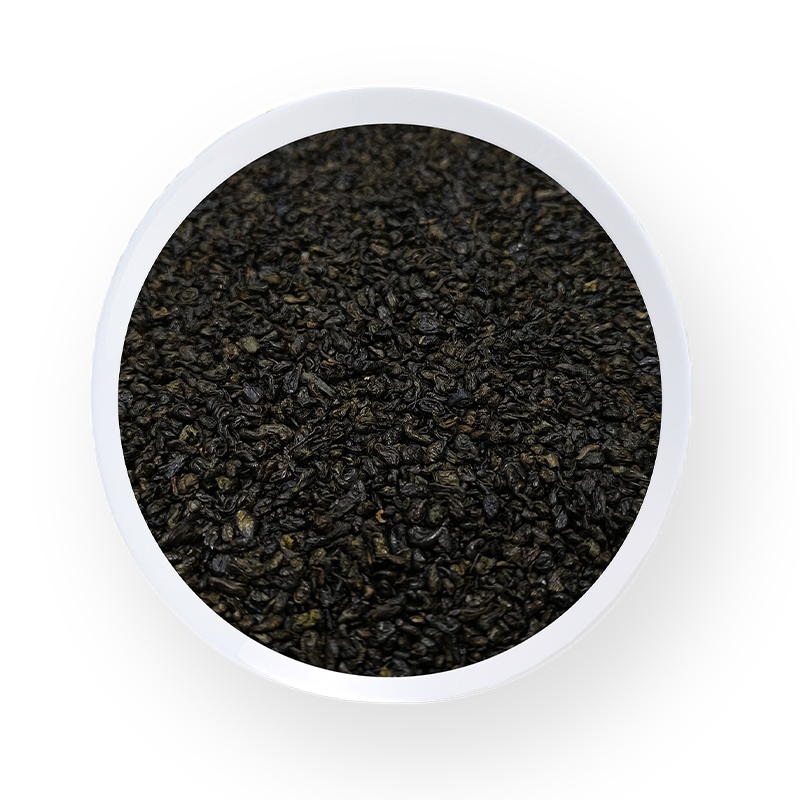
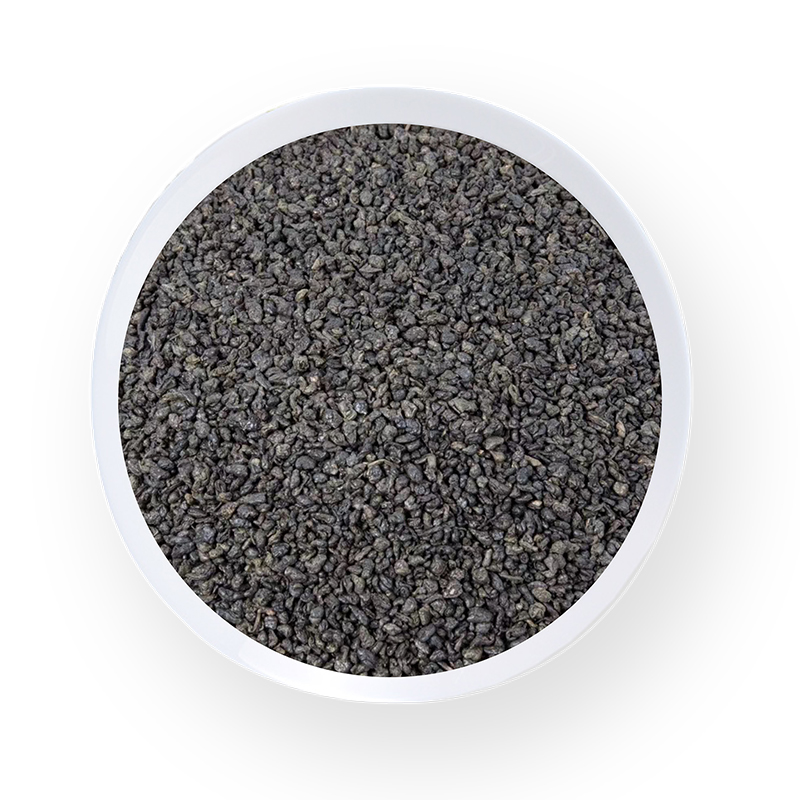
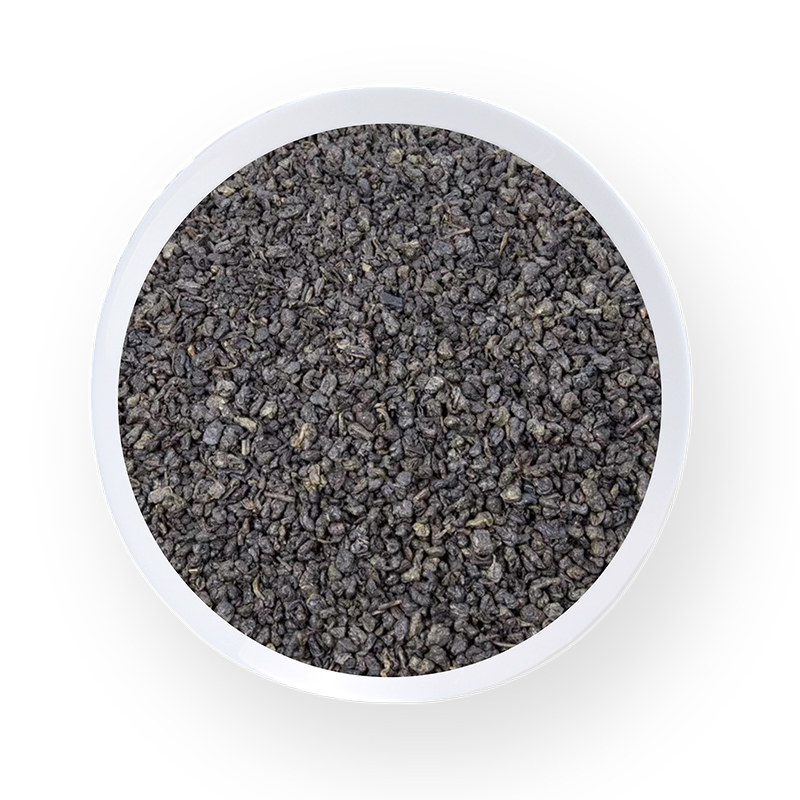
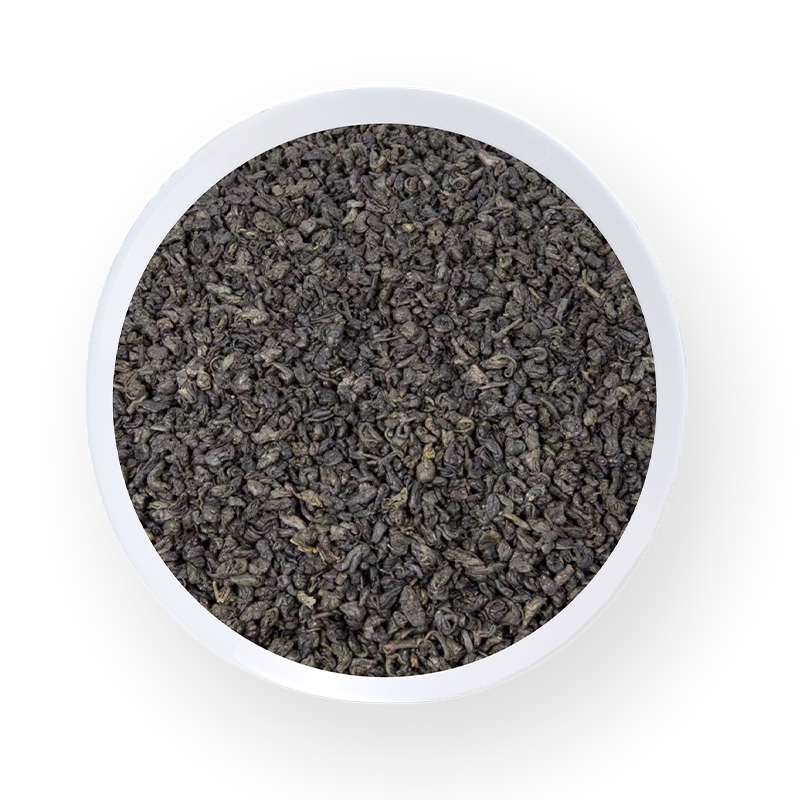
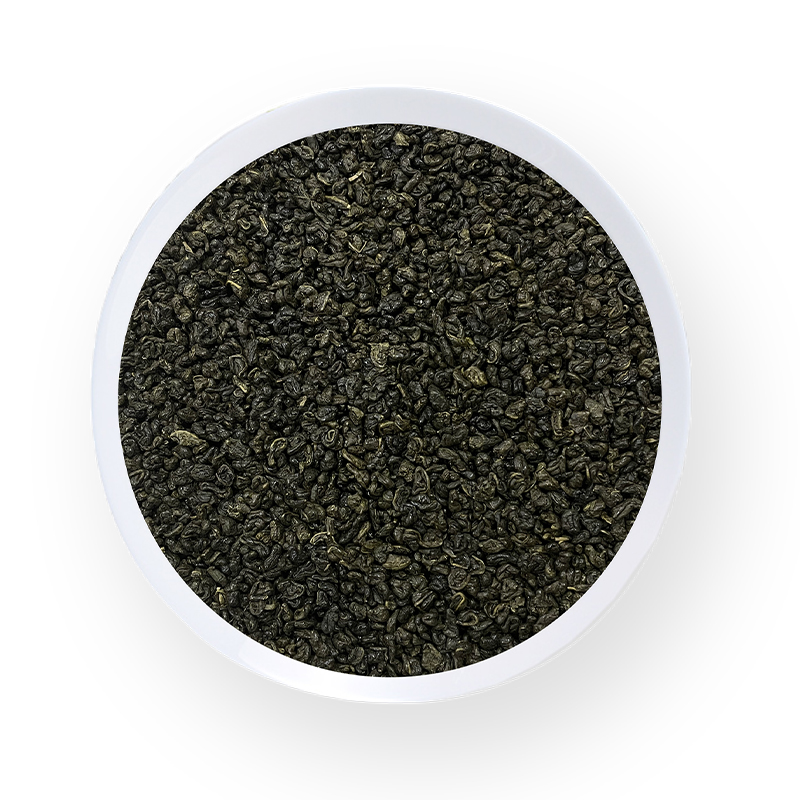
Gunpowder tea earns its name from tightly rolled leaf pellets that resemble small grains of shot, and that shape is the whole point: it locks in aroma, slows oxidation, and lets this classic gunpowder tea travel across the world without losing its character. For buyers sourcing loose leaf green tea, understanding how the pellets are made and graded is the fastest way to judge quality before it ever reaches a cup.
What Is Gunpowder Tea?
Chinese gunpowder tea is a rolled green tea made from Camellia sinensis leaves, mechanically curled into dense round pellets rather than left flat or twisted like most other green tea styles. The rolling reduces surface area exposed to air, which is the main reason gunpowder tea holds its flavor longer than many loose leaf green tea varieties during storage and shipping.
Quick definitionGunpowder tea is a pellet-shaped green tea, rolled tight during processing to protect aroma compounds and extend shelf life for retail, food service, and beverage manufacturing use.
How Is Gunpowder Tea Made?
Production follows four connected stages, each one shaping the final pellet, aroma, and grade. Green tea manufacturing at this scale depends on consistent timing at every step, since a rushed fixation or an uneven roll changes both appearance and taste.
Leaf Picking
Fresh young leaves and selected buds are harvested as the raw material, since leaf quality at this stage sets the ceiling for every grade that follows.
Withering and Fixation
Heat treatment halts enzymatic oxidation quickly, preserving the green color and the fresh, vegetal aroma that defines this tea category.
Rolling
Mechanical rolling curls the leaves into their signature round pellets, a step that improves storage performance as much as it shapes appearance.
Drying and Grading
Final moisture reduction, size sorting, and quality inspection separate premium pellets from standard and bulk-grade material.
Key Characteristics Buyers Look For
Three traits consistently separate strong gunpowder green tea from average stock, and each one is easy to check before placing an order.
Benefits and Common Applications
The same pellet shape that protects flavor also makes gunpowder tea practical across very different commercial settings, from a single retail pouch to a full beverage production line.
- ACompact volume lowers shipping and storage cost for export tea packaging
- BBrews well hot or as part of traditional tea blending, including Moroccan mint tea
- CPerforms reliably in hotel, restaurant, and catering tea service
- DExtracts consistently for bottled tea drinks and ready-to-drink beverages
Grades of Gunpowder Tea
Not all pellets are equal. Grading generally falls into three commercial tiers, each suited to a different buyer.
Packaging Options
Packaging format usually follows the buyer's channel rather than the tea grade itself.
| Bulk Packaging | Wholesalers, beverage manufacturers, blending companies |
| Retail Packaging | Pouches, tins, and gift boxes for direct consumer sale |
| Export Packaging | Moisture-resistant layers built to protect aroma over long transit |
How to Choose the Right Gunpowder Tea
Before committing to a supplier, run through a short quality check.
- Confirm uniform pellet size and tight rolling with minimal breakage
- Taste for a fresh, smooth flavor without stale or flat notes
- Match the grade to your application, whether retail, food service, or beverage production
- Verify the supplier's processing standards and export packaging experience
TakeawayThe pellet shape, fresh flavor, and long shelf life behind gunpowder tea are why it remains a dependable choice for retail brands, tea blenders, and beverage manufacturers sourcing loose leaf green tea at scale.
 We sincerely welcome customers from all over the world to visit us and seek common
development and create brilliant future.
We sincerely welcome customers from all over the world to visit us and seek common
development and create brilliant future.
Contact BAODA
 Our Phone
+86-15386682887
+86-13857173531
 E-mail
[email protected]
[email protected]
[email protected]
 Our Address
Room 1601, Building 2, New Town Times Square, 189 Fengqi East Road, Hangzhou, Zhejiang Province, China.
Inquiry Us Now
Copyright © Hangzhou Baoda Tea Co., Ltd. All Rights Reserved
Wholesale China Premium Green Tea Company
