

 English
  Français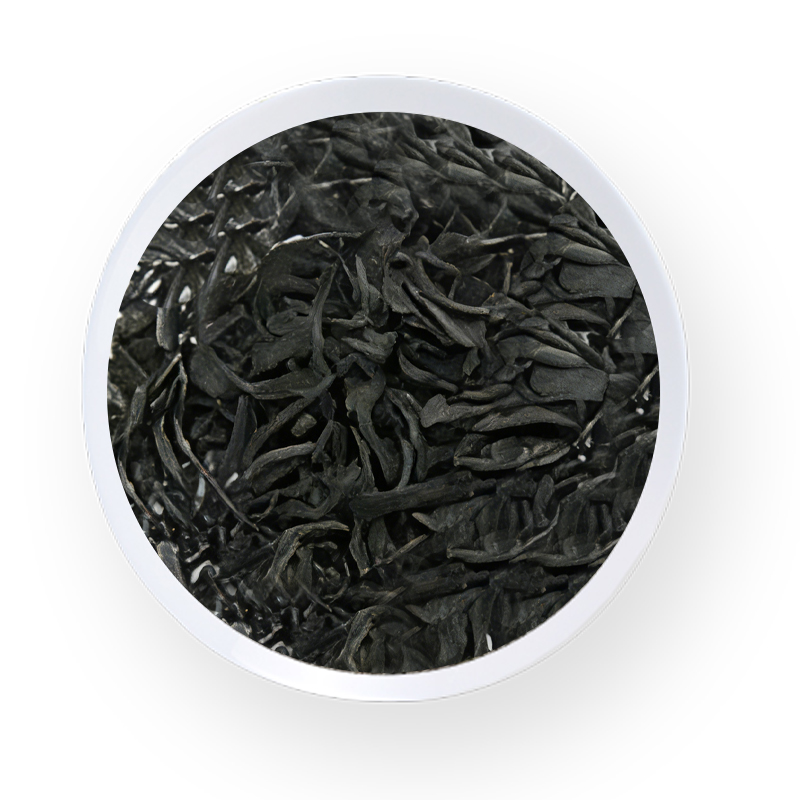
Chinese Original Green Tea Traditional Processing
Handcrafted methods passed down through generations
This tea is produced using a centuries-old processing methodology that has been preserved in the mountainous regions of Zhejiang and Anhui provinces. The entire production chain, from plucking to final drying, follows manual or semi-manual techniques that have been documented in local tea annals dating back to the Ming Dynasty. The process emphasizes minimal mechanical intervention, relying instead on the skilled judgment of master tea artisans who adjust each step based on ambient conditions, leaf quality, and the desired flavor profile. The result is a green tea that exhibits the complex, layered characteristics that mass-produced teas cannot replicate. Every batch is accompanied by a processing record that documents the specific parameters applied during each stage.
Processing Sequence
Hand Plucking
Leaves are picked by hand between 5:30 and 8:00 AM, selecting one bud with two to three leaves. Only leaves that have reached 80 to 90 percent of their full size are chosen. The plucking standard is maintained by experienced pickers who are trained to identify the optimal leaf maturity.
Natural Withering
Spread in thin layers on bamboo trays for 4 to 6 hours under shade. Leaves are turned every hour to ensure even moisture loss. Withering continues until leaf moisture content drops from 78 percent to approximately 68 percent. This stage develops the foundational aroma compounds.
Traditional Pan-Firing
Performed in a cast-iron wok heated to 280 to 300 degrees Celsius. The tea master tosses the leaves continuously using both hands for 5 to 7 minutes. This step deactivates oxidative enzymes and sets the green color. The temperature is adjusted throughout based on the sound and feel of the leaves.
Hand Rolling
Leaves are rolled on a bamboo mat using a pressing and twisting motion. This process shapes the leaves into their characteristic twisted form and begins the breakdown of cell walls to release internal compounds. Rolling lasts 10 to 15 minutes with gradually increasing pressure.
First Drying
Leaves are spread in a bamboo basket and placed over a charcoal fire at 70 to 80 degrees Celsius. This initial drying reduces moisture to 30 to 35 percent over 20 to 25 minutes. The leaves are periodically turned to prevent scorching and ensure uniform moisture distribution.
Second Rolling
A lighter rolling session follows the first drying. This step further refines the leaf shape and releases additional aromatic oils. The pressure is reduced compared to the initial rolling, lasting 8 to 10 minutes.
Final Drying
Conducted at 50 to 60 degrees Celsius for 30 to 40 minutes until moisture content reaches 5.5 to 6.0 percent. This low-temperature stage preserves volatile compounds while ensuring the tea is stable for storage. The leaves are cooled gradually to room temperature before packaging.
Core Advantages of Traditional Processing
Flavor Complexity
The multi-stage drying and rolling process creates a layered flavor profile with distinct front, middle, and finish notes that develop with each infusion.
Extended Shelf Life
The controlled low-moisture drying and absence of mechanical damage result in a product that maintains its characteristics for up to 24 months under proper storage conditions.
Artisanal Quality Control
Each step is monitored by a tea master who makes real-time adjustments based on visual, tactile, and olfactory cues. This adaptability cannot be replicated by automated systems.
Preservation of Terroir
Minimal mechanical intervention ensures that the natural characteristics of the leaf, including mineral content and volatile profile, are faithfully represented in the final product.
Product Characteristics
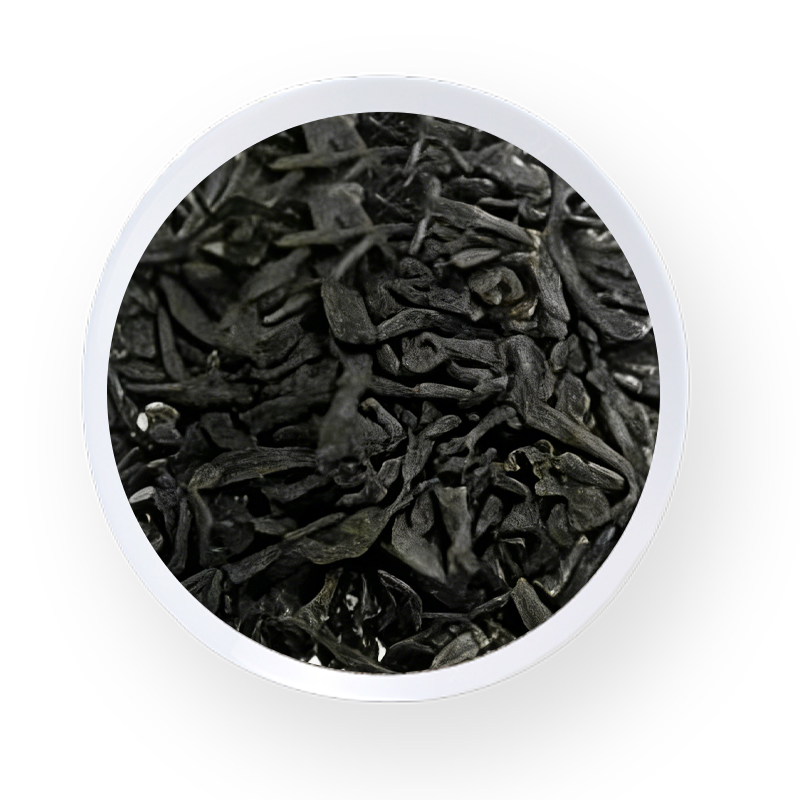
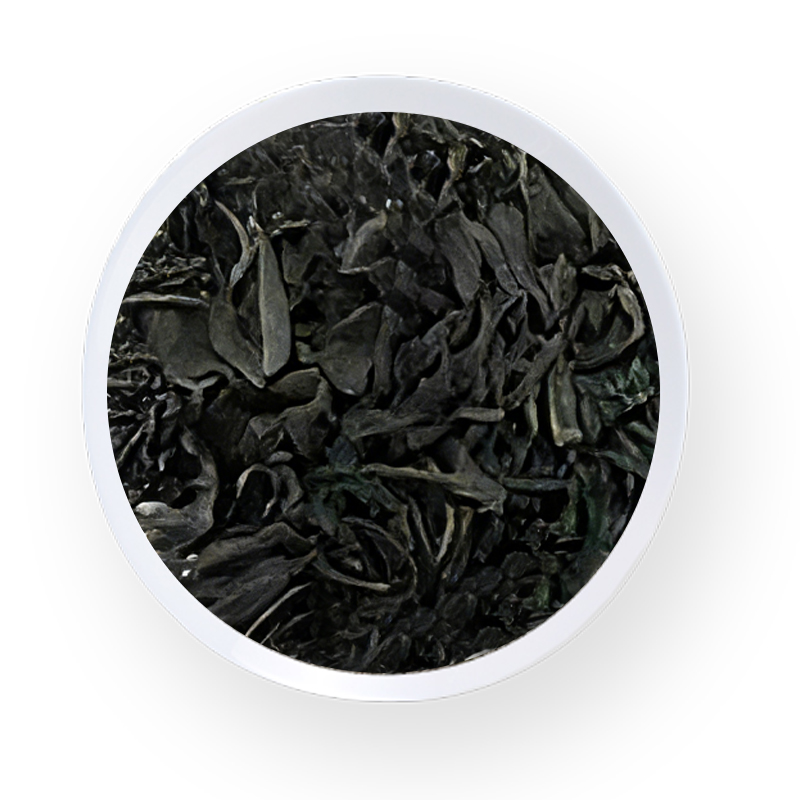
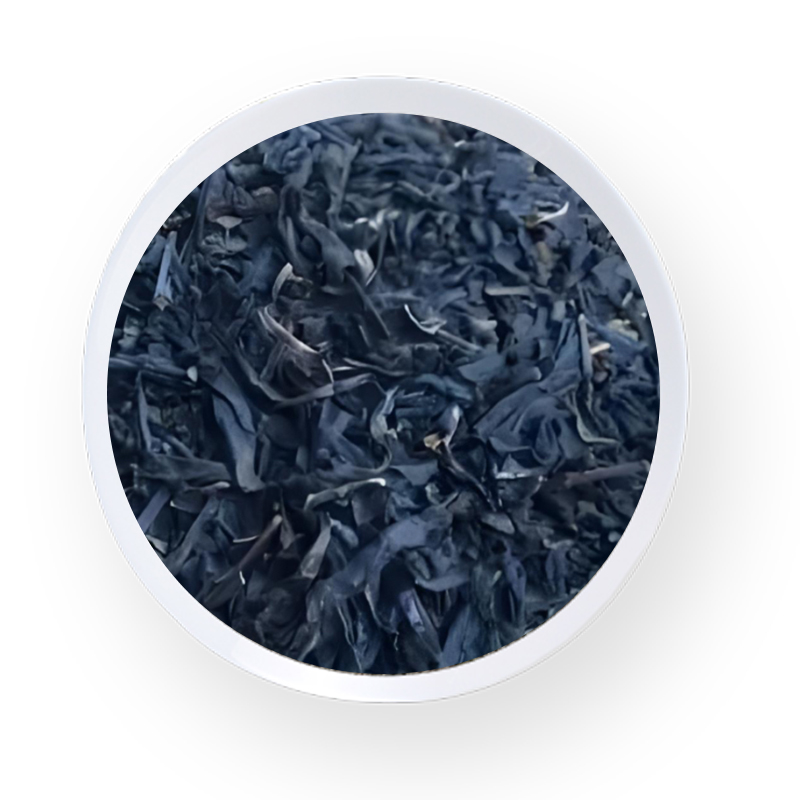
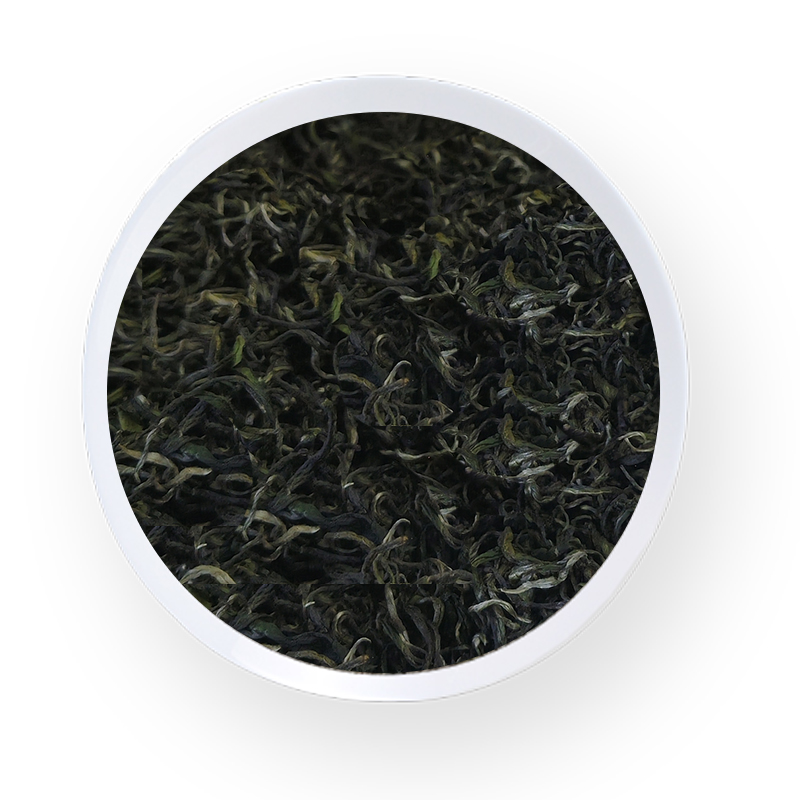
| Leaf appearance | Twisted, dark-green strips with a slight sheen, occasional silver tips, length 2 to 3 centimeters |
|---|---|
| Dry leaf aroma | Pronounced nutty and vegetal notes with hints of toasted grain |
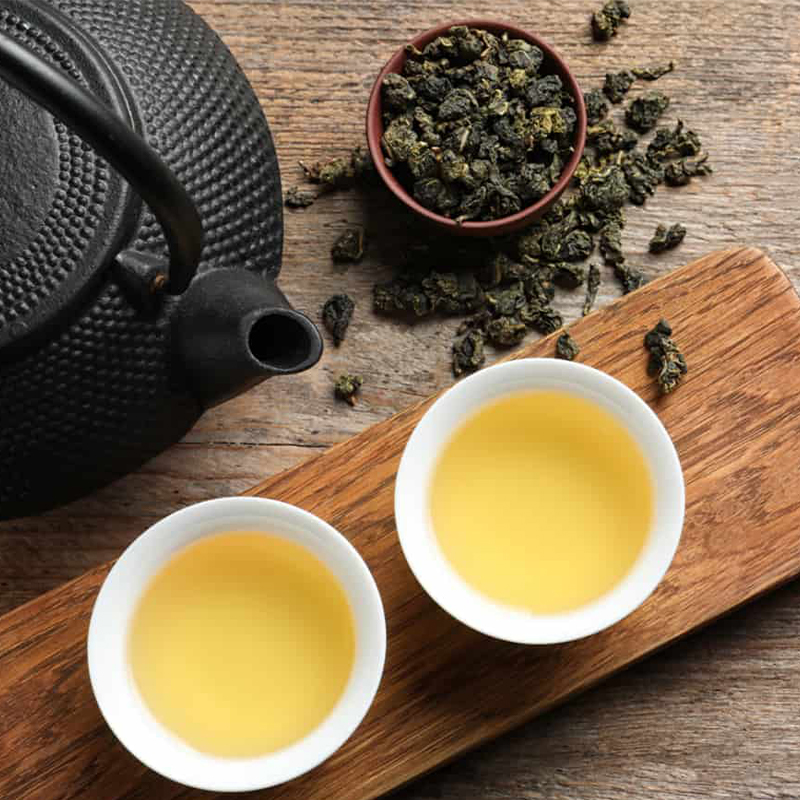
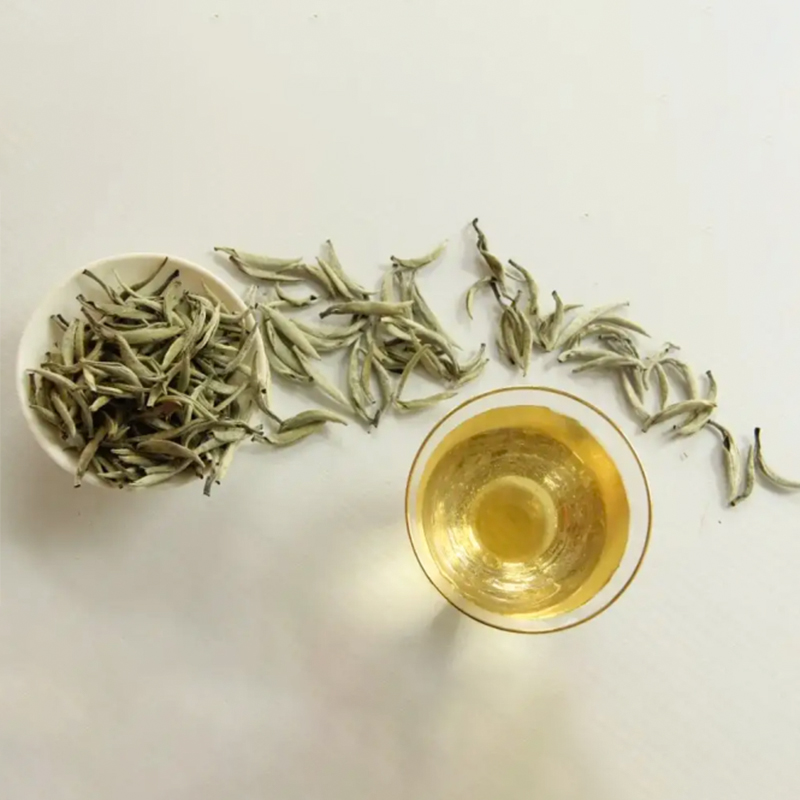
| Infusion color | Bright pale green, clear without cloudiness |
| Liquor aroma | Roasted chestnut, fresh grass, and a subtle seaweed note |
| Taste profile | Medium-bodied, balanced astringency, sweet finish, umami undertone |
| Aftertaste | Sweet and refreshing, lasting 30 to 40 seconds |
| Steeping resilience | Maintains flavor through 3 to 4 infusions |
Application Scenarios
Traditional Tea Ceremonies
Suitable for gongfu cha and other formal brewing methods where the evolution of flavor across multiple steeps is appreciated.
Daily Consumption
Brewed in a glass mug or porcelain pot at 80 to 85 degrees Celsius for 2 to 3 minutes. Provides a consistent and satisfying daily cup.
Cultural Exhibitions
Used in tea tastings and cultural events to demonstrate traditional Chinese tea processing and brewing techniques.
Gift and Specialty Retail
Packaged in traditional canisters with processing documentation, this tea appeals to consumers interested in authentic, heritage products.
Frequently Asked Questions and Solutions
| Processing variations between batches | Traditional processing naturally yields slight batch-to-batch variations due to weather and leaf conditions. Our master tea maker documents each batch with specific parameters, and we grade batches to ensure consistency within each production lot. |
|---|---|
| Tea tastes different from previous purchase | Seasonal variations are inherent to traditional processing. Spring harvests tend to be more delicate, while summer harvests have more body. We provide harvest date and origin information on each package for reference. |
| Drying method affects storage | Charcoal-dried tea requires careful storage away from moisture. Use an airtight container and store in a cool, dry place. The natural drying process creates micro-pores that can absorb humidity more readily than machine-dried tea. |
| Leaves appear uneven in size |
Processing Parameters Summary
| Step | Duration | Temperature or condition | Moisture target |
|---|---|---|---|
| Withering | 4 to 6 hours | 22 to 24 degrees Celsius, shade | 68 percent |
| Pan-firing | 5 to 7 minutes | 280 to 300 degrees Celsius | 45 to 50 percent |
| First rolling | 10 to 15 minutes | Room temperature | 45 to 50 percent |
| First drying | 20 to 25 minutes | 70 to 80 degrees Celsius | 30 to 35 percent |
| Second rolling | 8 to 10 minutes | Room temperature | 30 to 35 percent |
| Final drying | 30 to 40 minutes | 50 to 60 degrees Celsius | 5.5 to 6.0 percent |
Storage recommendation: Store in a cool, dark place at 15 to 20 degrees Celsius with relative humidity below 60 percent. Use an airtight container made of ceramic, tin, or glass. Avoid storing near strong-smelling items as the tea absorbs odors easily. For long-term storage beyond 6 months, refrigeration at 4 degrees Celsius is recommended. Allow the tea to reach room temperature before opening the container to prevent condensation.

 Our Phone
 E-mail
 Our Address