

 English
  Français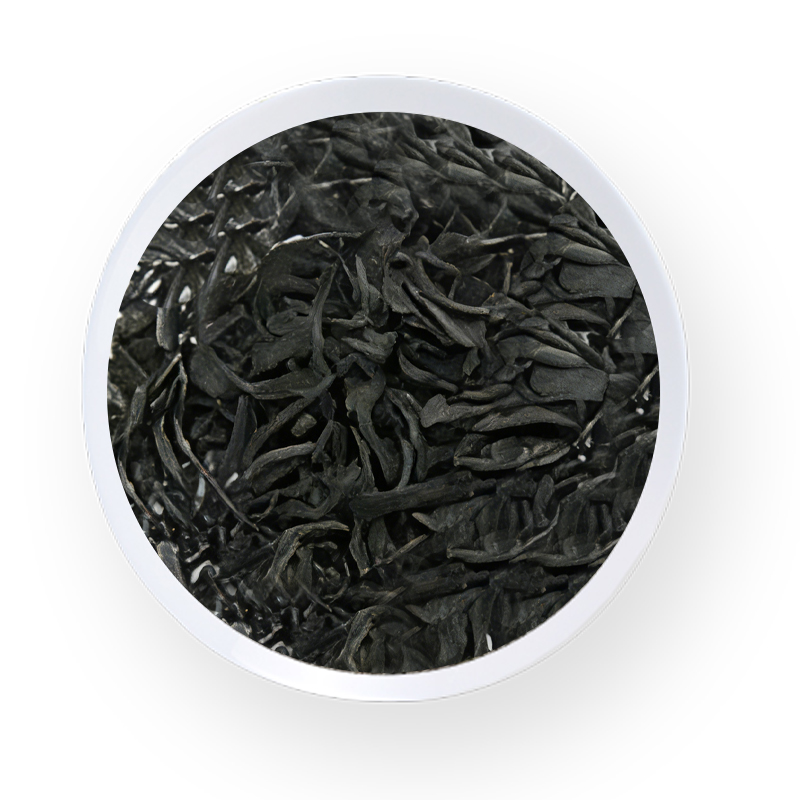
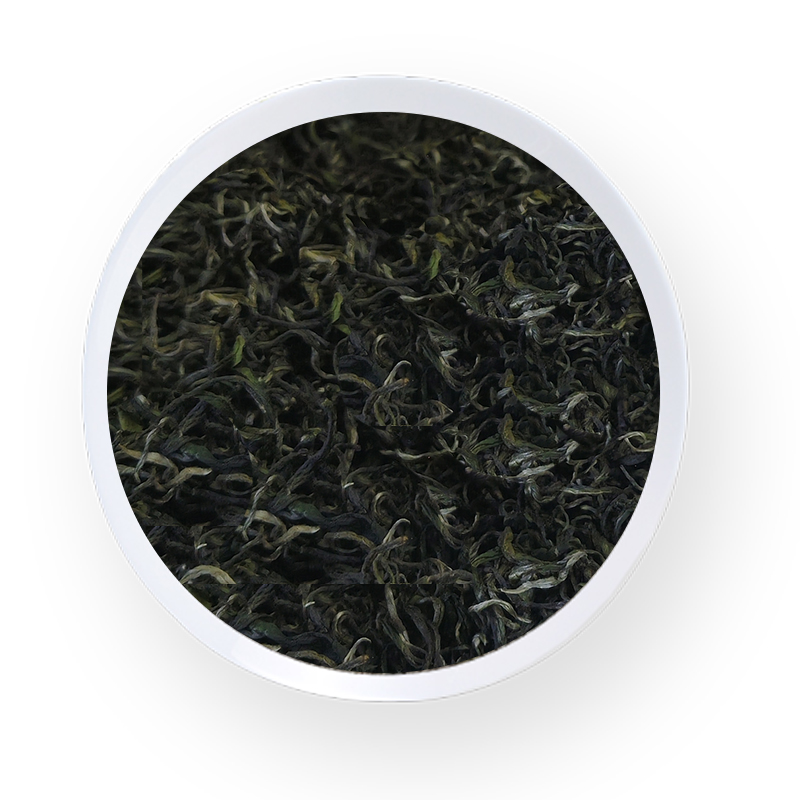
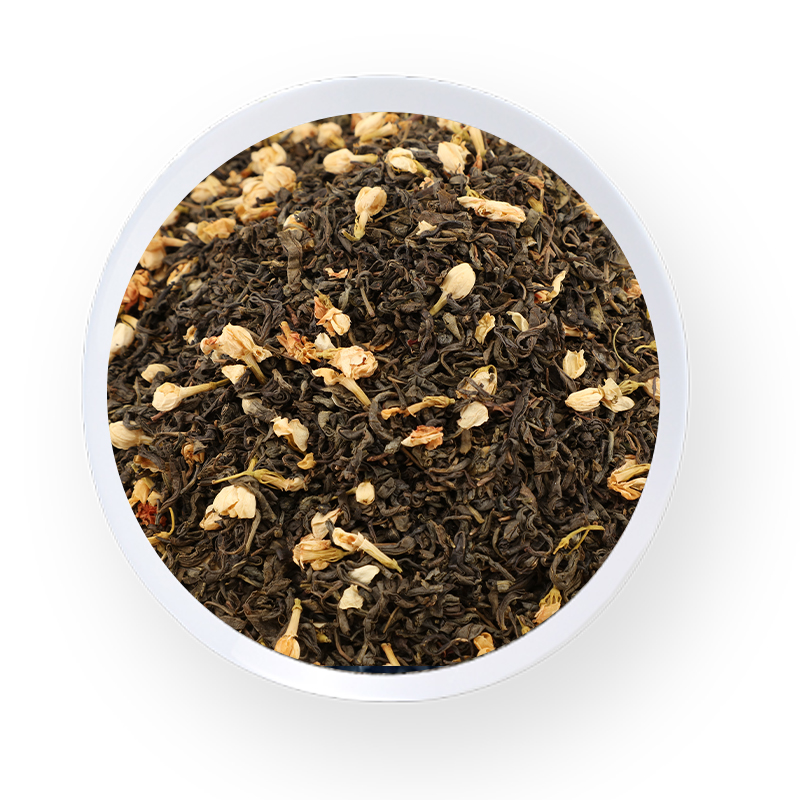
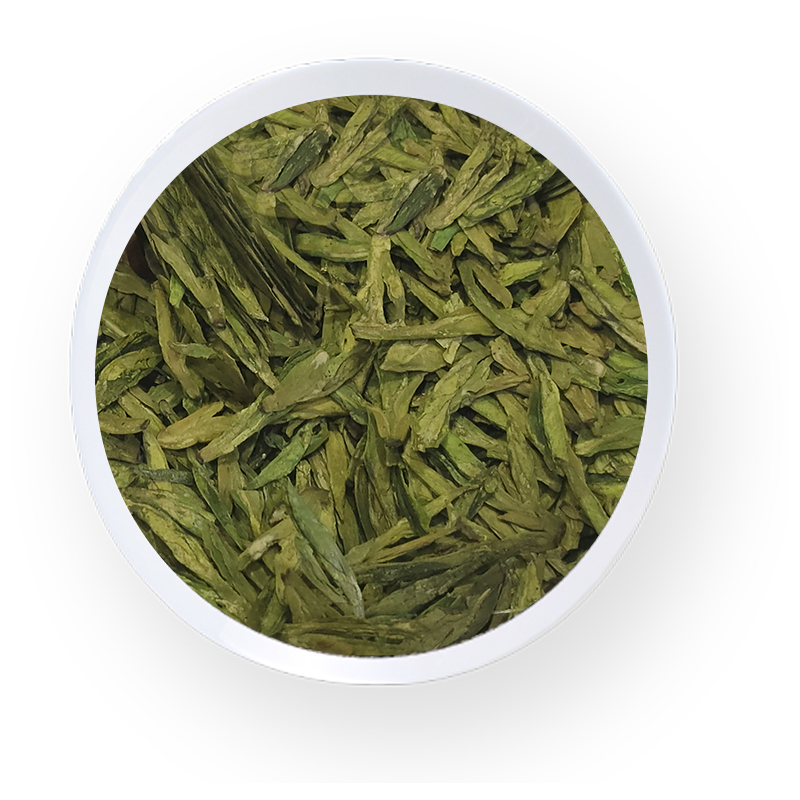
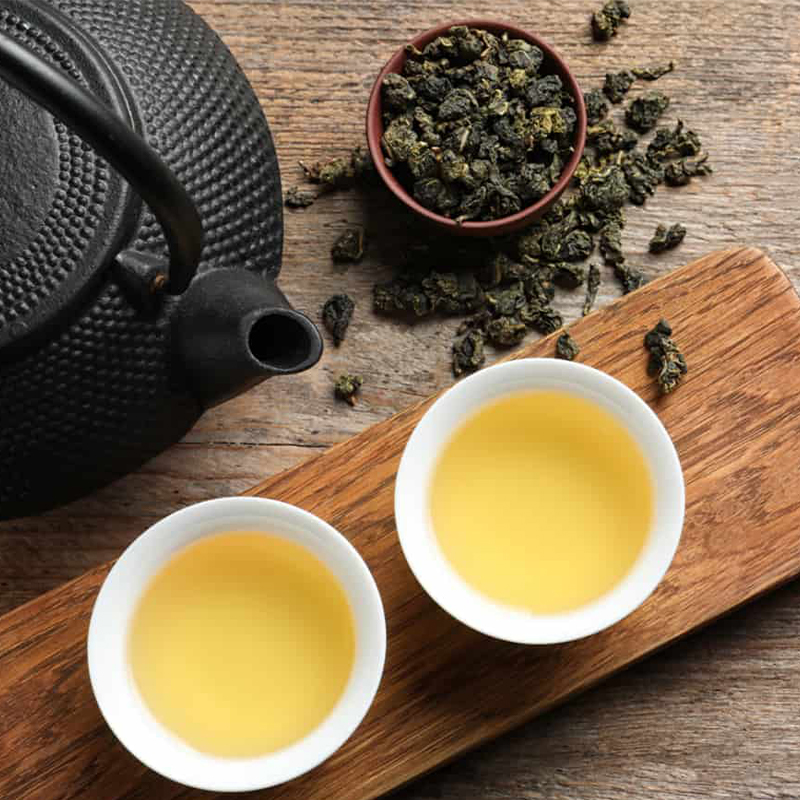
Chinese Original Green Tea Non Fermented Tea
Zero oxidation Enzyme-inactivated Fresh leaf character preserved
This tea is produced using a process that entirely prevents enzymatic oxidation, distinguishing it from semi-fermented oolong or fully fermented black teas. Immediately after plucking, the fresh leaves are subjected to high-temperature pan-firing, which deactivates the polyphenol oxidase enzymes responsible for oxidation. This step, known as fixation, is applied within 90 minutes of harvest to ensure that the leaf's natural chemical composition remains unchanged. The result is a tea that retains the green color, fresh vegetal aroma, and high antioxidant content of the fresh leaf. The non-fermented classification means this tea undergoes no oxidation stage whatsoever, preserving the original character of the tea plant in its most natural state.
Core Advantages
- Zero oxidation ensures maximum retention of catechins, chlorophyll, and other phytochemicals.
- Enzyme inactivation occurs within 90 minutes of plucking, preventing any degradation of fresh leaf compounds.
- High antioxidant capacity remains intact due to the absence of oxidative breakdown.
- Distinctive fresh, grassy aroma that is characteristic of non-fermented green tea.
- Light, clean taste with no fermented or earthy notes.
- Longer shelf life compared to fermented teas when stored properly.
Product Characteristics
- Oxidation level: 0 percent, confirmed by polyphenol oxidase activity test.
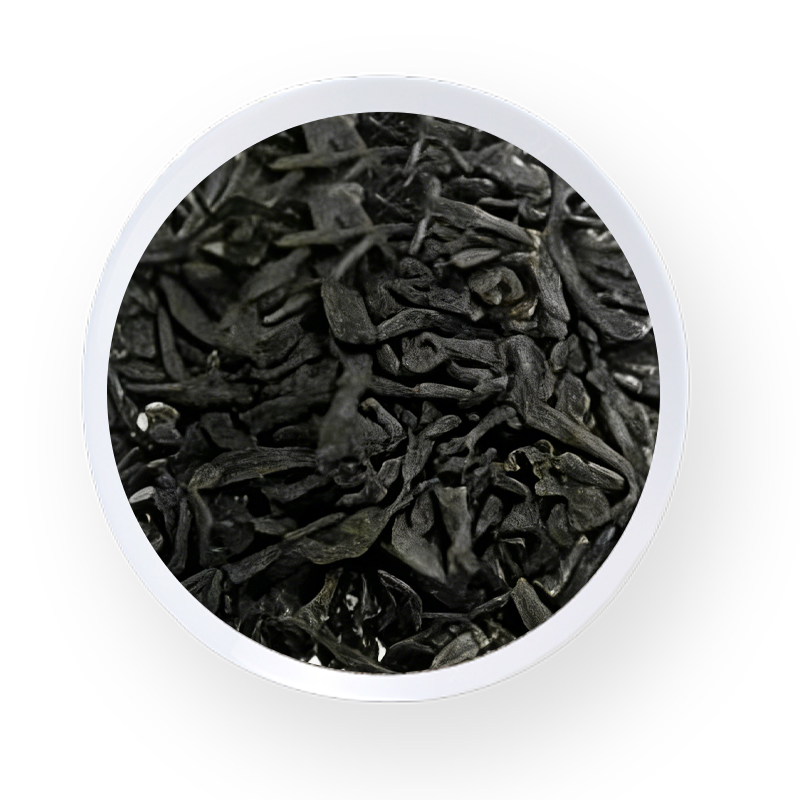
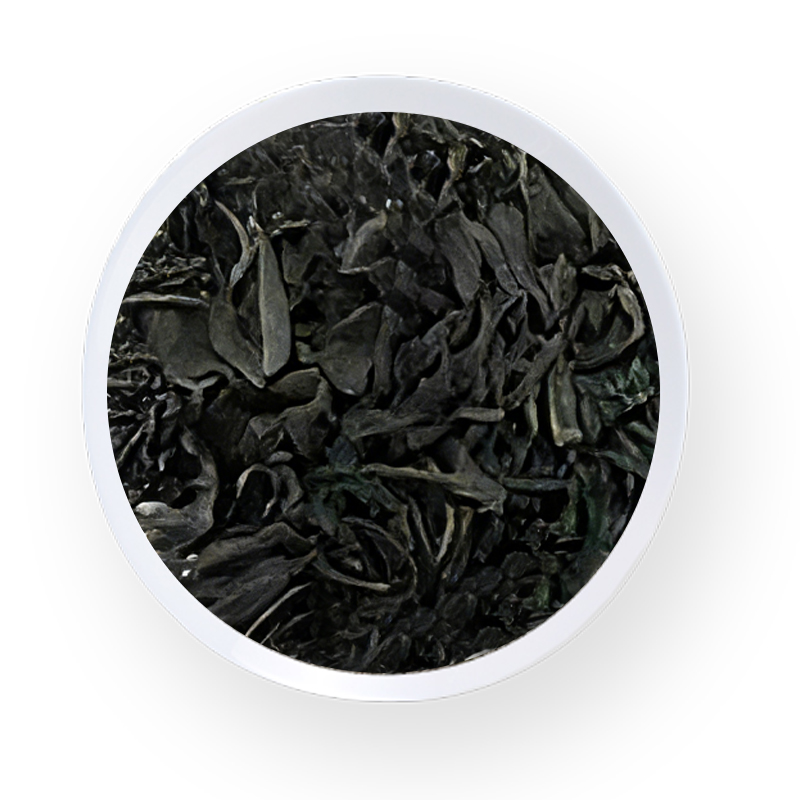
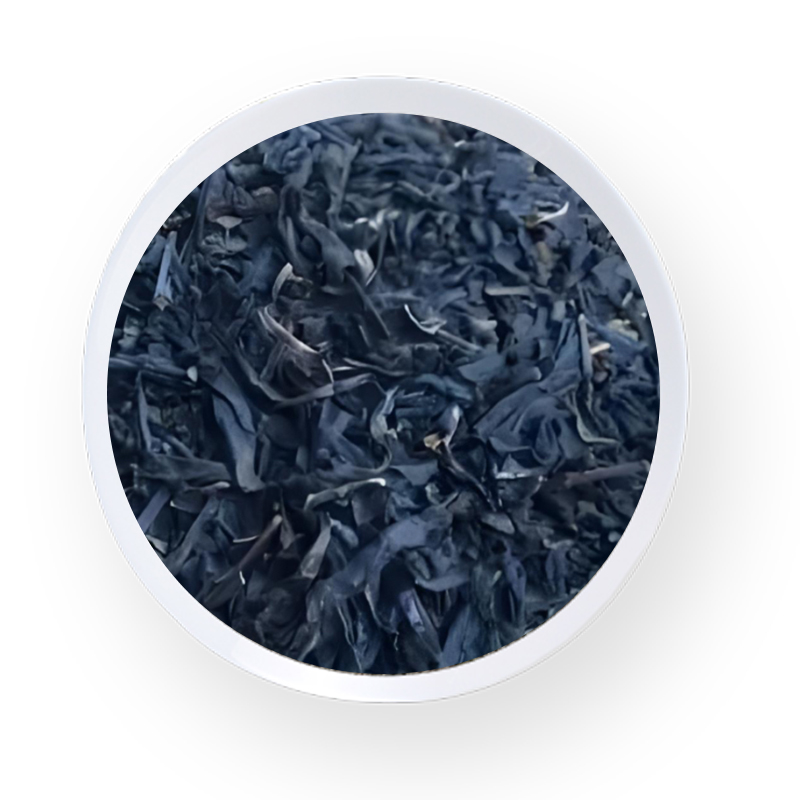
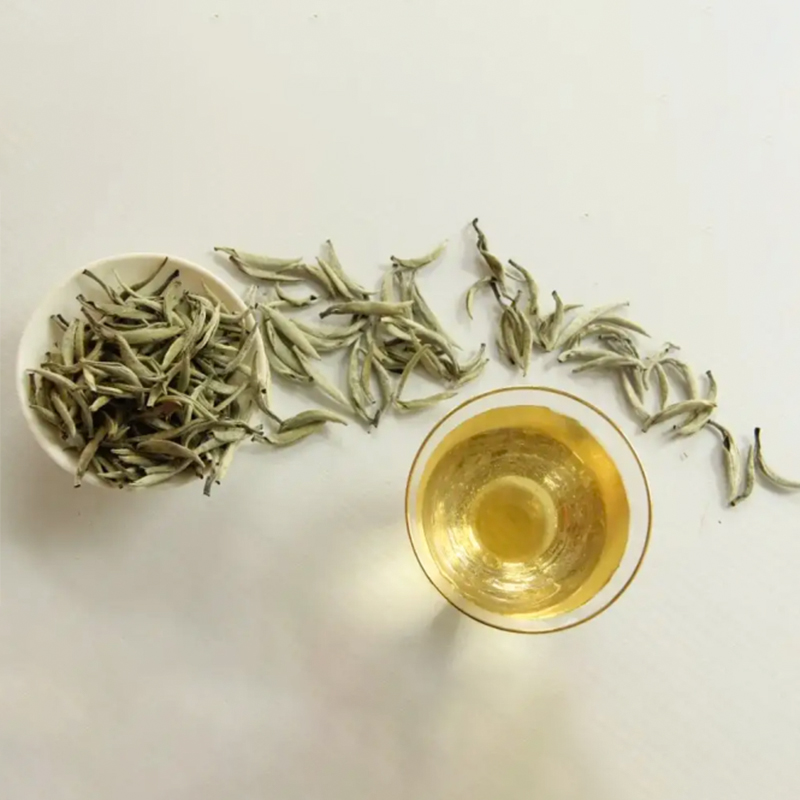
- Leaf appearance: Bright green, intact, with a natural glossy surface.
- Dry aroma: Fresh, grassy, with a clean vegetal scent.
- Liquor color: Bright greenish-yellow, clear.
- Infusion aroma: Fresh cut grass, steamed greens, light seaweed note.
- Taste profile: Clean, crisp, moderately astringent, sweet finish.
- Body: Medium-light, refreshing.
- Aftertaste: Clean, short, with a lingering fresh sensation.
Oxidation Control Parameters
Processing Steps for Non-Fermented Tea
Immediate Fixation
Fresh leaves are placed in a heated wok within 90 minutes of plucking. The high temperature rapidly denatures oxidative enzymes.
No Withering Stage
Unlike oolong or black tea, green tea production skips the withering phase entirely. Leaves go directly from plucking to fixation.
Low Moisture Drying
After fixation, leaves are rolled and dried to 5.5 to 6.0 percent moisture. This low moisture content prevents any post-processing oxidation.
Rapid Cooling
Leaves are cooled quickly after each heating step to prevent residual heat from initiating slow oxidation.
Application Scenarios
- Health and wellness: Consumers seeking maximum antioxidant intake prefer non-fermented green tea.
- Daily refreshment: The clean, crisp taste works well as a daily beverage for those who enjoy fresh flavors.
- Tea education: Used to demonstrate the difference between fermented and non-fermented teas.
- Culinary applications: The fresh flavor pairs well with light seafood and vegetable dishes.
- Extract production: The high catechin content makes it suitable for natural extract manufacturing.
Brewing Recommendations
- Water temperature: 80 to 85 degrees Celsius
- Leaf to water ratio: 3 grams per 180 milliliters
- First steep: 2 minutes
- Second steep: 2.5 minutes
- Third steep: 3 minutes
- Vessel: Glass mug, porcelain gaiwan, or ceramic pot
Frequently Asked Questions and Solutions
| What does non-fermented mean | Non-fermented means the tea has undergone zero enzymatic oxidation. The leaves are heated immediately after plucking to stop all oxidative processes, preserving the fresh leaf characteristics. |
|---|---|
| Is this tea raw or unprocessed | No. While it is non-fermented, the tea has been fully processed through fixation, rolling, and drying. It is ready for consumption and not a raw agricultural product. |
| How does this differ from semi-fermented tea | Semi-fermented teas like oolong undergo controlled oxidation after withering. This tea has zero oxidation, resulting in a lighter color, fresher taste, and higher antioxidant levels. |
| Does non-fermented mean no caffeine | No. Caffeine content is similar to other green teas at approximately 2.2 percent. The term refers only to oxidation level. |
| Storage life compared to fermented teas | Properly stored non-fermented tea can maintain its quality for 18 to 24 months. It does not improve with age and is best consumed within the first year. |
Comparison with Other Tea Types
| Characteristic | Non-fermented Green | Semi-fermented Oolong | Fully Fermented Black |
|---|---|---|---|
| Oxidation level | 0 percent | 10 to 80 percent | 100 percent |
| Liquor color | Green-yellow | Golden to amber | Dark red to brown |
| Flavor profile | Fresh, grassy, crisp | Floral, fruity, roasted | Malty, bold, earthy |
| Antioxidant level | Highest | Moderate | Lowest |
| Typical steeping | 2 to 3 minutes | 3 to 5 minutes | 3 to 5 minutes |
Storage recommendation: To preserve the non-fermented character, store in an airtight container away from light, heat, and moisture. The high catechin content makes this tea susceptible to oxidation if exposed to air for extended periods. Ideal storage conditions are 15 to 18 degrees Celsius with relative humidity below 55 percent. Refrigeration is acceptable for long-term storage, but the container must be sealed and allowed to reach room temperature before opening.

 Our Phone
 E-mail
 Our Address