

 English
  Français
 Chun Mee Organic Green Tea: Taste, Benefits & Brewing
Chun Mee organic green tea is one of China's oldest and most recognisable green teas — a hand-rolled, eyebrow-shaped leaf from Jiangxi and Zhejiang provinces that delivers a distinctly tart, plum-like flavour unlike any other green tea in the world. Grown without synthetic pesticides or fertilisers under certified organic standards, it offers a clean, mineral-forward cup that has been prized by tea drinkers for more than three centuries. This guide covers everything from its flavour profile and health data to brewing precision and storage best practice.
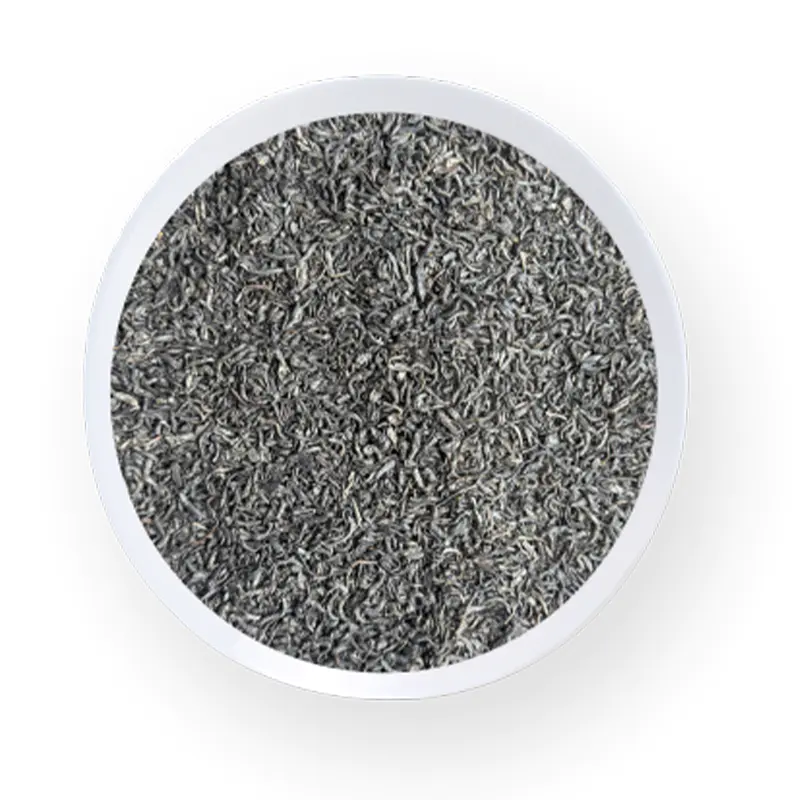
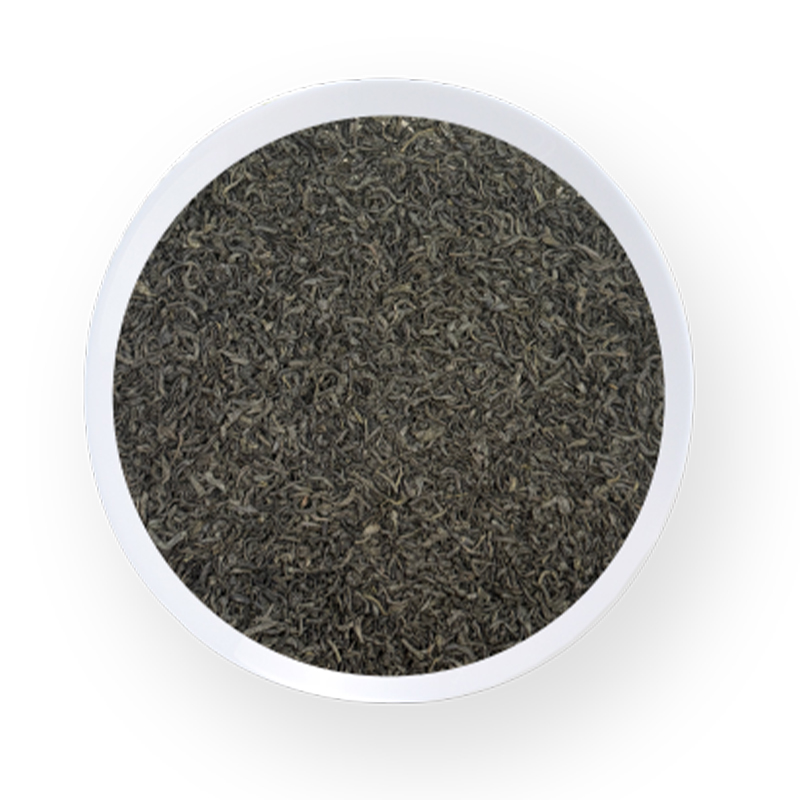
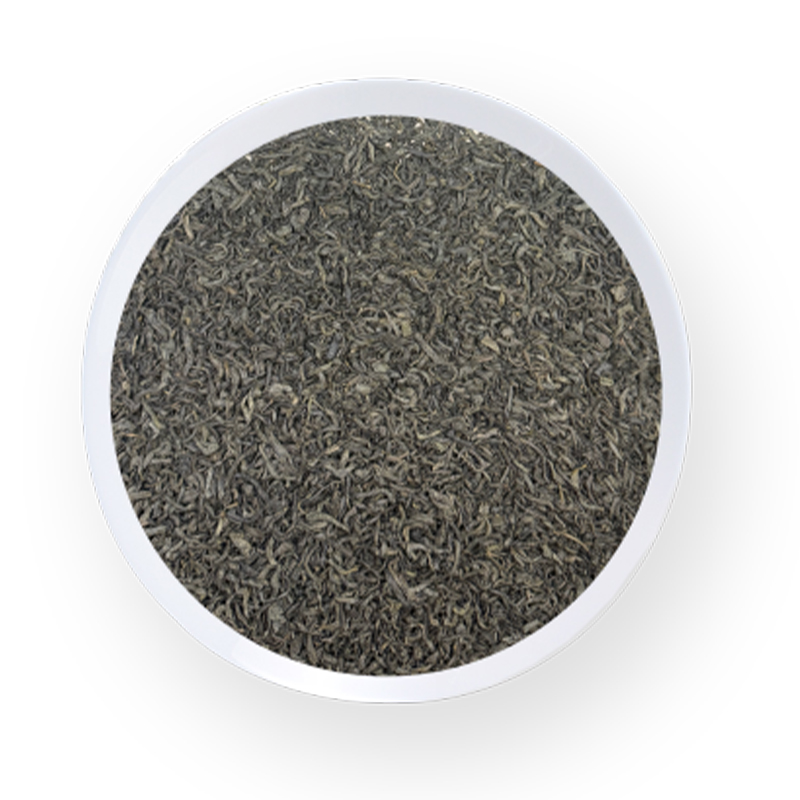
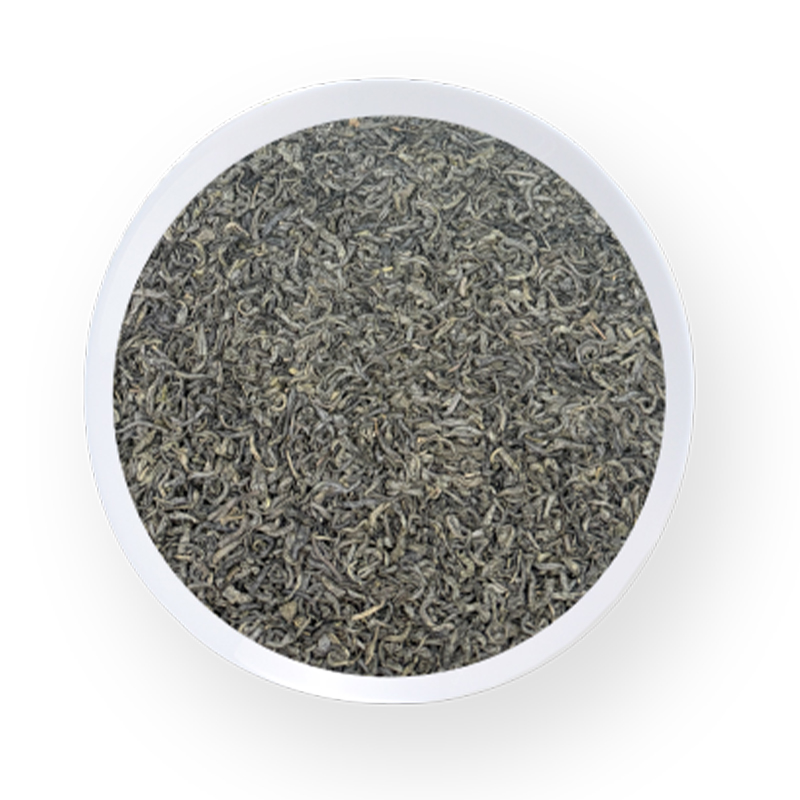
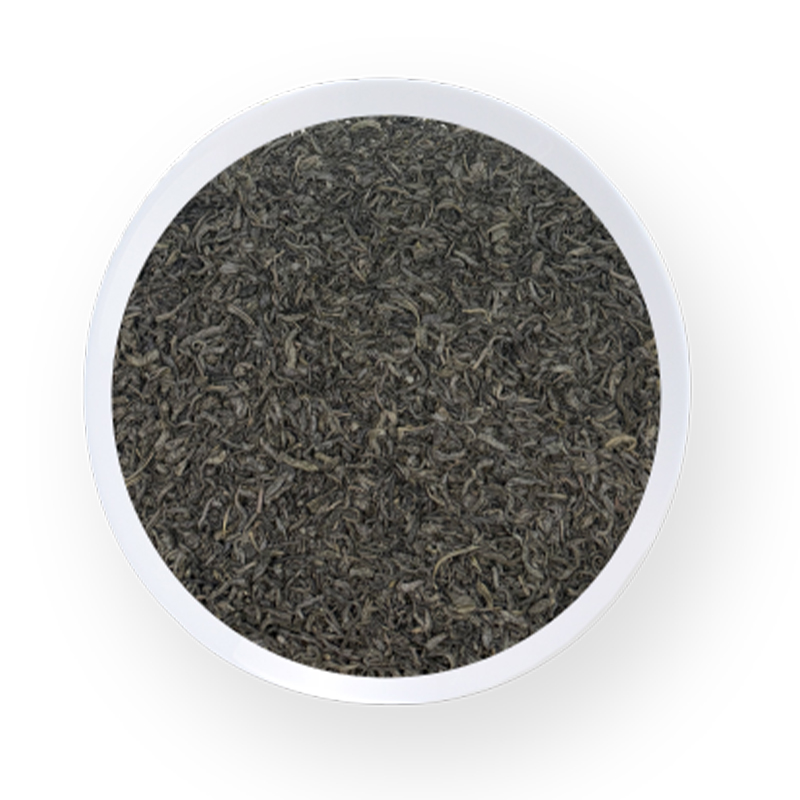
Chun Mee — literally "Precious Eyebrows" in Mandarin — is a pan-fired Chinese green tea characterised by tightly curved, grey-green leaves that resemble an eyebrow in shape. The organic designation means every stage of cultivation and processing is certified free from synthetic chemicals under EU Organic, USDA NOP, or equivalent standards.
How Chun Mee Tastes and How It Compares to Other Green Teas
Chun Mee organic green tea has a flavour profile that sets it apart from both Japanese and other Chinese green teas. Where Japanese sencha is grassy and vegetal, and Dragon Well (Longjing) is sweet and chestnut-like, Chun Mee delivers a dry, slightly tart finish with a natural plum or dried fruit undertone. The pan-firing process eliminates the grassy notes produced by steam-fixation, resulting in a cleaner, more mineral-forward cup.
| Tea Variety | Processing Method | Flavour Profile | Finish |
| Chun Mee | Pan-fired, hand-rolled | Tart, plum, mineral | Dry, clean |
| Sencha (Japan) | Steamed | Grassy, marine, umami | Slightly astringent |
| Dragon Well (Longjing) | Pan-fired, flat-pressed | Sweet, chestnut, buttery | Smooth, lingering |
| Gunpowder Green | Pan-fired, tightly rolled | Robust, smoky, earthy | Bold, slightly bitter |
| Bi Luo Chun | Pan-fired, spiral-rolled | Floral, fruity, delicate | Sweet, light |
Health Benefits of Drinking Chun Mee Organic Green Tea Daily
Chun Mee organic green tea delivers a clinically meaningful polyphenol dose in every cup. A 240ml serving brewed at 80 degrees Celsius for 3 minutes yields approximately 150 to 200mg of catechins, with EGCG (epigallocatechin gallate) accounting for 50 to 60% of that total — the catechin most extensively studied for cardiovascular and metabolic benefits.
Cardiovascular Support
A 2020 meta-analysis in the European Journal of Preventive Cardiology, covering 1.1 million participants, found that drinking 3 or more cups of green tea daily was associated with a 21% lower risk of ischaemic heart disease. The EGCG in Chun Mee inhibits LDL oxidation and reduces arterial inflammation.
Metabolic and Weight Management
Green tea catechins combined with caffeine have been shown in randomised controlled trials to increase resting energy expenditure by 4 to 5% and fat oxidation by up to 17% compared to placebo. Chun Mee's moderate caffeine content makes it suitable for twice-daily consumption without disrupting sleep when consumed before 3pm.
Cognitive Clarity
The combination of L-theanine and caffeine in green tea produces a state of alert calm measurably different from caffeine alone. EEG studies at Unilever Research (2008) found significantly higher alpha-wave activity — associated with relaxed focus — in participants consuming 200mg L-theanine alongside 160mg caffeine versus caffeine in isolation.
Antioxidant Load and Cellular Protection
Organic certification removes pesticide residue as a confounding variable, ensuring that the antioxidant ORAC value of Chun Mee — approximately 1,250 micromoles TE per gram of dry leaf — is delivered without chemical interference. This is 10 times the antioxidant capacity of blueberries by equivalent dry weight.
How Chun Mee Organic Green Tea Is Processed and What Makes It Certified Organic
Chun Mee production follows a precise sequence of steps that distinguishes it from both machine-processed teas and other artisan Chinese greens. Organic certification adds a layer of third-party verification that governs every input from soil amendment to packaging material.
Harvesting
Leaves are hand-plucked in early spring — typically the first flush from late March to mid-April — selecting one bud and one to two leaves per shoot. Spring harvests contain higher concentrations of amino acids, including L-theanine, than summer or autumn pickings.
Pan-Firing (Sha Qing)
Fresh leaves are tossed in a wok heated to 260 to 280 degrees Celsius for 3 to 5 minutes. This step deactivates the polyphenol oxidase enzyme that causes oxidation, locking in the green colour and preventing the fermentation that produces black tea.
Rolling and Shaping
After firing, leaves are hand-rolled into the characteristic curved, eyebrow shape under gentle pressure, then dried at progressively lower temperatures. Rolling breaks cell walls slightly, enhancing the release of catechins and aromatic compounds during brewing.
Organic Certification Requirements
Certified organic Chun Mee requires a 3-year conversion period for the farm, annual inspection by an accredited certification body (such as CERES, BCS, or CCOF), and full documentation of all inputs including irrigation water quality, compost sources, and pest management records. No synthetic nitrogen fertilisers, herbicides, or pesticides are permitted at any stage.
Caffeine Content in Chun Mee Green Tea and Its Effect
Chun Mee organic green tea contains 25 to 40mg of caffeine per 240ml cup brewed at standard parameters — roughly one-third the caffeine of a standard espresso shot (60 to 70mg) and approximately half that of drip coffee. This positions it as a moderate-stimulant beverage suitable for daily consumption without the anxiety or sleep disruption associated with higher-caffeine alternatives.
Best Brewing Method for Chun Mee Organic Green Tea
Chun Mee's characteristic tartness intensifies sharply with water temperature above 85 degrees Celsius or steep times beyond 3 minutes. Precise brewing is not optional — it is the difference between a bright, balanced cup and an astringent, undrinkable one.
Optimal Parameters
- Water temperature: 75 to 80 degrees Celsius
- Leaf-to-water ratio: 2g per 150ml
- First steep: 2 minutes
- Second steep: 2.5 minutes (same leaves)
- Third steep: 3 minutes (flavour noticeably lighter)
- Vessel: glass or unglazed clay gaiwan preferred
Common Brewing Mistakes
- Boiling water (100 degrees C) scorches leaves and produces harsh bitterness
- Steeping longer than 4 minutes releases excess tannins
- Using chlorinated tap water suppresses delicate plum aromatics
- Covering the cup traps steam and over-extracts the leaf
- Discarding first steep — the rinse step wastes flavour, not a requirement for Chun Mee
How to Store Chun Mee Organic Green Tea for Maximum Freshness
Chun Mee organic green tea is more vulnerable to flavour degradation than oxidised teas because its active aromatic compounds and catechins are in their original, unprotected state. Four environmental factors destroy freshness: oxygen, moisture, heat, and light. Controlling all four extends drinkable shelf life from 6 months to 18 months or longer.
Oxygen
Store in an airtight container — vacuum-sealed foil pouches or double-lidded tins. Each time the container is opened, nitrogen-flush if possible or minimise air contact time. Oxygen triggers lipid oxidation that turns fresh green tea stale and flat within weeks.
Moisture
Keep below 60% relative humidity. Never store near a kettle, sink, or dishwasher. A silica gel sachet placed inside the storage tin absorbs ambient moisture. Wet Chun Mee leaves develop mould within 48 hours and cannot be rescued.
Heat
Ideal storage temperature is 5 to 15 degrees Celsius. A refrigerator works well if the container is hermetically sealed — temperature cycling between fridge and room causes condensation inside a poorly sealed tin. Freezing is appropriate only for long-term storage of unopened packages beyond 6 months.
Light
UV radiation degrades chlorophyll and catechins, yellowing the leaf and reducing both colour and antioxidant content. Store in an opaque tin or dark cupboard away from windows. Glass jars — even tinted ones — are inadequate for long-term storage without a dark enclosure.
 We sincerely welcome customers from all over the world to visit us and seek common
development and create brilliant future.
We sincerely welcome customers from all over the world to visit us and seek common
development and create brilliant future.
Contact BAODA
 Our Phone
+86-15386682887
+86-13857173531
 E-mail
[email protected]
[email protected]
[email protected]
 Our Address
Room 1601, Building 2, New Town Times Square, 189 Fengqi East Road, Hangzhou, Zhejiang Province, China.
Inquiry Us Now
Copyright © Hangzhou Baoda Tea Co., Ltd. All Rights Reserved
Wholesale China Premium Green Tea Company
