

 English
  Français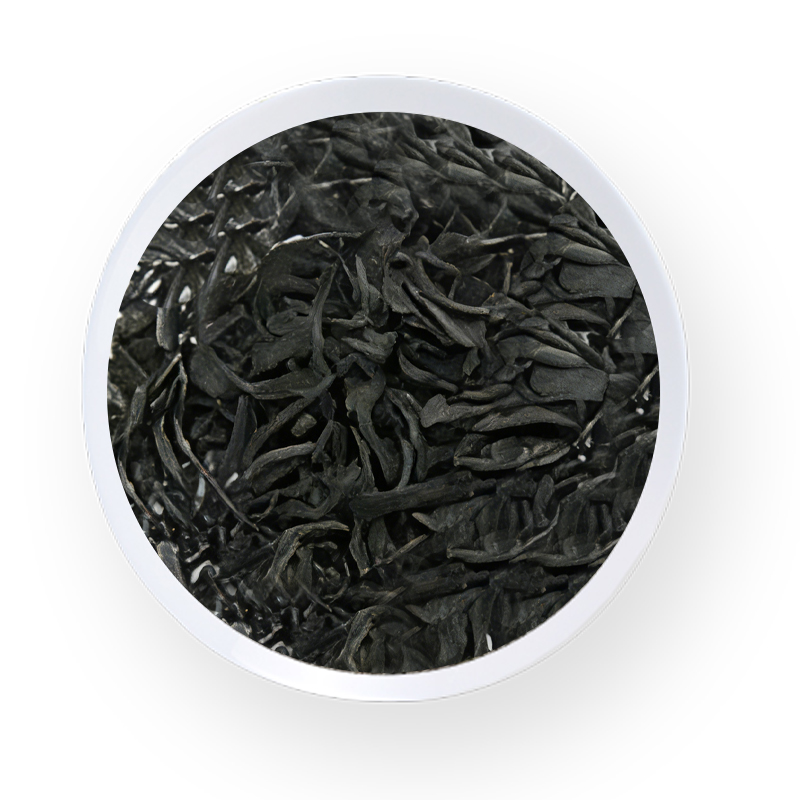
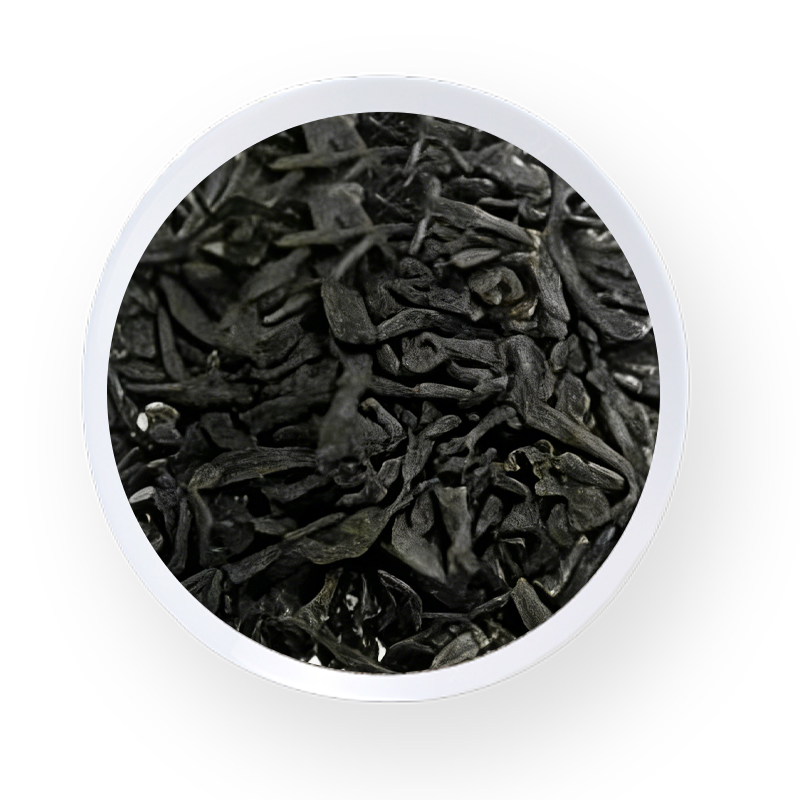
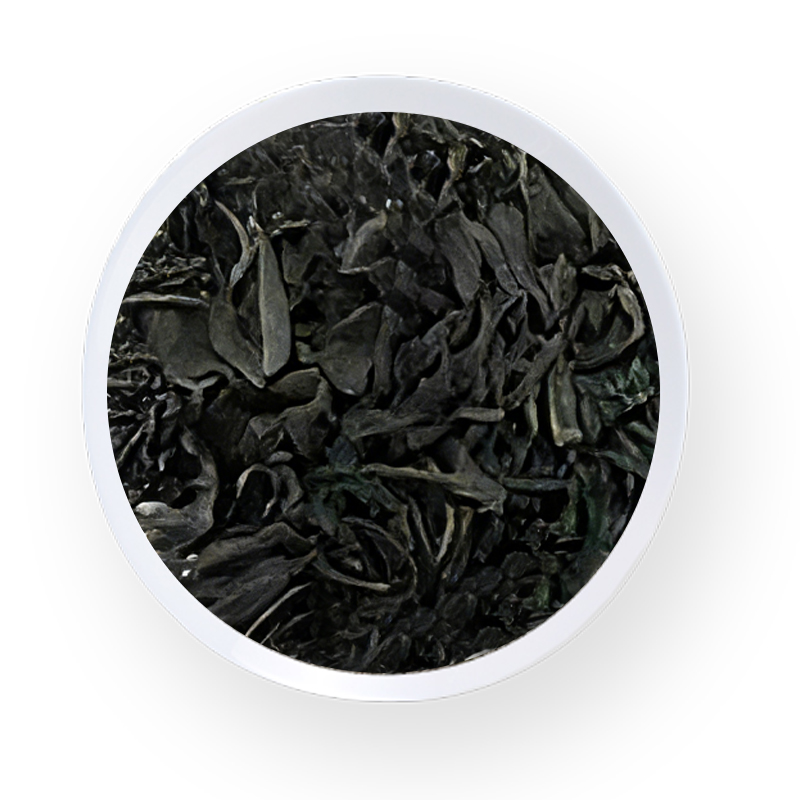
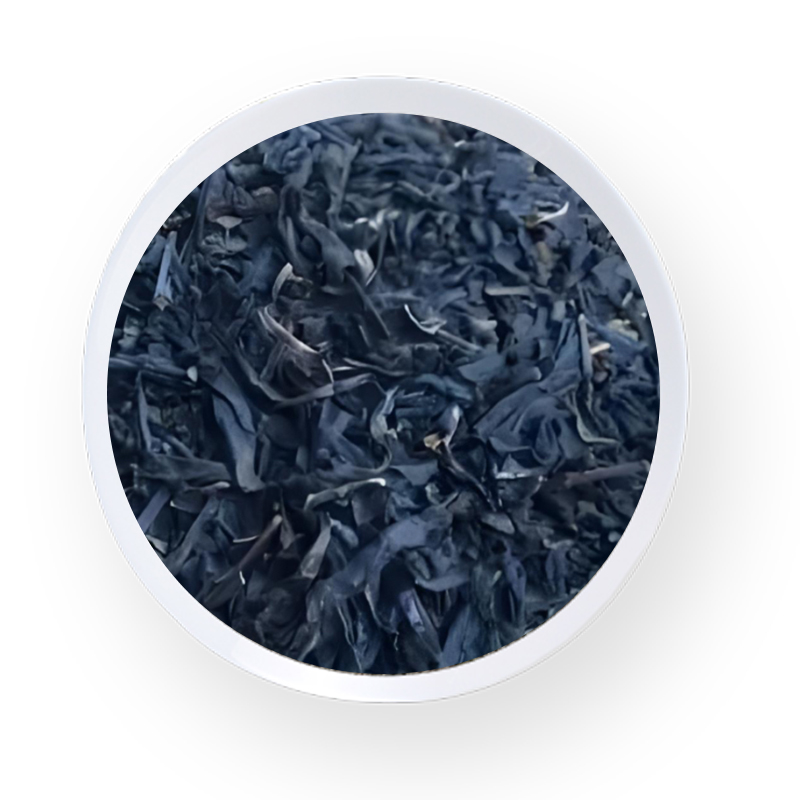
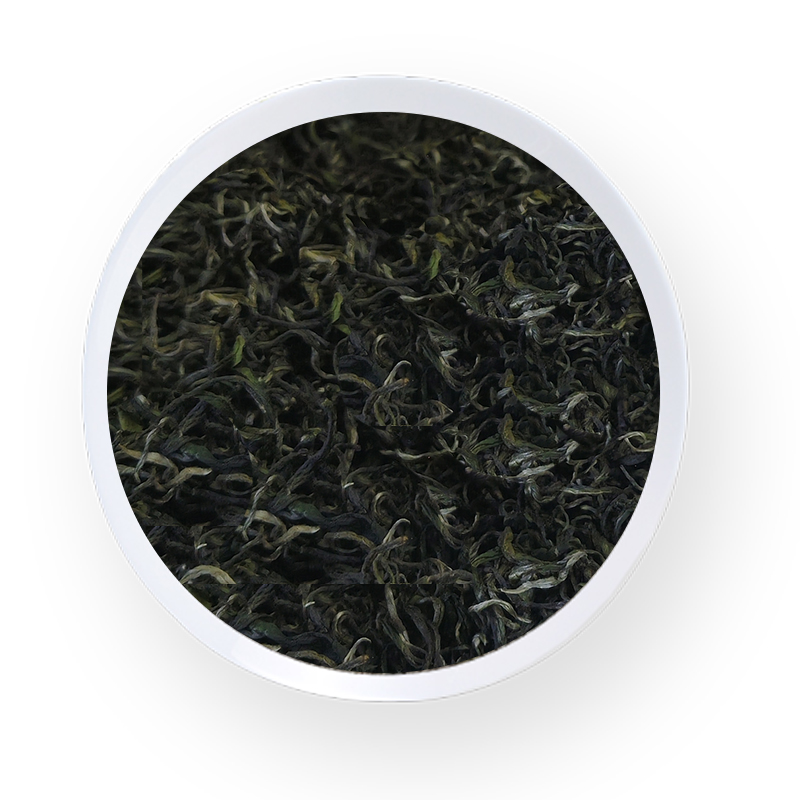
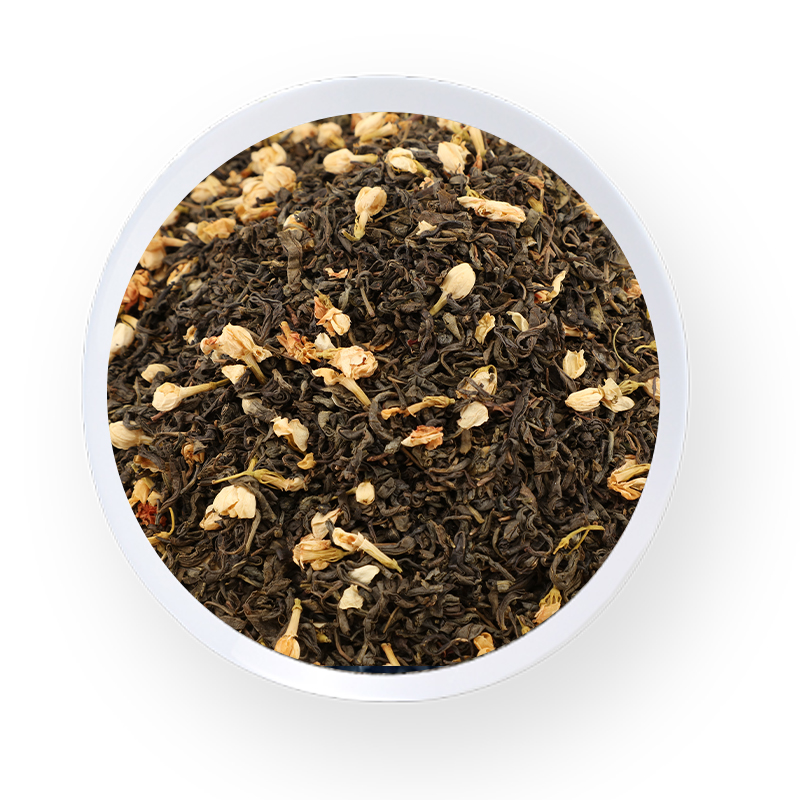
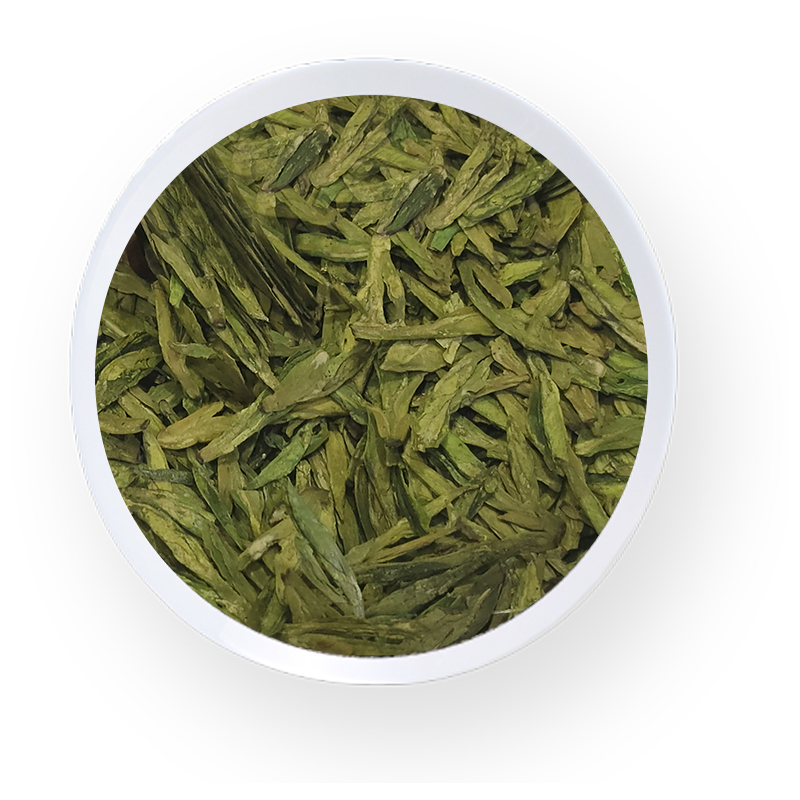
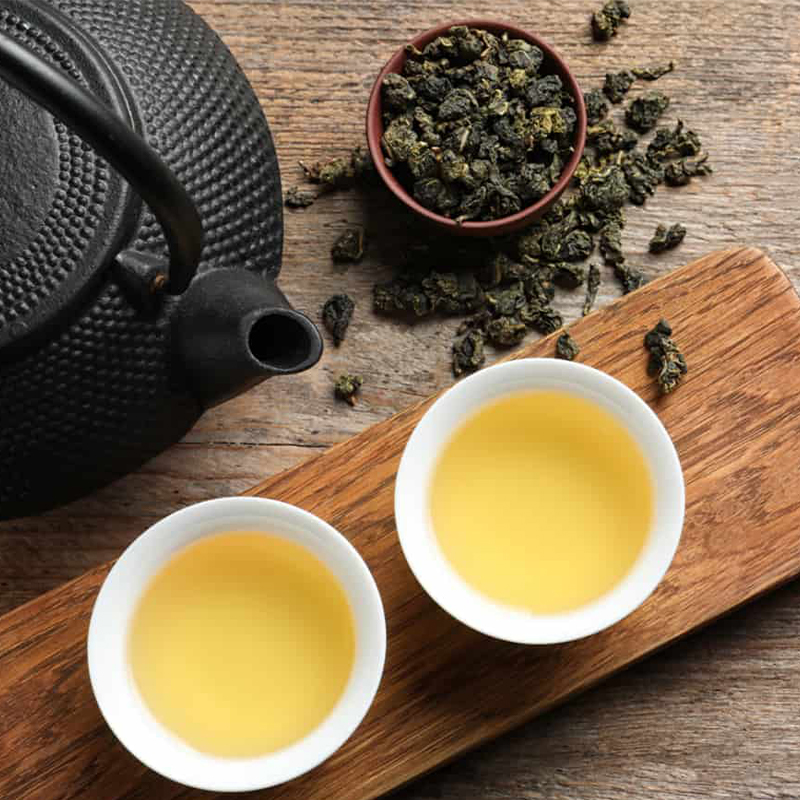
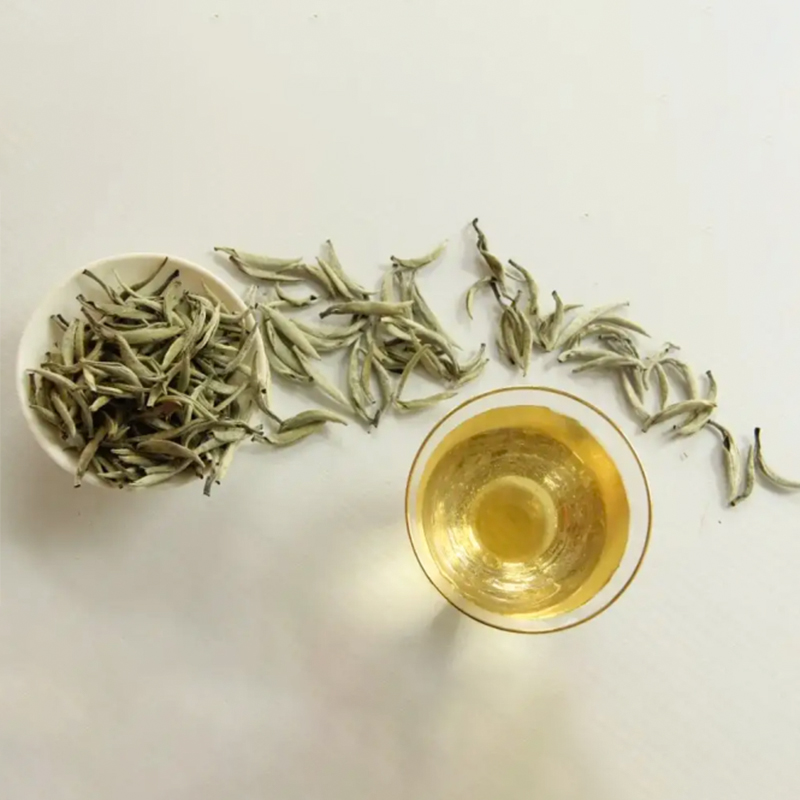
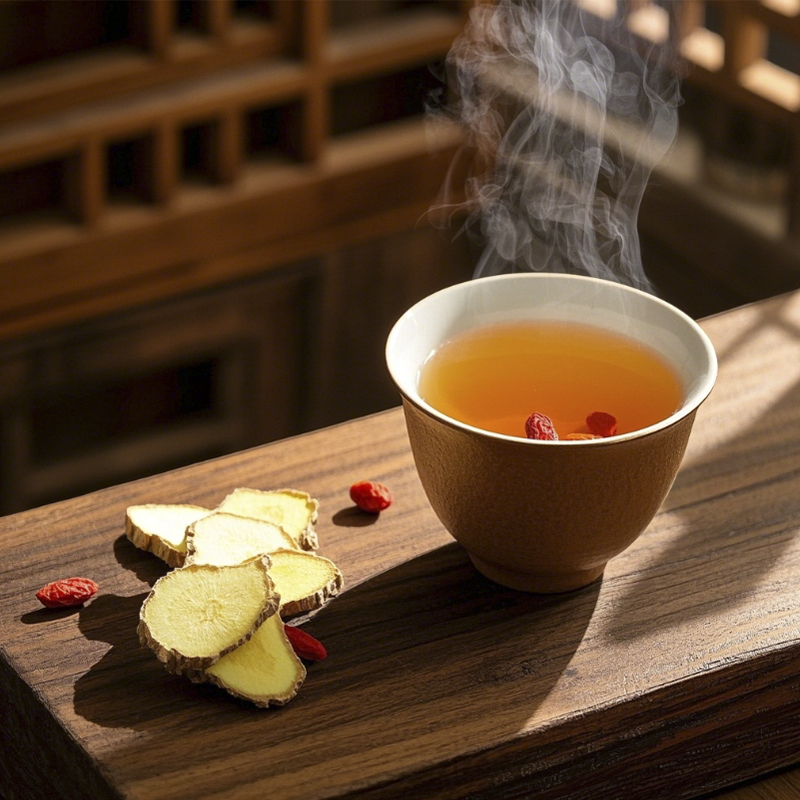
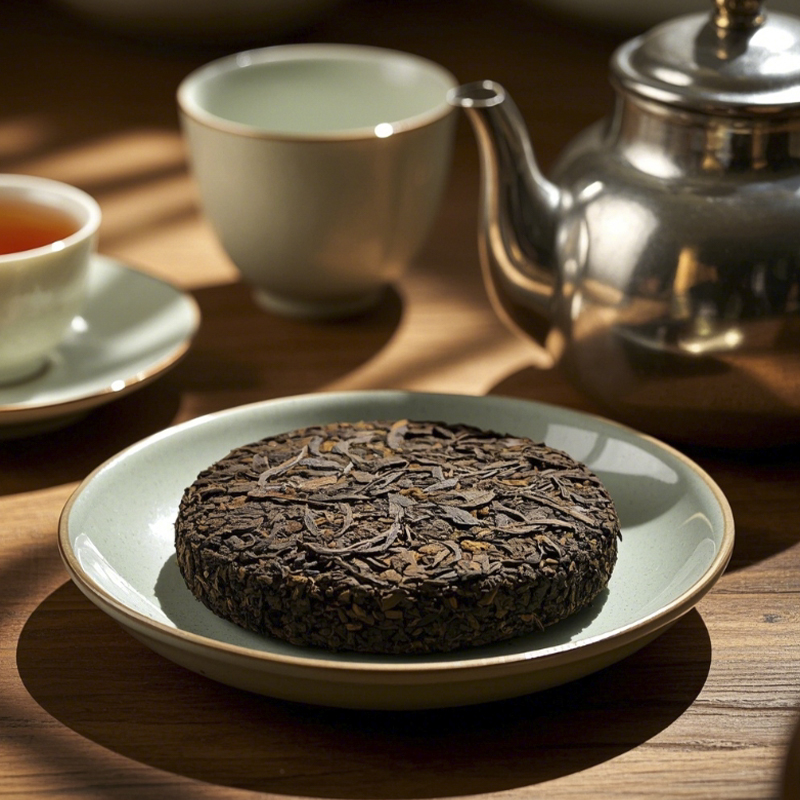
Chinese Original Green Tea Vacuum Packed
Oxygen-free storage Extended freshness Compact packaging
This tea is packaged using a vacuum sealing process that removes oxygen from the package before final sealing. The vacuum environment significantly slows the oxidative degradation of catechins, chlorophyll, and volatile aroma compounds that naturally occur in green tea. By eliminating the primary factor in tea deterioration, vacuum packing extends the shelf life of the tea while preserving its fresh color, aroma, and flavor characteristics. The packaging process is conducted in a controlled environment with monitoring of oxygen levels to ensure consistent results. The compact vacuum-sealed blocks also reduce storage volume and shipping weight, making this format practical for both retail and bulk distribution.
Core Advantages
- Oxygen-free environment prevents oxidative degradation of catechins and chlorophyll.
- Extended shelf life of 24 to 30 months under proper storage conditions.
- Compact vacuum-sealed blocks reduce storage space requirements by up to 60 percent.
- Protection against moisture, light, and odor absorption during transport.
- Consistent flavor profile preserved from packaging to opening.
- Cost-effective shipping due to reduced package volume and weight.
- Transparent window option available for retail display without compromising vacuum seal.
Packaging Specifications
- Material: 7-layer laminated foil with aluminum barrier.
- Thickness: 120 microns, puncture-resistant.
- Oxygen transmission rate: Less than 1 cc per square meter per 24 hours.
- Moisture vapor transmission: Less than 0.5 grams per square meter per 24 hours.
- Reseal option: Zipper closure available for 250g and 500g sizes.
- Labeling: Harvest date, lot number, and origin printed on each package.
Vacuum Packing Process
Tea Conditioning
Tea is held in a climate-controlled room at 20 degrees Celsius for 24 hours to ensure uniform moisture content before packaging.
Portion Weighing
Precise portions are weighed using automated scales with accuracy of plus or minus 0.5 grams.
Vacuum Chamber
Packages are placed in a vacuum chamber where air is evacuated to achieve oxygen levels below 0.5 percent.
Heat Sealing
Immediately after vacuum, the package is heat-sealed using impulse sealers to ensure a complete barrier.
Leak Testing
Each batch undergoes vacuum integrity testing using pressure decay method to confirm seal quality.
Date Coding
Packaging date and lot information are laser-printed on each package for traceability.
Application Scenarios
- Long-term storage: Suitable for consumers who purchase tea in bulk and consume it gradually over several months.
- Export shipping: The compact format reduces shipping costs and protects tea during long-distance transport.
- Retail display: Vacuum-sealed blocks stack neatly on shelves with minimal storage footprint.
- Emergency reserves: The extended shelf life makes it suitable for stockpiling or preparedness applications.
- Gift packaging: The neat, professional appearance of vacuum-sealed blocks appeals to corporate gift buyers.
Handling and Opening
- Cut open the package along the designated tear notch. Do not use sharp objects that could damage the tea.
- After opening, transfer unused tea to an airtight container for continued freshness.
- If a resealable option is chosen, press the zipper firmly to re-seal after each use.
- Store opened tea in a cool, dark place away from strong odors.
- Use within 3 months of opening for optimal flavor retention.
Frequently Asked Questions and Solutions
| Package appears not fully tight | Some air may remain in the package due to the leaf structure. This is normal and does not indicate a seal failure. The vacuum process removes 99.5 percent of oxygen. |
|---|---|
| Tea seems compressed or broken | Vacuum compression may cause some leaf breakage. This does not affect the tea's flavor or quality. We recommend using a strainer when brewing. |
| How to verify the vacuum seal | Unopened packages should feel firm and dense. A soft package may indicate a seal failure. Contact customer service for replacement if seal is compromised. |
| Can I re-vacuum the tea after opening | While possible with home vacuum sealers, we recommend simply using an airtight container. The tea has already been exposed to oxygen and re-vacuuming will not restore the original freshness. |
| Vacuum packing versus nitrogen flushing | Both methods remove oxygen. Vacuum packing physically removes air, while nitrogen flushing displaces it. Vacuum packing results in a more compact package. |
Storage Method Comparison
| Storage method | Oxygen level | Typical shelf life | Volume efficiency |
|---|---|---|---|
| Vacuum packed | Below 0.5 percent | 24 to 30 months | Most compact |
| Nitrogen flushed | Below 1 percent | 18 to 24 months | Moderate |
| Standard sealed pouch | Room air (21 percent) | 12 to 18 months | Least compact |
| Airtight tin | Varies with use | 6 to 12 months after opening | Varies |
Storage recommendation: Vacuum-packed tea should be stored in a cool, dark place at 15 to 20 degrees Celsius. While the vacuum seal protects against oxidation, the package should still be kept away from heat sources and direct sunlight. Once opened, transfer unused tea to an airtight container and consume within 3 months. The vacuum package itself is not suitable for long-term storage after opening.

 Our Phone
 E-mail
 Our Address