

 English
  Français
 Keemun Black Tea Grade 1 vs Other Black Tea Grades: Key Differences Explained
Two bags labeled "Keemun black tea" can taste nothing alike. The gap between Keemun Black Tea Grade 1 and a standard grade shows up in the cup, in the leaf, and in the price a premium retail brand can eventually charge for it. Tea buyers who understand that gap avoid overpaying for beverage-grade leaf or underdelivering on a gift-tea line.
What Sets Grade 1 Keemun Apart From the Start
Keemun Black Tea Grade 1 comes from Qimen County in Anhui Province and represents the higher-quality tier of Qimen black tea, built on more uniform leaves, tighter processing, and a cleaner, more consistent aroma than lower grades from the same origin. That consistency is exactly what premium retail brands, gift tea lines, and specialty blenders are paying for.
Leaf Appearance: Uniform Versus Variable
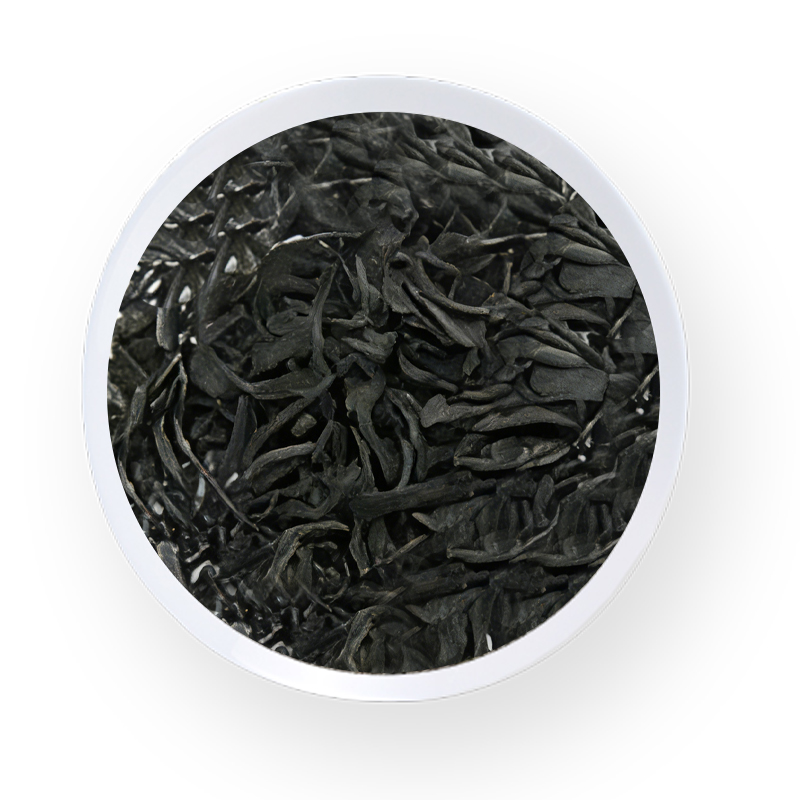
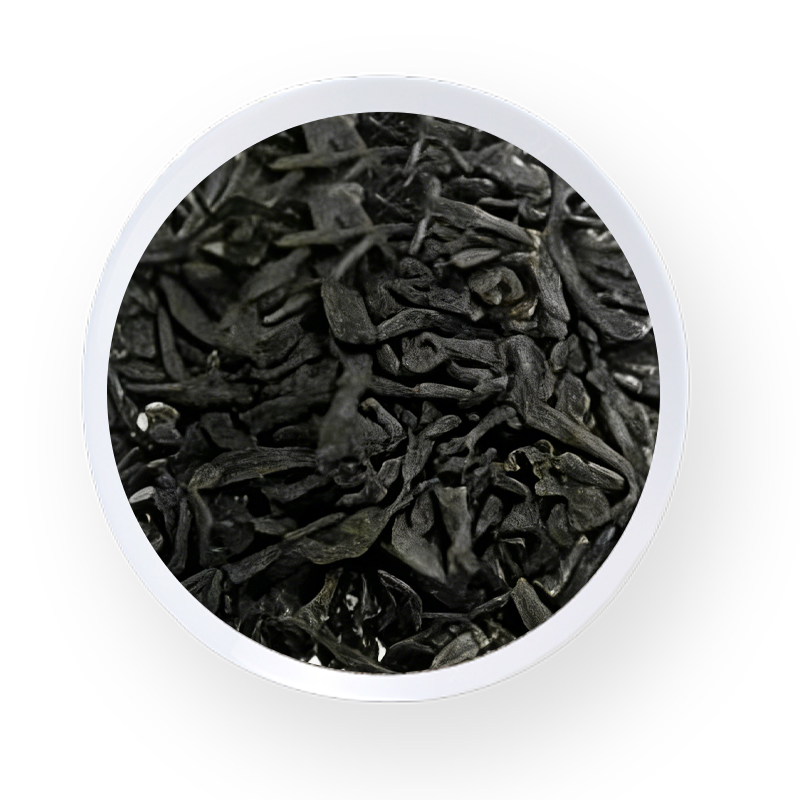
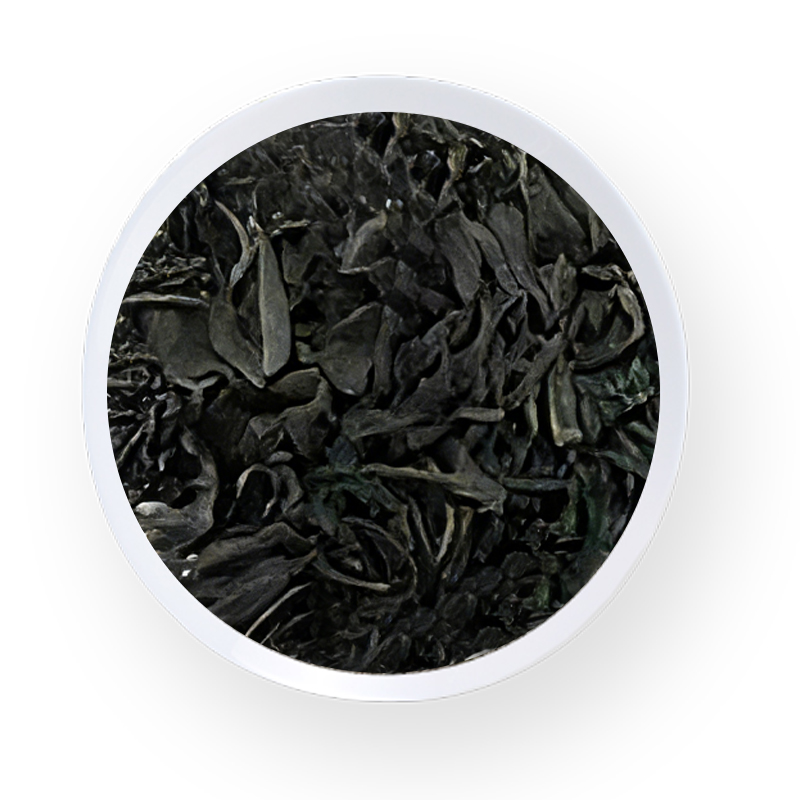
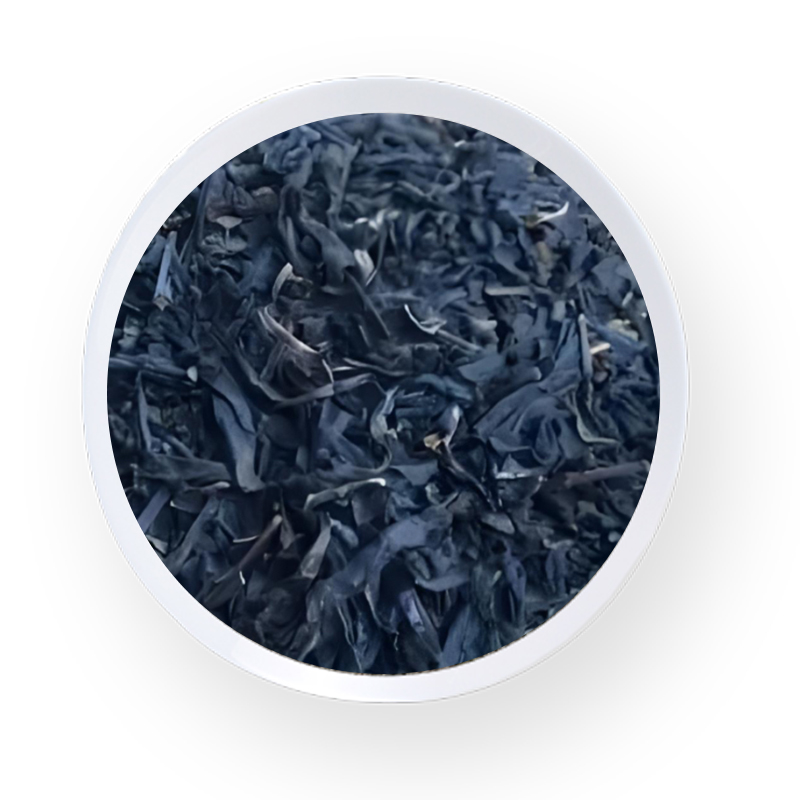
Appearance is the first quality signal a buyer or consumer sees. Keemun Black Tea Grade 1 shows relatively uniform leaf size, tighter rolling, and a consistent dark color with few unwanted fragments, which improves both shelf presentation and brewing consistency. Lower black tea grades often carry more broken leaf and smaller particles, which still deliver good flavor but sit better in tea bag production than in a loose-leaf display tin.
Aroma and Flavor Where the Real Difference Shows
Grade 1 Keemun is known for an elegant floral aroma, balanced sweetness, and a clean aftertaste that make it a natural fit for premium tea products meant to be tasted slowly. Other black tea grades can carry a stronger but less refined flavor with a lighter, simpler aroma, which actually suits blended teas, milk tea, and large-volume beverage production where boldness matters more than nuance.
Keemun Grade 1
Uniform leaf, elegant aroma, smooth balanced taste, consistent brewing, positioned for retail, gifting, and premium blends.
Standard Grades
More broken leaf, stronger simpler flavor, faster extraction, cost-efficient, positioned for tea bags and beverage manufacturing.
Brewing Performance and Processing Quality
Because of its leaf quality, Keemun Black Tea Grade 1 brews with more balanced extraction, a clear tea color, and steady aroma release, which suits traditional tea-drinking formats. Standard grades extract faster and release stronger color, which industrial tea bag and ready-to-drink production actually depends on. Behind both grades sits the same seven-stage process — picking, withering, rolling, oxidation, drying, sorting, and grading — but Grade 1 demands stricter raw leaf selection and more careful sorting at every stage.
- Better raw tea leaf selection before processing begins
- More careful sorting to remove fragments and inconsistent leaf
- Tighter processing control across withering, rolling, and drying
- Stricter final grading to protect aroma and appearance standards
Matching Grade to Application
Premium retail tea shops, gift tea products, and specialty brands get the most value from Keemun Black Tea Grade 1, where appearance and refined flavor directly support a higher price point. Tea beverage manufacturers producing bottled tea, milk tea, or concentrates generally favor standard grades for their cost efficiency and stronger extraction at scale. Blending projects can use either: Grade 1 for aroma and premium positioning, standard grades for body, color, and cost control.
| Feature | Keemun Grade 1 | Standard Grades |
| Leaf Appearance | More uniform | More variable |
| Aroma | Elegant and refined | Stronger or simpler |
| Brewing Quality | More consistent | Depends on grade |
| Market Positioning | Premium tea | Standard tea |
| Best Application | Retail, gifts, premium blends | Daily tea, beverage production |
Choosing the Right Supplier and Grade
Buyers should weigh target market, product format, and flavor requirements before ordering. Premium customers and loose-leaf formats favor higher grades, while tea bag production tolerates broken grades without losing commercial value. A reliable supplier of Keemun Black Tea Grade 1 should offer stable grading standards, consistent processing, quality inspection, and real export experience.
Frequently Asked Questions
What makes Keemun Black Tea Grade 1 different from standard Keemun?
Grade 1 offers more uniform leaf size, a cleaner and more elegant aroma, and smoother balanced taste, achieved through stricter raw leaf selection and more careful sorting during processing.
Is Keemun Black Tea Grade 1 suitable for tea bag production?
It can be used, but its premium leaf appearance and refined flavor are better suited to loose-leaf retail and gift products, while broken standard grades are more cost-effective for tea bags.
Why do beverage manufacturers often choose standard black tea grades?
Standard grades extract faster and release stronger color, which suits bottled tea, milk tea, and concentrate production where bold flavor and cost efficiency matter more than delicate aroma.
What should buyers check when sourcing Keemun Black Tea Grade 1?
Buyers should confirm the supplier maintains stable grading standards, consistent processing quality, proper quality inspection, and prior experience exporting tea to international markets.
 We sincerely welcome customers from all over the world to visit us and seek common
development and create brilliant future.
We sincerely welcome customers from all over the world to visit us and seek common
development and create brilliant future.
Contact BAODA
 Our Phone
+86-15386682887
+86-13857173531
 E-mail
[email protected]
[email protected]
[email protected]
 Our Address
Room 1601, Building 2, New Town Times Square, 189 Fengqi East Road, Hangzhou, Zhejiang Province, China.
Inquiry Us Now
Copyright © Hangzhou Baoda Tea Co., Ltd. All Rights Reserved
Wholesale China Premium Green Tea Company
