

 English
  Français
 How to Source Chinese Gunpowder Tea: Freshness, Packaging, and Supplier Selection Tips
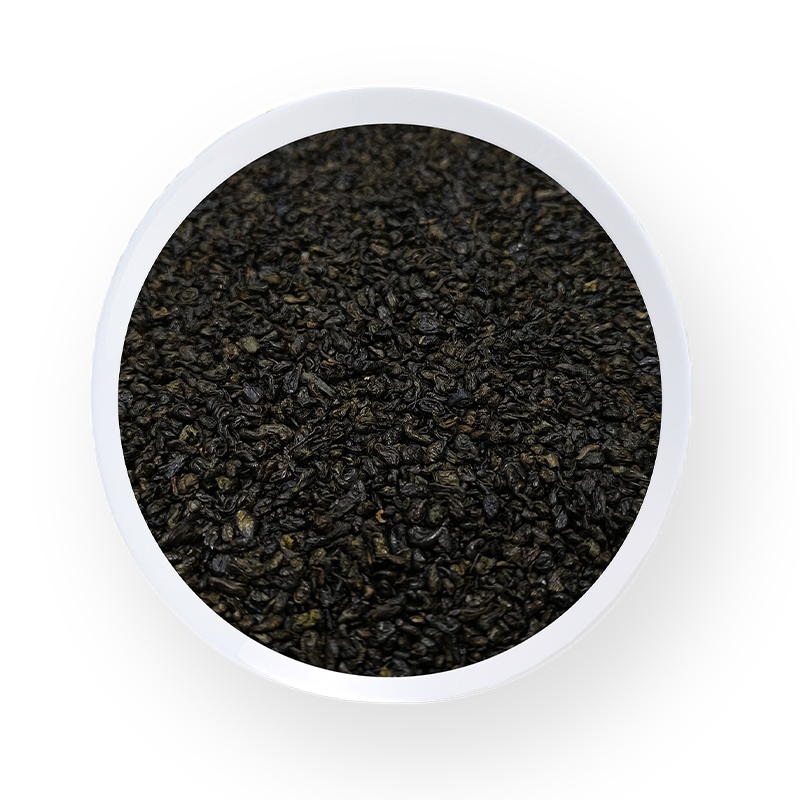
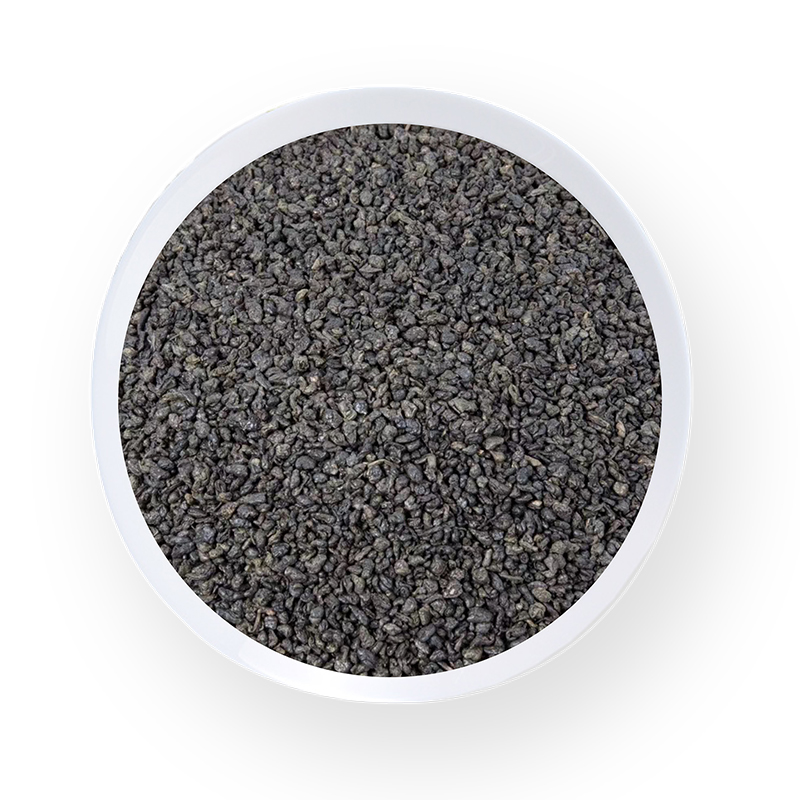
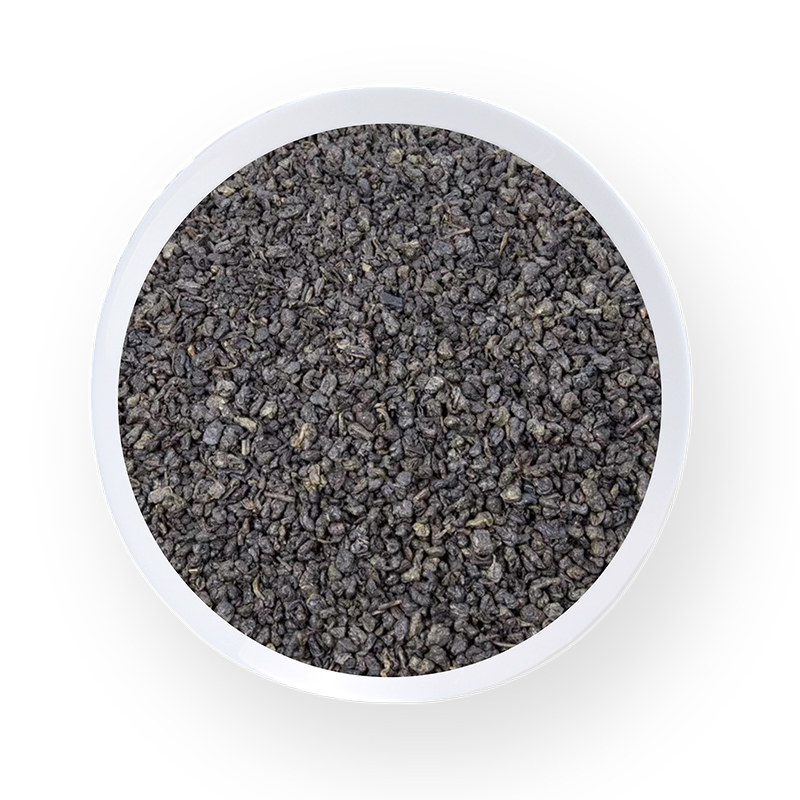
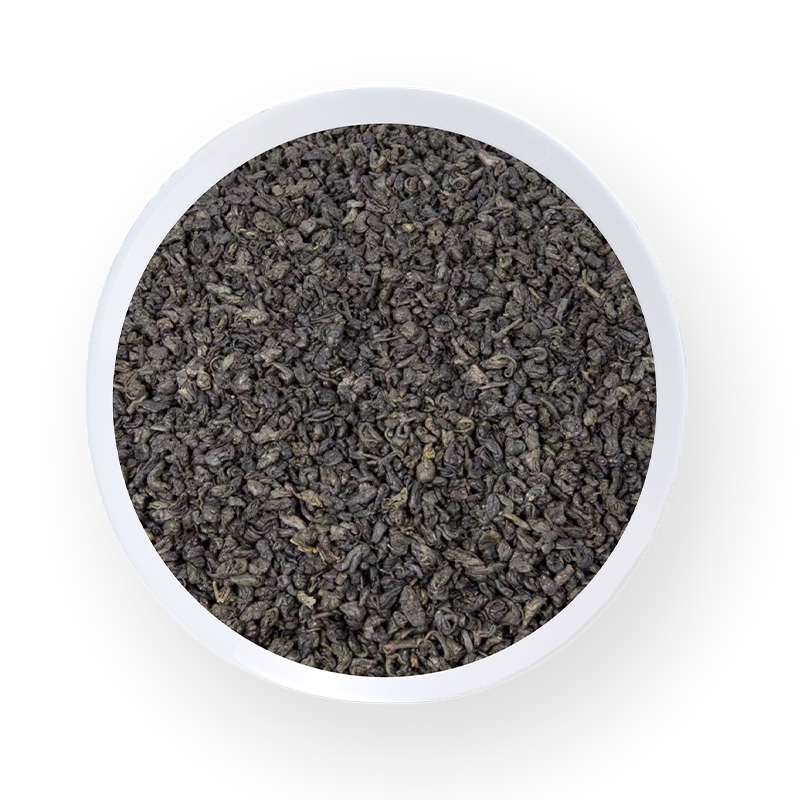
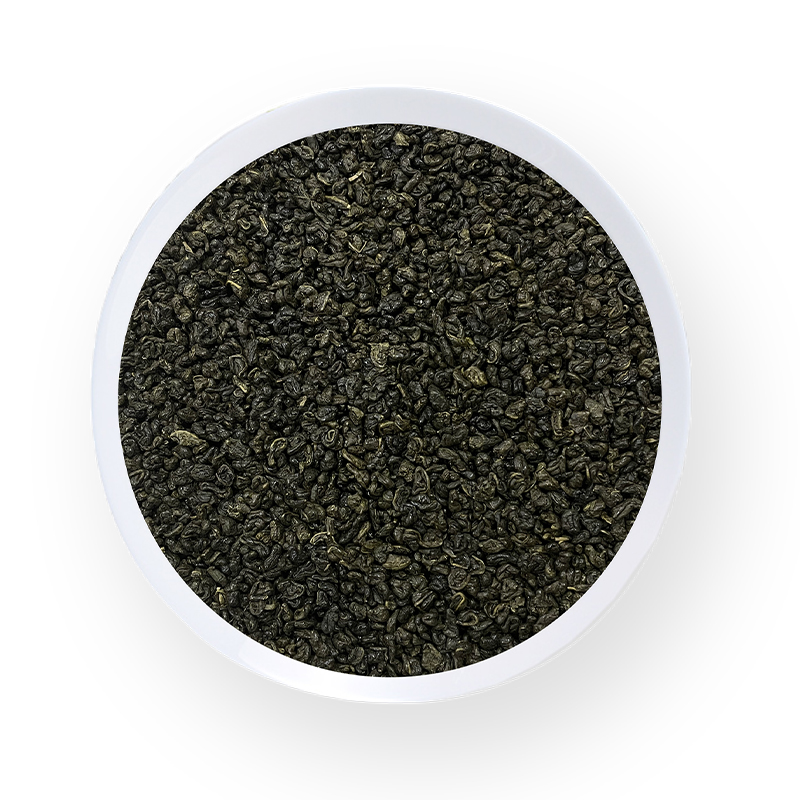
Chinese Gunpowder Tea earns its name from the tight, dense pellets that resemble black powder granules — and like powder, it demands careful handling. Proper storage, freshness awareness, and smart packaging choices are the three pillars that separate a vibrant, full-bodied cup from a flat, lifeless brew.
How to Store Gunpowder Tea the Right Way
Storing Chinese Gunpowder Tea correctly is non-negotiable if you want to protect its characteristic smoky depth and natural oils. The rolled pellets are more resilient than loose-leaf teas, but they are still vulnerable to four primary enemies: moisture, light, heat, and odor absorption.
Tin canisters with double-lid seals or dark ceramic jars are the gold standard. Glass jars work only if stored in a dark cupboard — UV exposure degrades catechins and volatilizes aromatic compounds within weeks.
Refrigerators introduce condensation cycles that accelerate oxidation. Room-temperature storage in a cool, dry pantry (15–25°C) consistently outperforms cold storage for green teas, including gunpowder varieties.
Tea pellets are highly porous and readily absorb ambient smells. Never store gunpowder tea near coffee, spices, or cleaning products. Dedicated tea drawers or sealed tin collections prevent cross-contamination.
Purchasing in 100–200g increments rather than bulk ensures you consume each batch within its peak window of 6–12 months post-opening, even if the sealed shelf life extends to two years.
Brewing Quality Indicators That Reveal Freshness
The brew itself is the most honest indicator of whether your Chinese Gunpowder Tea is fresh or past its prime. Fresh gunpowder tea delivers consistent, measurable signals in the cup.
- Pellets unfurl fully within 2–3 minutes of contact with 80–85°C water
- Liquor is a clear, bright golden-green to olive hue
- Aroma is distinctly smoky with grassy, vegetal undertones
- Taste is brisk, mildly astringent, with a clean finish
- Second and third infusions remain flavorful
- Pellets resist unfurling or open unevenly
- Liquor appears dull, brownish, or cloudy
- Aroma is flat, papery, or musty — no smoke character
- Taste is thin, hollow, or unpleasantly bitter without depth
- Subsequent infusions are near-flavorless
Which Packaging Best Preserves Gunpowder Tea Flavor
Packaging is the first line of defense from the moment tea leaves the production facility. Not all containers are equal, and the wrong choice can render premium Chinese Gunpowder Tea stale before it even reaches the consumer.
| Packaging Type | Airtight Seal | Light Protection | Recommended For |
| Double-lid tin canister | Excellent | Full | Long-term home storage, gifting |
| Foil-lined kraft pouch with zip seal | Very good | Full | Retail, e-commerce shipping |
| Nitrogen-flushed sealed bag | Excellent | Full | Premium bulk preservation, export |
| Dark ceramic jar with cork lid | Good | Full | Display storage, short-term use |
| Clear glass jar | Fair | None | Not recommended unless kept dark |
| Paper or cloth bag | Poor | None | Avoid for gunpowder tea entirely |
For consumers, the double-lid tin remains the definitive choice: it blocks UV, creates an oxygen-restricting seal, and does not transfer chemical odors the way some plastics can. For sellers and exporters, nitrogen-flushed foil bags extend peak freshness by displacing the oxygen that triggers oxidation at the molecular level.
Frequently Asked Questions
Can you freeze Chinese Gunpowder Tea to extend its life?
Freezing is generally not recommended for gunpowder tea. The repeated freeze-thaw cycles introduce moisture condensation directly onto the pellets, accelerating oxidation rather than preventing it. Proper airtight storage at room temperature is more effective and far simpler.
How long does gunpowder tea stay fresh after opening?
Once opened, Chinese Gunpowder Tea is best consumed within 6–12 months when stored in an airtight tin away from light, heat, and odors. Sealed, unopened packaging can preserve quality for up to 24 months from the production date.
Does the color of the tea pellets indicate freshness?
Yes. Fresh gunpowder pellets are a dark, uniform grey-green with a faint sheen from intact natural oils. Pellets that appear dusty, brown-tinged, or crumbling have likely been exposed to humidity or excessive heat and have begun to degrade.
What water temperature is best for brewing fresh gunpowder tea?
Fresh Chinese Gunpowder Tea brews best at 80–85°C (175–185°F). Boiling water at 100°C scorches the delicate compounds and produces excessive bitterness, masking the smoky, clean flavor profile that defines high-quality gunpowder tea.
 We sincerely welcome customers from all over the world to visit us and seek common
development and create brilliant future.
We sincerely welcome customers from all over the world to visit us and seek common
development and create brilliant future.
Contact BAODA
 Our Phone
+86-15386682887
+86-13857173531
 E-mail
[email protected]
[email protected]
[email protected]
 Our Address
Room 1601, Building 2, New Town Times Square, 189 Fengqi East Road, Hangzhou, Zhejiang Province, China.
Inquiry Us Now
Copyright © Hangzhou Baoda Tea Co., Ltd. All Rights Reserved
Wholesale China Premium Green Tea Company
