

 English
  Français
 Chinese Gunpowder Tea: Benefits, Taste, Brewing Methods, and What Makes This Traditional Green Tea Unique
Introduction: The Rising Global Interest in Chinese Gunpowder Tea
Chinese gunpowder tea has gradually gained global attention as consumers shift toward natural beverages, traditional wellness drinks, and minimally processed tea products. Known for its tightly rolled leaf appearance and bold flavor profile, Chinese gunpowder tea represents one of the most distinctive forms of green tea in the world.
In recent years, search interest in terms such as Chinese gunpowder tea benefits, how to brew Chinese gunpowder tea, gunpowder tea caffeine content, and Chinese gunpowder tea vs matcha has increased significantly. This reflects a broader trend: people are no longer only drinking tea for refreshment, but also for lifestyle, wellness, and sensory experience.
What Is Chinese Gunpowder Tea?
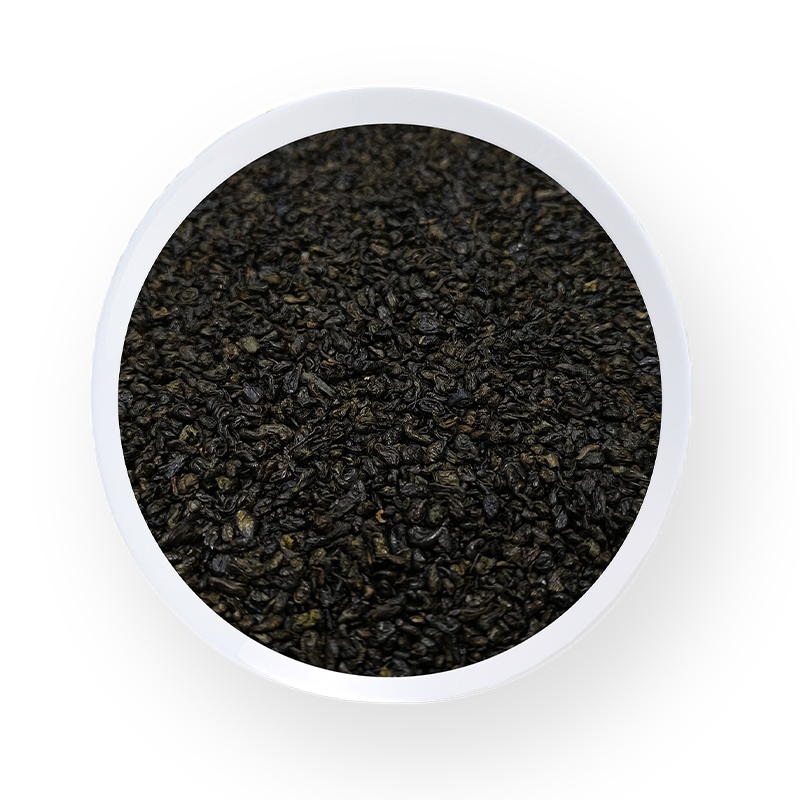
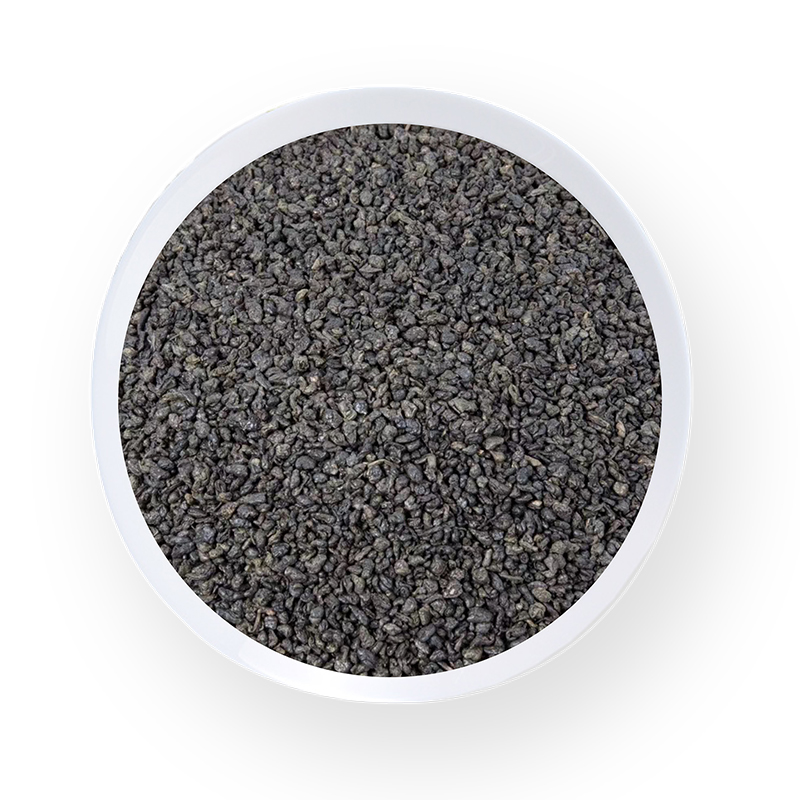
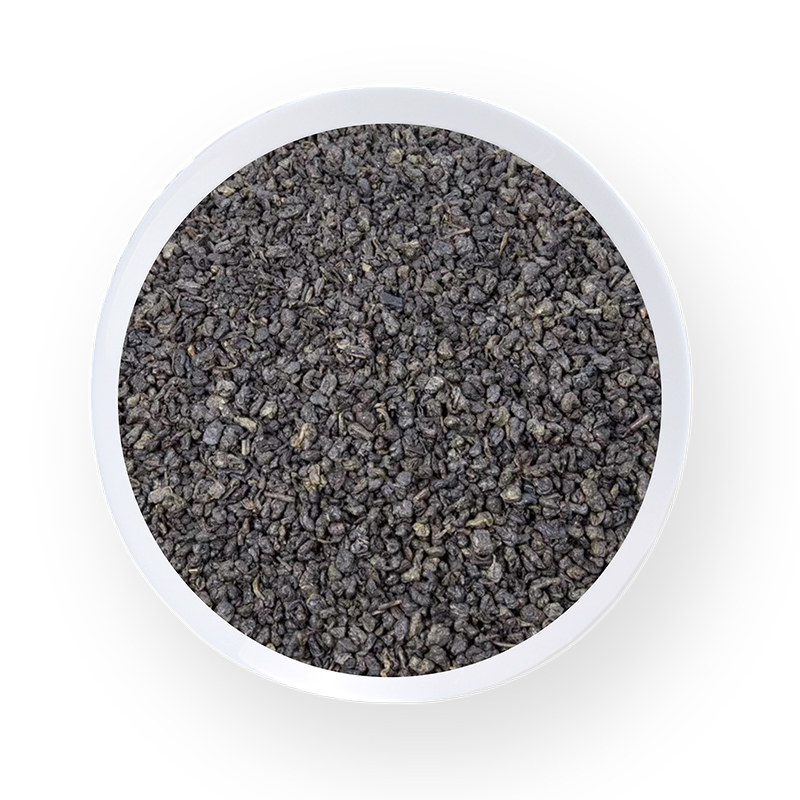
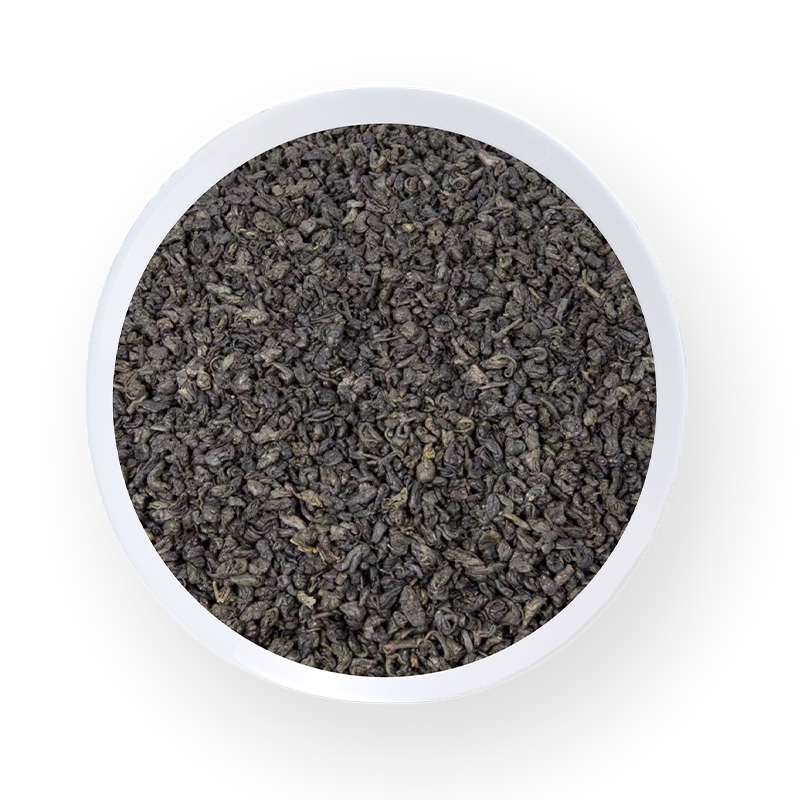
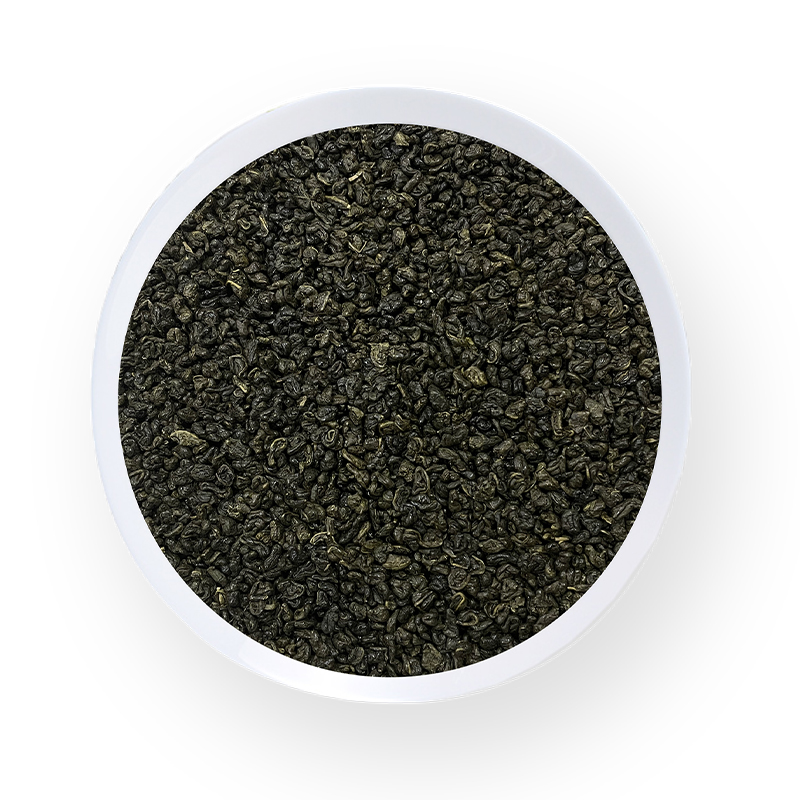
Chinese gunpowder tea is a traditional green tea made from leaves that are steamed, rolled into small pellet-like shapes, and then dried. The name "gunpowder" comes from its visual resemblance to grains of black powder.
This rolling process is not just aesthetic. It serves a functional purpose: it helps preserve freshness, locks in aroma, and allows the leaves to expand gradually when steeped.
Product Overview
| Category | Description |
|---|---|
| Tea Type | Green tea |
| Appearance | Small, dense, pearl-like pellets |
| Processing Method | Steamed, rolled, and dried |
| Flavor Profile | Bold, slightly smoky, mildly vegetal |
| Common Consumption | Hot tea, iced tea, blended tea recipes |
| Storage Form | Loose leaf |
Chinese gunpowder tea is traditionally consumed in both domestic and international markets, often used as a daily drinking tea due to its balanced strength and refreshing aftertaste.
Chinese Gunpowder Tea Taste Profile
The taste of Chinese gunpowder tea is one of its defining features. Compared to lighter green teas, it has a stronger, more assertive flavor.
Flavor Characteristics:
- Slight smoky undertone
- Mild bitterness balanced by natural sweetness
- Smooth but full-bodied mouthfeel
- Lingering vegetal finish
The smoky note is not artificial; it is a result of the pan-firing process used during production. Depending on quality and brewing technique, the taste can range from light and grassy to deep and robust.
Factors Affecting Taste:
- Water temperature
- Steeping time
- Leaf quality and grade
- Tea-to-water ratio
When brewed correctly, Chinese gunpowder tea delivers a clean and refreshing experience without excessive bitterness.
Chinese Gunpowder Tea Caffeine Content Explained
Caffeine content is one of the most frequently searched aspects of Chinese gunpowder tea. It generally contains a moderate level of caffeine, making it suitable for daily consumption without the intensity of coffee.
Caffeine Comparison Table
| Beverage | Caffeine Level |
|---|---|
| Chinese gunpowder tea | Medium |
| Regular green tea | Low to medium |
| Black tea | Medium to high |
| Coffee | High |
Key Influencing Factors:
- Steeping time: longer steeping increases caffeine extraction
- Water temperature: hotter water releases more caffeine
- Leaf density: tightly rolled leaves may release caffeine more gradually
Because of its moderate caffeine content, Chinese gunpowder tea is often consumed in the morning or early afternoon as a balanced energy booster.
Health Benefits of Chinese Gunpowder Tea
Chinese gunpowder tea is commonly associated with a variety of wellness-related properties, largely due to its natural composition and minimal processing.
Commonly Recognized Benefits:
- Contains natural antioxidants such as catechins
- Supports daily hydration and refreshment
- May contribute to metabolic balance
- Often included in wellness-focused diets
- Can serve as a low-calorie beverage alternative
Antioxidants in green tea are widely studied for their role in supporting cellular health and protecting against oxidative stress. While effects vary depending on lifestyle and diet, Chinese gunpowder tea remains a popular choice for health-conscious consumers.
It is important to note that tea should be viewed as part of a balanced diet rather than a medical treatment.
Chinese Gunpowder Tea vs Matcha
One of the most frequently searched comparisons is Chinese gunpowder tea vs matcha. While both originate from green tea leaves, their processing and consumption methods differ significantly.
Comparison Overview
| Feature | Chinese Gunpowder Tea | Matcha |
|---|---|---|
| Form | Rolled whole leaves | Finely ground powder |
| Preparation | Steeping in water | Whisking powder in water |
| Taste | Smoky, bold, slightly bitter | Creamy, vegetal, rich |
| Caffeine | Medium | Medium to high |
| Usage | Daily drinking tea | Ceremonial and culinary use |
Chinese gunpowder tea is generally considered more approachable for everyday drinking, while matcha is often associated with specialized preparation and a richer texture.
How to Brew Chinese Gunpowder Tea Properly
Proper brewing is essential to fully experience the flavor profile of Chinese gunpowder tea. Incorrect brewing can lead to excessive bitterness or weak flavor extraction.
Brewing Guidelines Table
| Parameter | Recommended Range |
|---|---|
| Water temperature | 80–90°C |
| Tea quantity | 2–3 grams per cup |
| Steeping time | 1–3 minutes |
| Reuse potential | 2–4 infusions |
Brewing Steps:
- Heat water to a moderate temperature (not boiling).
- Add loose leaf Chinese gunpowder tea into a teapot or infuser.
- Pour water and steep for 1–3 minutes depending on taste preference.
- Remove leaves or decant tea to prevent over-brewing.
- Reuse leaves for multiple infusions with slightly longer steeping times.
Proper brewing enhances sweetness while reducing bitterness, creating a balanced cup.
Best Time to Drink Chinese Gunpowder Tea
Timing can influence both the experience and effect of Chinese gunpowder tea.
Recommended Times:
- Morning: to support alertness and focus
- Early afternoon: as a gentle energy refresh
- After meals: to complement digestion
Times to Limit Consumption:
- Late evening, due to caffeine content that may affect sleep quality
By aligning consumption with natural energy cycles, drinkers can maximize the benefits of Chinese gunpowder tea.
How to Store Loose Leaf Gunpowder Tea
Proper storage is essential for preserving flavor and aroma.
Storage Guidelines:
- Keep in airtight containers
- Store in a cool, dry place
- Avoid direct sunlight
- Keep away from strong odors
- Minimize exposure to humidity
Because green tea is sensitive to oxidation, improper storage can quickly degrade quality and taste.
Different Uses of Chinese Gunpowder Tea
Beyond traditional hot tea consumption, Chinese gunpowder tea is used in several modern applications.
Common Uses:
- Hot brewed tea for daily drinking
- Cold brew iced tea for refreshing beverages
- Base ingredient in mint tea blends
- Culinary infusion in creative drink recipes
Its strong flavor profile makes it suitable for both standalone consumption and blending applications.
Buying Guide: How to Choose High-Quality Chinese Gunpowder Tea
Selecting high-quality tea significantly improves the drinking experience.
Quality Comparison Table
| Grade | Characteristics |
|---|---|
| Premium | Tight, uniform pellets, rich aroma |
| Standard | Slight variation in shape, balanced flavor |
| Low grade | Broken leaves, weaker aroma |
Selection Tips:
- Choose tightly rolled pellets for freshness
- Avoid excessive dust or broken leaves
- Check aroma intensity (fresh, slightly smoky scent is ideal)
- Prefer uniform color and size
High-quality Chinese gunpowder tea offers a more refined taste and smoother finish.
Frequently Asked Questions (FAQ)
1. Is Chinese gunpowder tea good for daily drinking?
Yes, it is commonly consumed daily due to its moderate caffeine level and balanced flavor profile.
2. Does gunpowder tea have more caffeine than green tea?
It is generally similar to regular green tea, though slightly stronger depending on brewing conditions.
3. What does gunpowder tea taste like?
It has a bold, slightly smoky flavor with vegetal and mildly sweet undertones.
4. Can I drink gunpowder tea on an empty stomach?
It depends on individual sensitivity, but mild consumption is generally tolerated by most people.
5. How many cups per day is safe?
Typically 2–4 cups per day is considered a moderate range for most consumers.
Conclusion
Chinese gunpowder tea continues to stand out in the global tea market due to its unique processing method, strong flavor profile, and versatility. Whether consumed for its taste, caffeine balance, or antioxidant content, it remains a widely appreciated traditional green tea.
 We sincerely welcome customers from all over the world to visit us and seek common
development and create brilliant future.
We sincerely welcome customers from all over the world to visit us and seek common
development and create brilliant future.
Contact BAODA
 Our Phone
+86-15386682887
+86-13857173531
 E-mail
[email protected]
[email protected]
[email protected]
 Our Address
Room 1601, Building 2, New Town Times Square, 189 Fengqi East Road, Hangzhou, Zhejiang Province, China.
Inquiry Us Now
Copyright © Hangzhou Baoda Tea Co., Ltd. All Rights Reserved
Wholesale China Premium Green Tea Company
