

 English
  Français
 Chinese Green Tea: A Complete Buyer's Guide to Types, Grades, and Sourcing
Every week, an import manager somewhere in Europe or North Africa opens a parcel of green tea samples labelled with codes such as 41022, 3505, or 9371. At first glance, those numbers look intimidating. The conclusion is simple: export-grade Chinese green tea is not one product but a well-structured system of categories, grades, and specifications. Learn how the system works, and sourcing decisions become far less risky.
Why Chinese Green Tea Remains a Global Staple
China leads the world in green tea production, and the international trade relies on a few high-volume categories. Chunmee and Gunpowder alone account for a substantial share of green tea shipped annually, with traditional buyers in Morocco, Algeria, Mauritania, Senegal, and Mali as well as France, Belgium, Spain, the Netherlands, and Italy. For these markets, the appeal is practical: the tea is affordable, stable on the container route, and adaptable to local brewing habits such as mint tea or iced beverages. For a buyer, the priority is not searching for an exotic name but matching a proven specification to a target market.
The Main Commercial Categories You Will Meet
Chunmee (Eyebrow) Green Tea
Chunmee is made from leaves twisted into long, slender eyebrow shapes. It is the backbone of Chinese green tea exports, especially to North and West Africa, where it is brewed strong and often sweetened. The tea is sold under traditional batch numbers such as 4011, 41022, 9366, 9371, and 9380, and 41022 is one of the most common starting codes. Within that number, grades climb from AAA to eight A's and up to a Diamond level, allowing buyers to balance leaf appearance, tenderness, and cost. For a first container order, Chunmee 41022 AAA offers a dependable midpoint between price and a neat, presentable dry leaf.
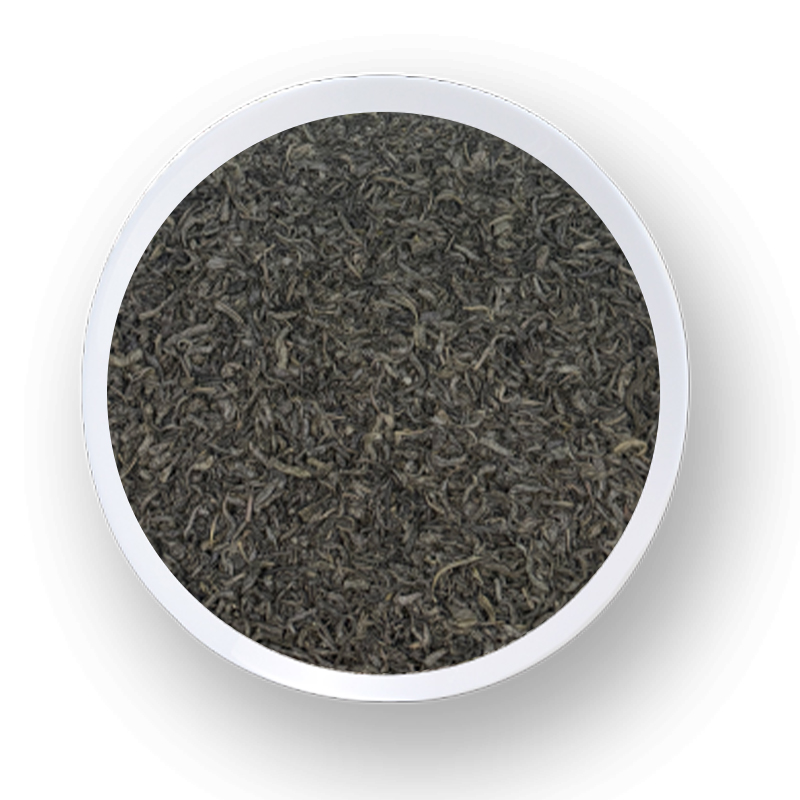 Wholesale Chunmee 41022 AAA Suppliers, CompanyHangzhou Baoda Tea Co., Ltd. Is China Wholesale Private Label Chunmee 41022 AAA Suppliers, Company, 3A·Material: Predominantly 3-leaf sho...View Product →
Gunpowder (Pearl) Green Tea
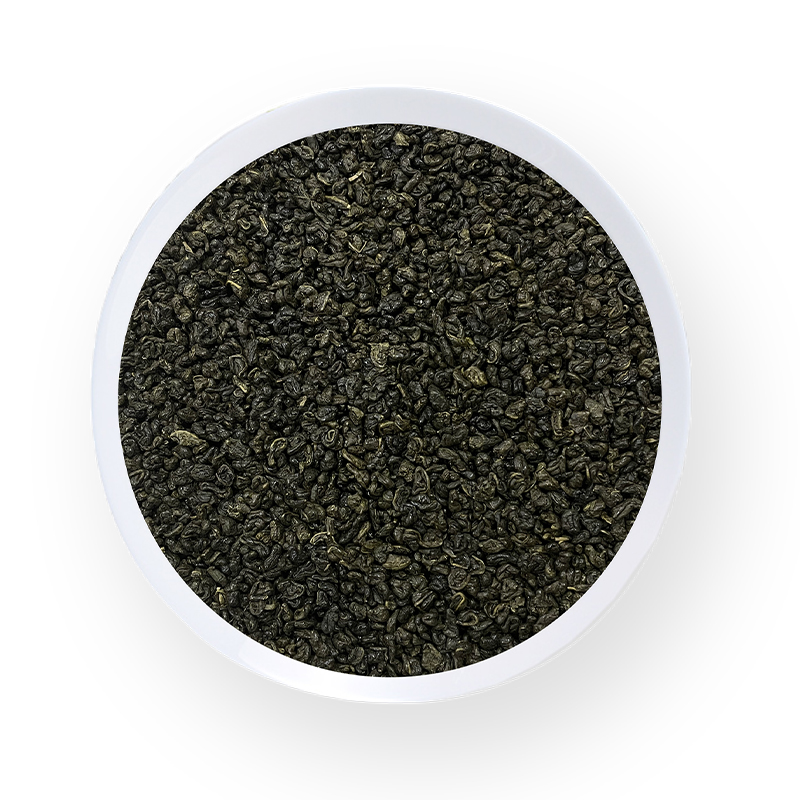
Gunpowder leaves are rolled into tight pellets that open slowly during brewing. The result is a full-flavoured, slightly brisk cup that stands up well to multiple infusions, which is why it has been a fixture in North African mint tea for generations. The standard export code is 3505, with A, AA, AAA, Diamond, and the coarser Gros Grain grade. Look for pellets that are small, firm, glossy, and uniform. When a buyer needs a clean, well-rolled pearl at a moderate cost, Gunpowder 3505 AAA is a sensible reference point.
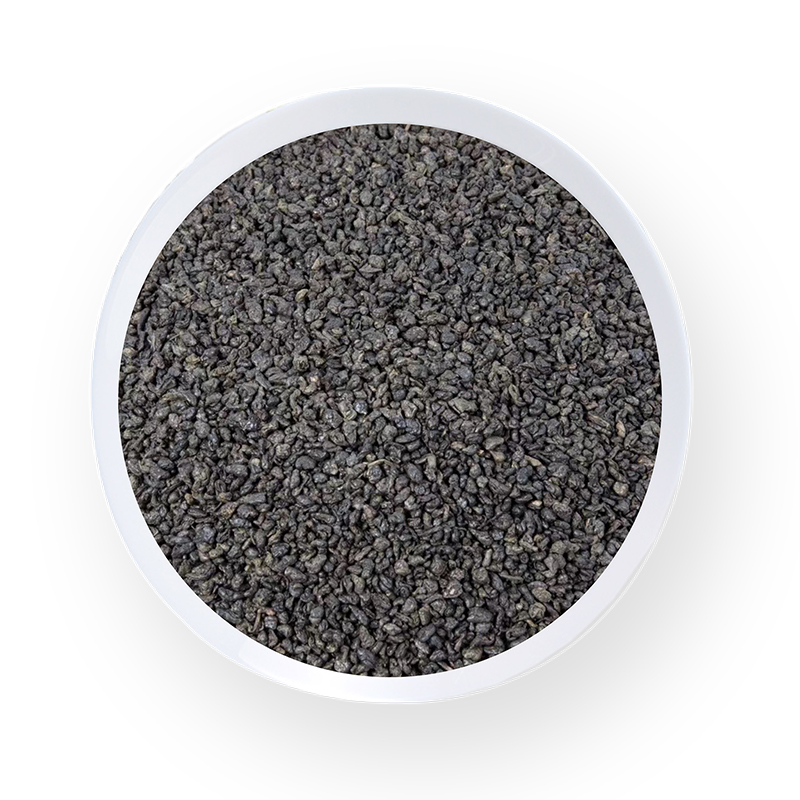 Wholesale Gunpowder 3505 AAA Suppliers, CompanyHangzhou Baoda Tea Co., Ltd. Is China Wholesale Private Label Gunpowder 3505 AAA Suppliers, Company, Gunpowder 3505 AAA represents the hi...View Product →
Special and Famous Green Teas
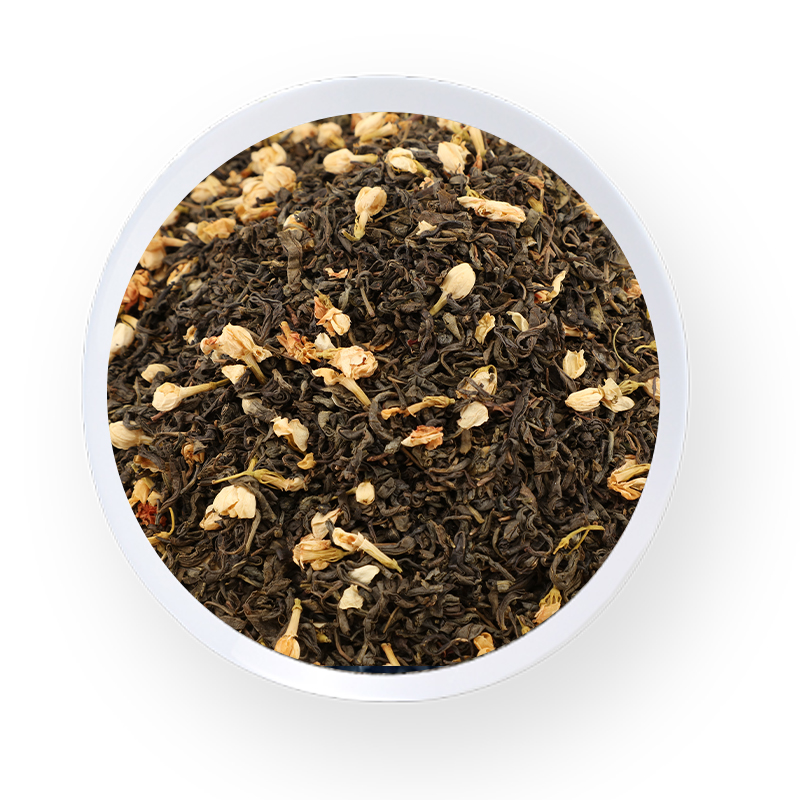
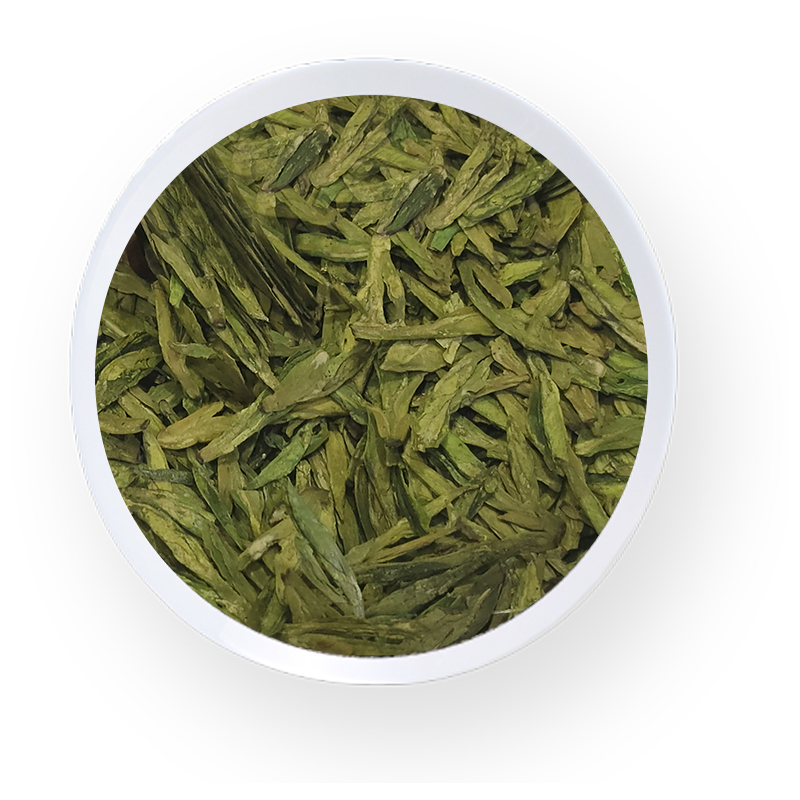
Beyond the commodity-grade system, China also produces celebrated whole-leaf greens such as Longjing, Maofeng, and Biluochun, as well as jasmine-scented green teas. These are usually specified by origin, harvest period, and visual grade rather than by export numbers. They appear in specialty retail lines, high-end foodservice, and gift packaging where provenance matters more than blend consistency. For a buyer who wants to build a premium Chinese tea assortment, a well-executed Longjing tea is the natural headline product.
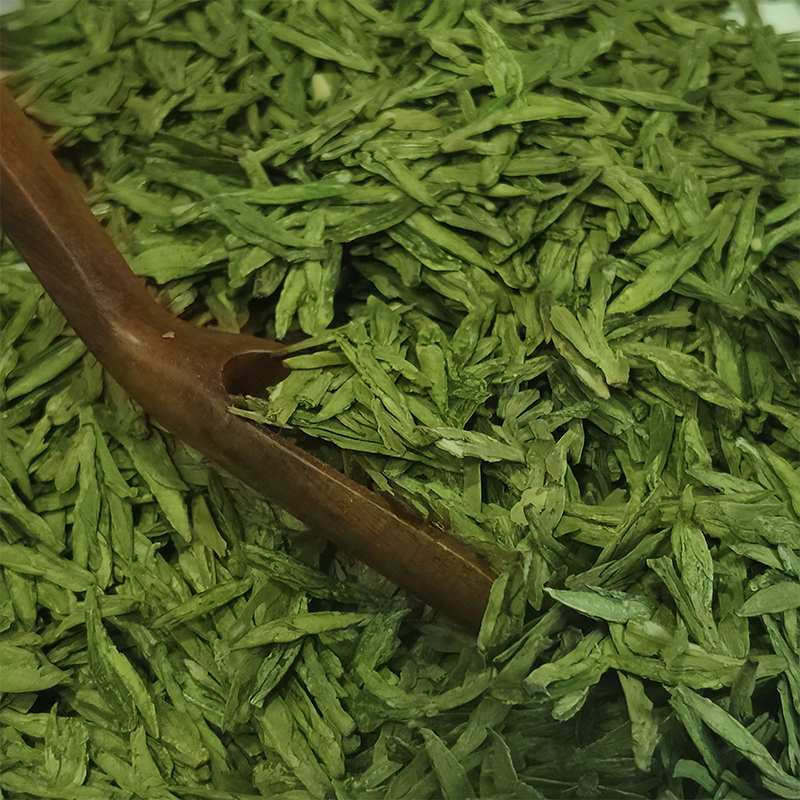 Chinese Longjing Tea, Longjing Tea Leaves Company, SuppliersWe Are China Longjing Tea Leaves Company, Suppliers, Hangzhou Baoda Tea Co., Ltd. Wholesale Private Label Chinese Longjing Tea For Sale.View Product →
How Export Grades Work and Why They Matter
An export grade is not a flavour score. A grade describes a visual and physical specification: how uniform the leaves are, how tightly they are rolled, how much tip or leaf bud is present, and how many broken pieces remain. Higher grades generally come from more tender leaves, plucked earlier in the season, and they look neater in the dry leaf. Lower grades are still useful; they are simply matched to different price points and brewing styles. A Moroccan mint tea blend rarely needs the same leaf beauty as a French retail pouch.
| Grade | General character | Common use |
|---|---|---|
| AAA | Neat curl, acceptable uniformity, few broken leaves | Everyday loose tea, value blends, bulk teabags |
| AAAAA | Finer leaf, more uniform colour and shape | Mid-priced retail packaging, private label |
| Diamond | Select leaf, strong curl, very even appearance | Premium retail lines, gift boxes |
The commercial implication is clear: do not buy a grade simply because the code number is familiar. Instead, decide how much broken leaf your recipe or market accepts, then work backwards to the grade that meets that tolerance. Within the same code, moving from AAA to AAAAA can change the price noticeably while the base flavour profile remains similar.
Quality Factors to Check Before You Commit
Once you have shortlisted a grade, evaluate the physical evidence rather than trusting the label alone. Four checks catch most problems.
- Dry leaf appearance: leaves should be tightly twisted or rolled, with a reasonably uniform size and very little dust or stem.
- Clean aroma: dry leaf and brewed tea should smell fresh, with vegetal, chestnut, or slightly roasted notes. Any mustiness, smoke, or sourness is a warning.
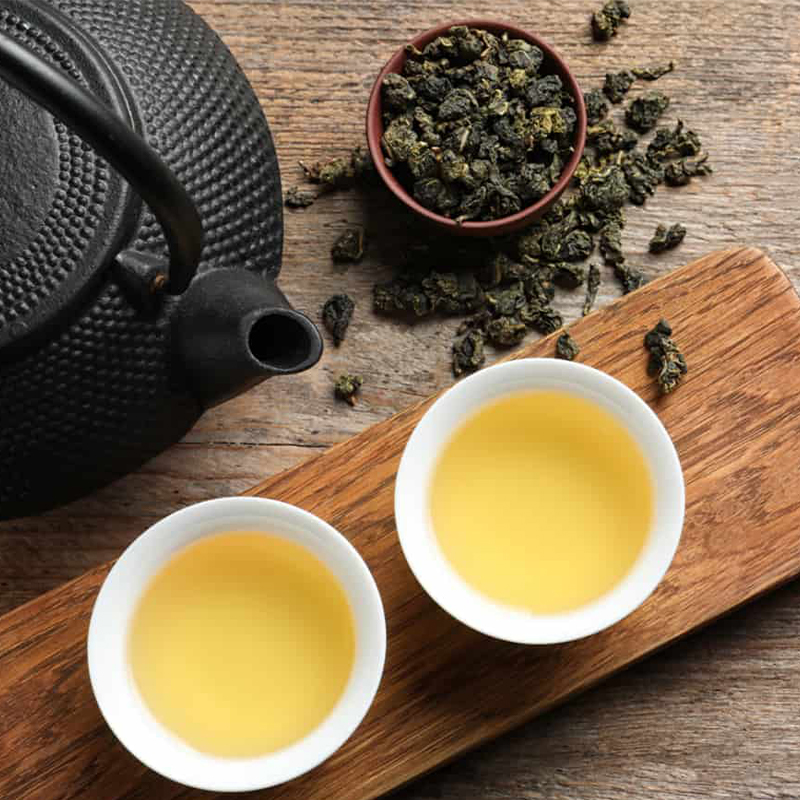
- Liquor colour: a good green tea produces a clear, light yellow-green brew. Cloudiness or dullness can point to flawed processing.
- Infused leaf: after brewing, the leaves should open evenly and feel soft rather than brittle.
On the commercial side, ask for the moisture content. Export green tea is usually kept at or below 7 percent moisture to avoid mould and flavour loss during sea freight. If your destination market has strict pesticide regulations, also request a lab report covering the required residue list. Many buyers confirm these details through a small trial order before they commit to a full container.
Brewing and Storage Basics
Even the best green tea can disappoint if it is brewed or stored badly. General guidance for whole-leaf Chinese green tea is to use water around 80 to 85 degrees Celsius, roughly one gram of leaf per 50 millilitres, and a steeping time of one to two minutes. Adjust later based on your specific recipe: longer steeping brings more bitterness, while cooler water and a shorter time protect sweetness.
Storage matters more than many buyers realise. Green tea is sensitive to humidity, light, oxygen, and strong odours. The bulk bags you ship should be well sealed, and the warehouse should stay cool, dry, and away from spices or chemicals. For retail packs, opaque, airtight packaging will preserve colour and aroma much longer than clear pouches on a bright shelf.
The Practical Side of Sourcing: Working with a Manufacturer-Exporter
Sourcing from a company that owns its processing plant removes one fragile layer of the supply chain. You are not relying on a broker who buys from several factories; you are working with the same team that selects, roasts, grades, packs, and ships the tea. In our own operation, the factory in Huangshan covers 12,000 square metres of floor space inside a 40,000-square-metre site, with an annual production capacity of around 10,000 tonnes. That scale makes it possible to keep consecutive containers consistent.
The flexibility of a manufacturer-exporter also shows in the details. Beyond standard grades, a buyer can negotiate:
- Blending and cutting to a specific particle size range
- Packaging formats from 25-kg bulk cartons to retail-ready pouches
- Pre-shipment sample approval and third-party inspection
- Export documentation and customs coordination
If you are comparing suppliers, ask how they handle re-tests, what happens when the harvest season changes the leaf character, and how quickly they can produce a physical sample. Those answers reveal more about reliability than the code printed on the bag. As a professional China green tea exporter, we keep these details practical precisely because buyers have to live with the outcome for months.
 We sincerely welcome customers from all over the world to visit us and seek common
development and create brilliant future.
We sincerely welcome customers from all over the world to visit us and seek common
development and create brilliant future.
Contact BAODA
 Our Phone
+86-15386682887
+86-13857173531
 E-mail
[email protected]
[email protected]
[email protected]
 Our Address
Room 1601, Building 2, New Town Times Square, 189 Fengqi East Road, Hangzhou, Zhejiang Province, China.
Inquiry Us Now
Copyright © Hangzhou Baoda Tea Co., Ltd. All Rights Reserved
Wholesale China Premium Green Tea Company
