

 English
  Français
 How to Select Chinese Green Tea for Different Markets: A Buyer's Guide
Selecting Chinese green tea for an overseas market goes far beyond tasting a few samples and comparing prices. A Moroccan importer, a French tea brand, and a food manufacturer buying matcha are all purchasing "Chinese green tea," yet they look for different grades, flavors, leaf styles, and even packaging formats. The most practical way to approach this is to first define your target market and its consumption habits, then match those requirements against the standardized grade systems that Chinese export green tea is built on.
The Chinese green tea export industry is largely organized around two traditional categories: Chunmee and Gunpowder. These two styles account for a substantial share of bulk green tea shipped from China to Africa and Europe. For a buyer, understanding the product codes, grade notations, and processing differences within these categories is the foundation of a successful procurement strategy. This guide covers the key factors to evaluate, using the product range of a Chinese green tea manufacturer and exporter with facilities in Anhui province as a practical reference.
Start With the Market: Consumer Habits and Price Positioning
Different regions have distinctly different expectations for green tea. The same tea that sells well in North Africa may perform poorly in Western Europe, and not simply because of taste preferences. The entire supply chain, from import tariffs to retail packaging norms, plays a role. Before contacting suppliers, map out your market's consumption profile using these four dimensions.
Flavor Style: Bold and Bitter vs. Mellow and Sweet
North African markets, particularly Morocco, Algeria, and Mauritania, have a long tradition of consuming green tea with fresh mint and a generous amount of sugar. The tea itself needs a robust, slightly bitter, and highly aromatic character that can stand up to boiling water, prolonged steeping in a teapot, and the addition of sugar. Gunpowder green tea, with its rolled pellets and stronger infusion, is the classic choice. In contrast, Western European consumers generally prefer a milder, sweeter, and less astringent cup. For those markets, a softer Chunmee or a gently pan-fired Longjing style is often a better fit.
Leaf Appearance and Grade Awareness
Some markets are very grade-conscious. French and Belgian buyers, for example, often pay close attention to leaf uniformity, the ratio of tips to broken leaves, and the neatness of the rolled shape. Other markets prioritize price per kilogram above all else, as long as the tea meets basic food safety requirements. In price-sensitive markets, lower grades with slightly more broken leaf or stalk content are acceptable and even expected, because the tea is often further processed or blended.
Packaging and Shelf Presentation
Retail-focused importers need tea that fits their packaging lines and shelf display. A classic export format is 25 kg or 30 kg bulk cartons with a food-grade inner liner. Some buyers request vacuum-packed 5 kg or 10 kg bags for easier handling in their own packaging facility. If you are supplying tea to restaurants or hotels, smaller packages with clear steeping instructions printed on the label may be more appropriate.
Price Elasticity and Supply Stability
Annual procurement volumes matter. A buyer who needs a 20-foot container every quarter has different negotiation leverage than one who orders a single pallet. Chinese green tea prices fluctuate with the spring harvest quality, weather conditions in Zhejiang and Anhui provinces, and domestic demand. Working with a manufacturer who can offer consistent pricing across multiple shipments reduces the risk of having to switch suppliers mid-season.
Understand Chunmee Grades: What 41022 AAA vs. AAAAAAA Actually Means
Chunmee tea, also known as Zhenmei, is the most widely exported Chinese green tea grade. The name comes from the curved, eyebrow-like shape of the dry leaf. Chunmee is classified by a series of product codes, each representing a specific origin and processing style, followed by a grade suffix such as AAA or AAAAAAA. The number of As indicates the quality level, with more As generally denoting better appearance, higher leaf consistency, and a finer flavor.
A common export code is Chunmee 41022, which is made from a specific blend of tea leaves and processed in a standard industrial style. The same supplier typically offers multiple grades within this code to serve different market segments. A buyer targeting a value-oriented market might select Chunmee 41022 AAA for bulk blending programs, while a premium European retail brand would be more interested in the higher A-count grades, which feature more intact leaves and a cleaner cup.
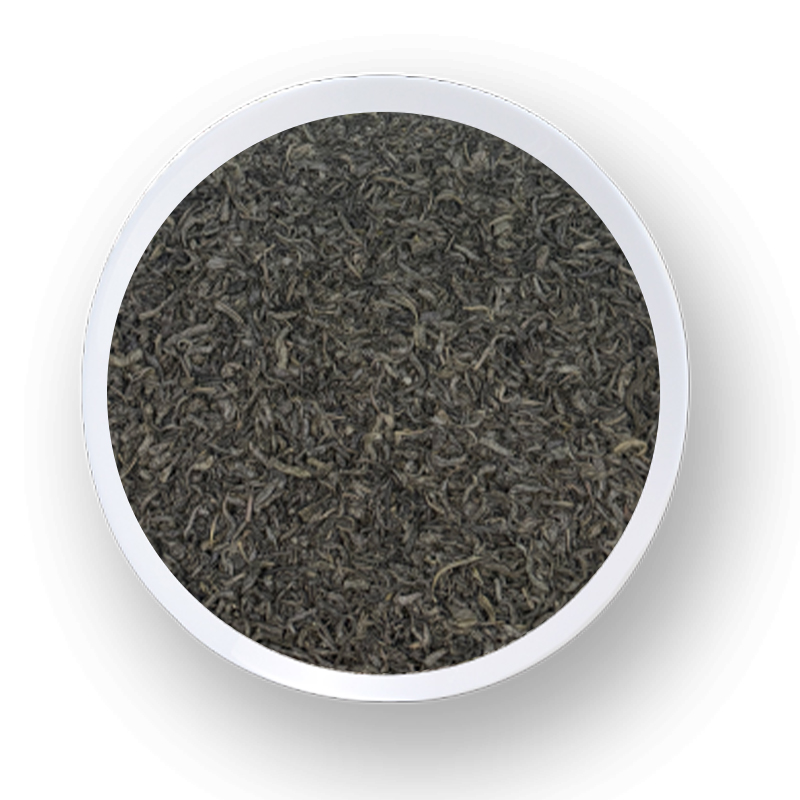 Wholesale Chunmee 41022 AAA Suppliers, CompanyHangzhou Baoda Tea Co., Ltd. Is China Wholesale Private Label Chunmee 41022 AAA Suppliers, Company, 3A·Material: Predominantly 3-leaf sho...View Product →
To illustrate the practical differences, here is a simplified comparison of the grade tiers available from a typical Chinese export manufacturer:
| Grade Designation | Leaf Characteristics | Typical Brewing Style | Common Market Use |
|---|---|---|---|
| Chunmee 41022 AAA | Moderately twisted leaves, some broken pieces, uniform dark color | Traditional strong brew, often with mint or sugar | North African blends, budget-friendly retail lines |
| Chunmee 41022 AAAAA | Well-twisted neat leaves, limited broken content, brighter infusion color | Standard hot water brew, 80-85°C | Mid-range European retail, loose-leaf sales |
| Chunmee 41022 AAAAAAA | High leaf integrity, very few tips or broken leaves, consistent shape | Gentle brew at 75-80°C, clean flavor | Premium retail, specialty tea shops |
| Chunmee 41022 Diamond | Top-tier select leaves, exceptionally uniform, minimal stems | Delicate brewing, pure flavor expression | Luxury tea brands, high-end gift packaging |
This standardization is a major advantage for bulk buyers. Once you have approved a sample of a specific grade, the manufacturer should be able to replicate that quality consistently across multiple batches. The grading system exists precisely to make that repeatability possible. When evaluating a supplier, ask how often they re-test their packing lots and whether they hold a pre-shipment sample for comparison.
Gunpowder Style: The Right Pellet Size and Grade for African and European Cups
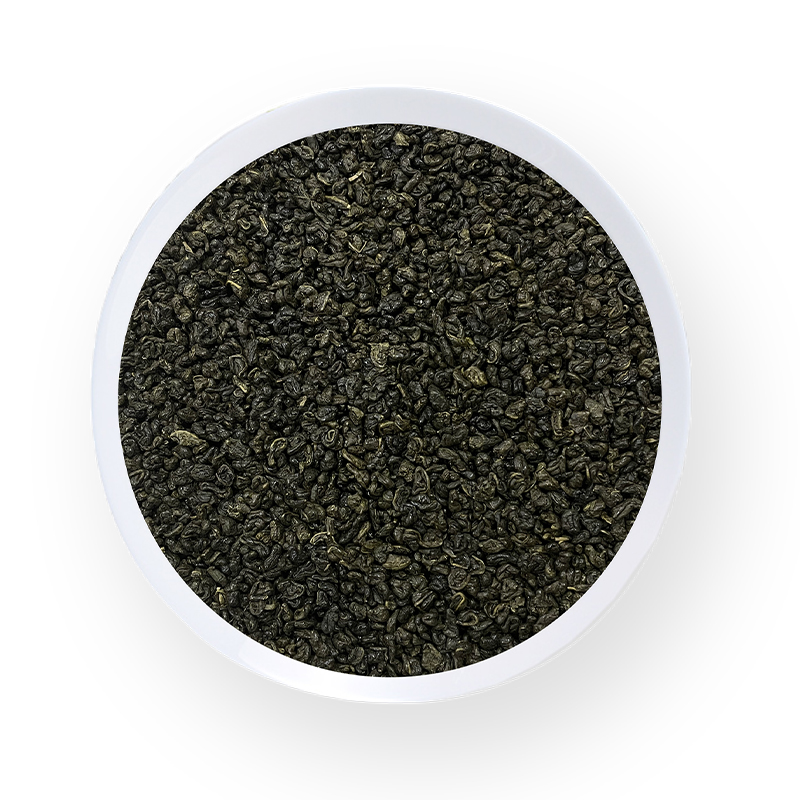
Gunpowder tea gets its name from the tightly rolled pellets that resemble small grains of gunpowder. The production process involves withering, steaming or pan-firing, and then rolling leaves into dense balls. The pellet size, uniformity, and the gloss of the leaf surface all affect both the appearance and how quickly the tea releases flavor.
Gunpowder 3505 is a traditional export specification widely used in North African markets. It comes in grades like A, AA, AAA, and Diamond. The A-grade pellets are smaller and darker, producing a robust and slightly smoky brew, suitable for mint tea ceremonies where boiling water is poured directly over the leaves. AAA and Diamond grades have larger, well-defined pellets with a brighter green color and a smoother taste. These higher grades are increasingly favored in European markets, where consumers often steep gunpowder tea in a standard teapot or infuser and expect a clean, slightly sweet cup without harsh bitterness.
Another spec worth knowing is Gunpowder 3505 AAA for general loose-leaf distribution. It offers a middle ground in terms of both price and flavor intensity. A buyer can introduce this grade to a new retail market while still keeping the option to blend it with other leaves later.
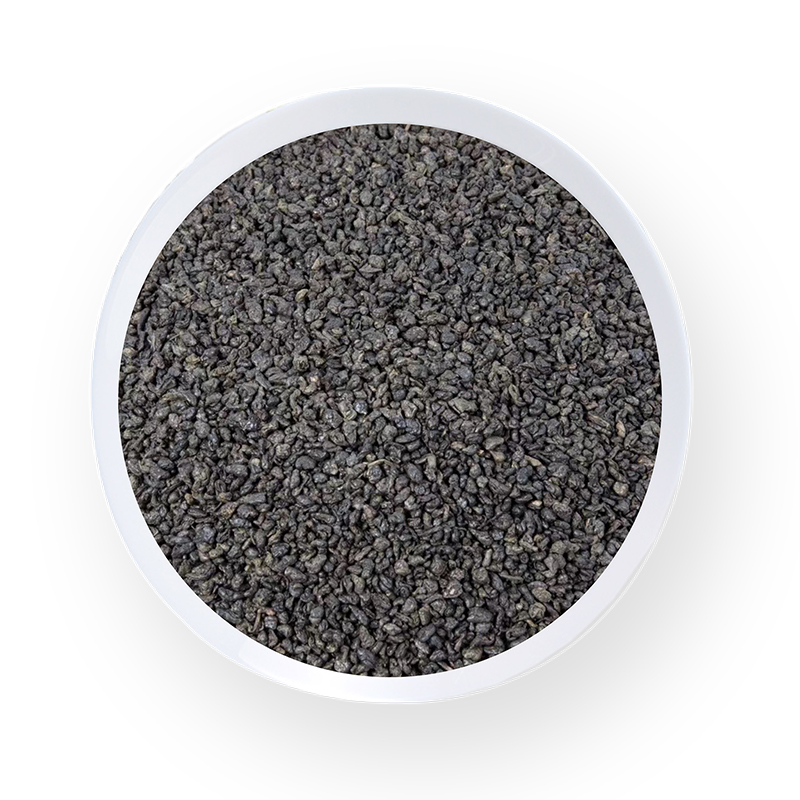 Wholesale Gunpowder 3505 AAA Suppliers, CompanyHangzhou Baoda Tea Co., Ltd. Is China Wholesale Private Label Gunpowder 3505 AAA Suppliers, Company, Gunpowder 3505 AAA represents the hi...View Product →
When comparing quotes for gunpowder tea, pay attention to the pellet specifications, not just the price. The size of the pellets is critical. A "gros grain" (coarse grain) gunpowder tea has much larger pellets and a different infusion profile than a standard grain. If your market expects the classic fine-grain style, delivering a coarse-grain batch will lead to complaints even if the quality is objectively good.
Beyond the Bulk Categories: Evaluating Special Green Teas
Not every buyer is sourcing commodity leaf for blending or bagged tea. Specialty Chinese green teas such as Longjing, Maofeng, and Matcha are becoming more popular in European retail channels and food service operations. These categories require a different evaluation approach, because the selling point is origin, aroma, and visual appeal rather than standardized grade consistency.
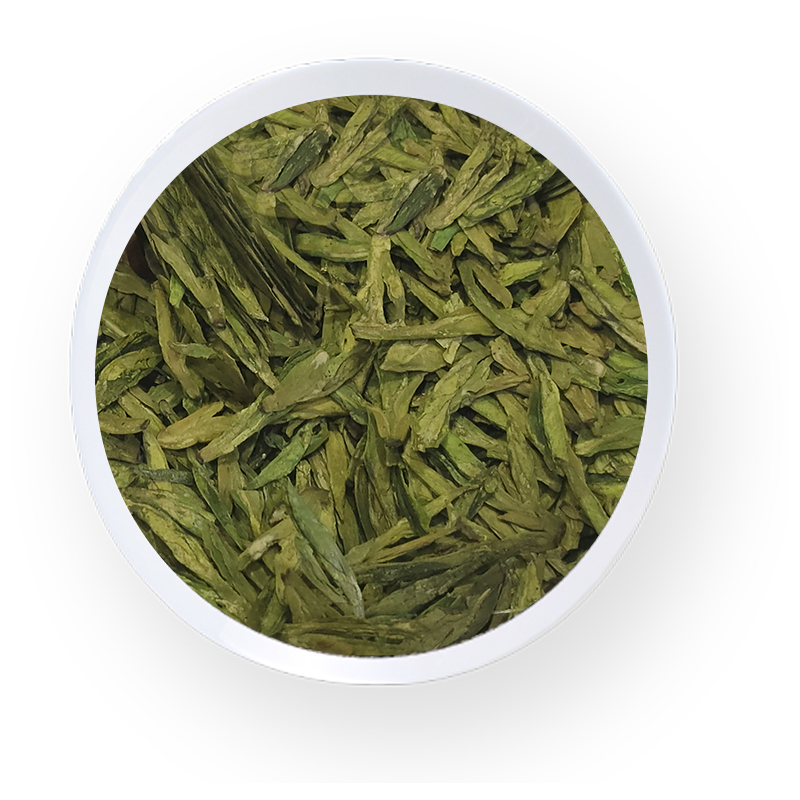
Longjing tea from Zhejiang province, for example, must have flat, smooth, and evenly pressed leaves. The most well-known Longjing production area is around West Lake in Hangzhou, and prices for that origin are significantly higher. A buyer should be clear about whether they want West Lake Longjing or a "Longjing-style" tea from Zhejiang or another province. The latter is legitimate and often better value, but it must not be labeled as the protected origin. Longjing tea for retail loose-leaf packaging is a good choice for importers who want a recognizable name without paying the top auction prices.
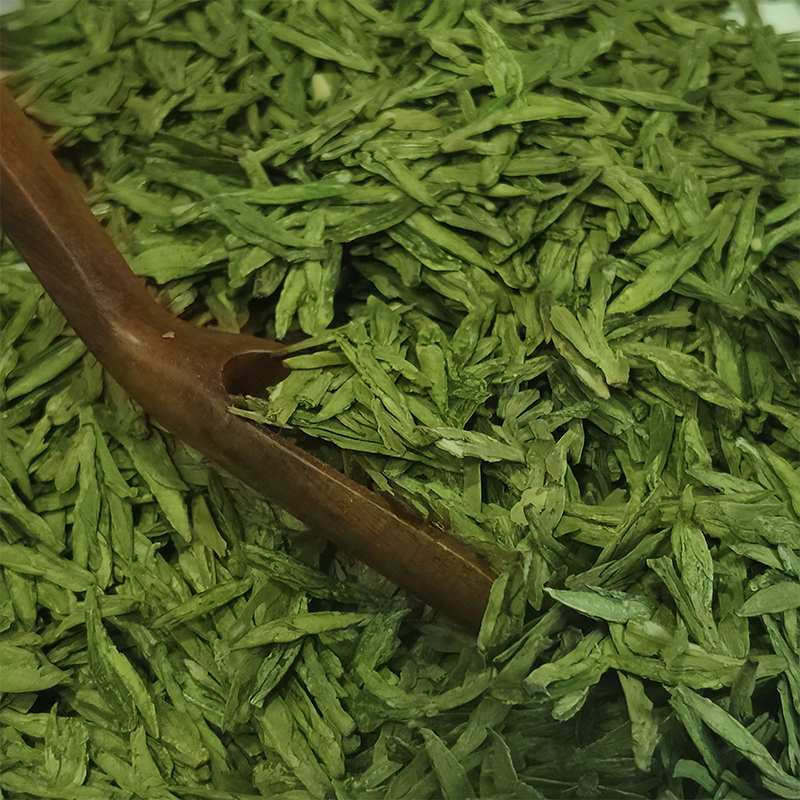 Chinese Longjing Tea, Longjing Tea Leaves Company, SuppliersWe Are China Longjing Tea Leaves Company, Suppliers, Hangzhou Baoda Tea Co., Ltd. Wholesale Private Label Chinese Longjing Tea For Sale.View Product →
Maofeng tea is processed from tender leaf buds, giving it a distinctive downy appearance. The flavor is fresh and mellow, with a sweet aftertaste. It is less common in bulk export but works well in curated tea collections. Matcha, on the other hand, is a completely different product: leaf ground to a fine powder, used in beverages and baked goods. Matcha sourcing requires attention to color, particle size, and bitterness. Ceremonial-grade matcha is vibrant green and smooth, while culinary-grade is darker and more astringent. A matcha buyer should request a particle size analysis report and a color value reading to ensure the product matches the intended application.
Quality Control and Food Safety: Non-Negotiable Factors
Green tea is consumed as a beverage, which means it goes directly into hot water. Food safety compliance is not just a legal matter; it is a brand risk issue. Importers into the European Union must ensure their tea meets the EU's maximum residue limits for pesticides. Some African markets have their own pesticide regulations, which are often based on Codex Alimentarius standards. A reliable supplier should be willing to provide a recent pesticide residue analysis report upon request.
The physical factory inspection matters too. A manufacturer with a large production floor, modern processing machinery, and internal quality control staff is more likely to deliver consistent shipments. Baoda Tea, for example, operates a 12,000-square-meter production facility in Huangshan, Anhui province, with an annual capacity of 10,000 tons. Huangshan is a well-known tea-producing region, giving the company direct access to quality raw material. A factory visit, whether physical or virtual, is a standard step before committing to a large order.
Microbiological safety is another consideration. Green tea is dried at high temperatures, which kills most vegetative bacteria, but the raw leaf can still carry contamination from the field. Buyers should ask about the drying temperature profile and whether the factory runs routine microbiological tests on finished products. The processing machinery should be cleaned and sanitized regularly, and the packaging area should be protected from dust and pests. A factory that can show a HACCP plan or ISO certificate is usually taking quality control seriously.
Logistics, Documentation, and the Right Commercial Partner
The selection process does not end when the tea passes quality tests. Shipping terms, documentation, and the supplier's ability to respond quickly to questions matter equally. Chinese tea is typically packed in cartons of 25 kg or 30 kg, with options for inner polybags or foil pouches, and loaded into containers for sea freight. The port of loading for tea from Anhui and Zhejiang provinces is usually Shanghai or Ningbo, both of which have regular sailings to the Mediterranean, North Africa, and Northern Europe.
When a shipment arrives, the buyer needs to be able to verify that the delivered tea matches the approved sample. Keep a sealed reference sample with the purchase order number. Photos are useful, but an actual sample in a sealed bag is better, because it allows your own lab or an independent inspection agency to compare color, aroma, and moisture content. The contract should specify an allowable moisture content (typically 6-7.5% for green tea), a maximum broken-lead percentage, and the acceptable range for foreign matter. Inspection can be carried out by a third-party pre-shipment service or by the buyer's own representative at the factory.
Supplier communication is the last factor to evaluate. A tea exporter who answers your technical questions clearly, provides complete shipping documents, and warns you about an upcoming harvest delay is worth more than a cheap price. A good commercial partner also helps you adjust specifications if your market shifts. For example, if you normally import Chunmee 9371 for your retail line, but your customers start showing interest in a lighter flavor, the supplier should be able to point you to an alternative spec such as Chunmee 9380 or a different grade of the same code.
For a deeper look at how quality differs across grades, refer to this practical guide to evaluating green tea quality. The same principles apply when you compare multiple suppliers and send out sample requests. The final choice of Chinese green tea for a given market comes down to matching leaf style, grade, and budget against the tastes and purchasing behavior of that market, and then verifying that the supplier can deliver it consistently. By following the systematic approach described here, you can reduce the guesswork in your sourcing and build a stable, long-term import program.
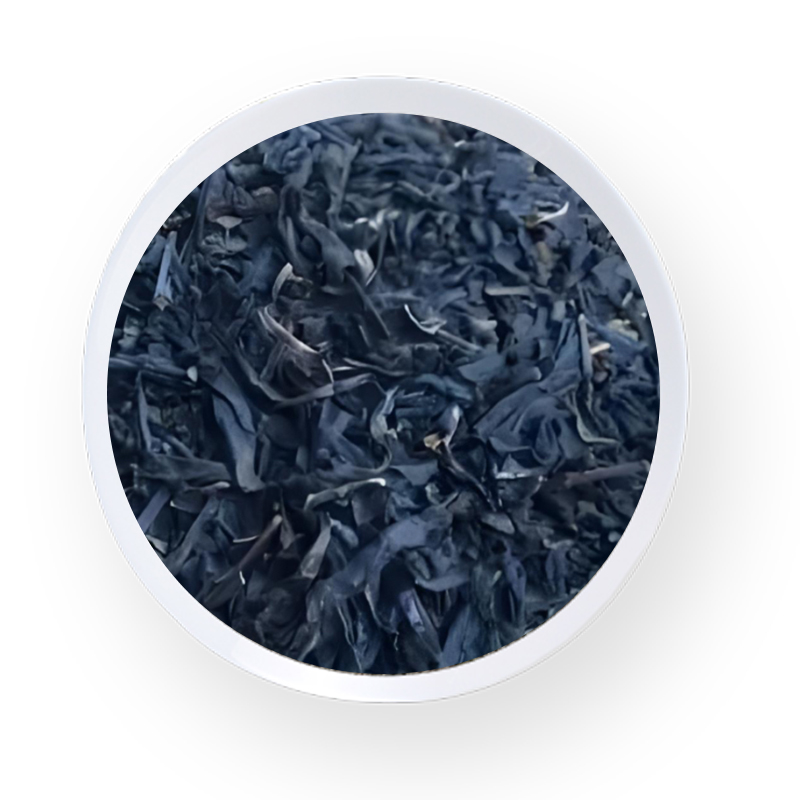
 We sincerely welcome customers from all over the world to visit us and seek common
development and create brilliant future.
We sincerely welcome customers from all over the world to visit us and seek common
development and create brilliant future.
Contact BAODA
 Our Phone
+86-15386682887
+86-13857173531
 E-mail
[email protected]
[email protected]
[email protected]
 Our Address
Room 1601, Building 2, New Town Times Square, 189 Fengqi East Road, Hangzhou, Zhejiang Province, China.
Inquiry Us Now
Copyright © Hangzhou Baoda Tea Co., Ltd. All Rights Reserved
Wholesale China Premium Green Tea Company
