

 English
  Français
 Jasmine Tea Explained: Scenting Grades, Brewing Methods, and Bulk Buying Tips
A 40-foot container of jasmine tea leaves Huangshan, Anhui, carrying the same floral signature it had the night it was scented. Whether it arrives in Casablanca or Antwerp tasting fresh or flat depends on the number of scenting rounds, the quality of the green tea base, and a final moisture content below 7 percent. For importers who already know the difference between whole and broken leaf, the real decision is about verifying a process that controls aroma, shelf life, and landed cost.
What Makes Jasmine Tea Different from Flavored Tea
Jasmine tea is a scented tea, not a flavored one: dry leaves absorb volatile oils released by fresh jasmine blossoms during a physical scenting cycle, and no artificial flavoring is added at any point.
Jasmine tea is made by layering green tea with freshly picked Jasminum sambac flowers, letting the dry leaf absorb the aromatic oils, removing the spent blossoms, and re-firing the leaf. One full cycle is called a scenting round.
The difference between scented and flavored tea decides how the product behaves in the cup and in the warehouse. A scented aroma is absorbed into the leaf tissue, so it releases in layers across successive infusions and peaks during the first 18 to 24 months after processing. A flavored tea has fragrance sprayed onto finished leaf; it smells strong in the bag, but the aroma sits on the surface and fades quickly once brewed, often masking low-grade base leaf.
Scented jasmine tea
Real blossoms picked and layered at night. Aroma is absorbed into the leaf, releases gradually over several infusions, and defines premium retail pricing.
Jasmine-flavored tea
Sprayed fragrance oils on finished tea. The smell is immediate and flat, and it does not carry through multiple infusions. It is cheaper for a reason.
Quick sensory test: rinse 3 grams of dry leaf with 80°C water in a covered cup for two minutes. A genuinely scented jasmine tea smells floral but tastes clean, while a flavored product smells sweet before the water even touches the leaf.
How Scenting Works, Step by Step
A full scenting cycle takes 10 to 14 hours, and premium grades repeat that cycle five to seven times before the finished tea is re-fired and packed.
- Fresh jasmine sambac buds are picked in the late afternoon, before they open.
- The buds open in the evening and are layered with the tea in ventilated stacks for 8 to 12 hours.
- Spent blossoms are sifted out; the tea now carries a first, still-thin layer of aroma.
- The leaf is re-fired to push moisture below 7 percent, which locks in the aroma and prevents mold.
- The cycle is repeated for premium grades; each round adds density and persistence to the floral note.
The base leaf matters as much as the flower. A tender, well-graded green tea, such as a maofeng green tea base, absorbs aroma more evenly and produces a rounder cup than coarse leaf. Hangzhou Baoda Tea Co., Ltd., a green tea manufacturer and exporter with a 12,000-square-meter processing plant in Huangshan, routes its specialty tea lines through the same quality loop used for bulk chunmee and gunpowder contracts.
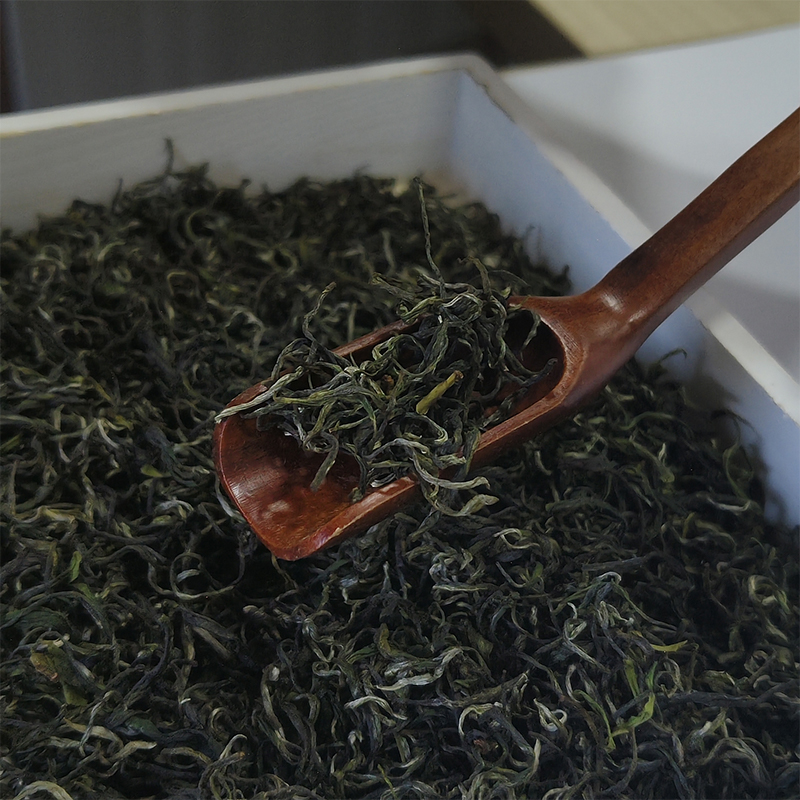 Wholesale MaoFeng Tea Suppliers, CompanyHangzhou Baoda Tea Co., Ltd. Is China Wholesale Private Label MaoFeng Tea Suppliers, Company, Huangshan Maofeng is the most famous variet...View Product →
Grades, Scenting Rounds, and What You Actually Pay For
Grade in jasmine tea is set first by the number of scenting rounds and second by the quality of the green tea base, so the cheapest quote usually means fewer rounds rather than a better deal.
Exporters grade jasmine tea along a spectrum that combines leaf appearance with the depth of the flower aroma. The table below shows the grades most often quoted in export samples.
| Grade | Scenting rounds | Typical base leaf | Aroma character | Common use |
| Standard | 1-2 | Broken or coarse green leaf | Light, short-lived | Tea bags, blends |
| Premium | 3-4 | Whole-leaf green tea | Fresh, balanced | Retail loose leaf |
| Superfine | 5-7 | Tender bud sets | Rich, layered, lingering | High-end retail, gifting |
| Jasmine pearls | 3-5 | Rolled leaf, pearl form | Concentrated, slow release | Specialty stores |
Aroma build-up across scenting rounds, relative scale
Aroma intensity measured relative to a seven-round tea at 100 percent. Values are sensory benchmarks, not laboratory measurements.
Buyers should ask for the scenting round count in writing on the specification sheet. It is the single most important pricing number in a jasmine tea order and the first thing to check when choosing a Chinese jasmine green tea.
Brewing Jasmine Tea Without Wasting the Aroma
Brew jasmine green tea at 80°C (176°F) for two to three minutes; hotter water releases bitter catechins and evaporates the floral note that determines the price.
- Use 80°C water; boil the kettle, then let it rest for three minutes.
- Measure 3 to 4 grams of leaf per 250 ml cup.
- Steep the first infusion for 2 to 3 minutes and the second for 3 to 4 minutes.
- Keep opened packs sealed, cool, and away from light and spice cabinets.
- For jasmine pearls, add 20 seconds per infusion as the leaf slowly unfurls.
Retailers and food service buyers can share these parameters directly with end customers. The same rules that apply to bulk China green tea generally, including the standard brewing methods for China green tea, apply to its scented jasmine version.
Rule of thumb: a five-round whole-leaf jasmine tea yields three balanced infusions, while a one-round bagged tea gives one. The number of infusions is a quick way to distinguish grades without reading a spec sheet.
Bulk Buying Checklist for Jasmine Tea Importers
Before signing a jasmine tea order, an importer should verify four things that never appear on the label: moisture content, scenting round count, base leaf grade, and whether the aroma survives re-firing.
Each of these numbers maps to a specific check during sourcing and inspection.
- Request a certificate of analysis that states moisture, foreign matter, and sensory grading for the shipment batch.
- Confirm the number of scenting rounds in the contract, not just on the offer sheet.
- Ask for a cut sample from the actual production lot, not a laboratory-prepared sample.
- Verify the base tea grade: whole leaf, broken leaf, or bud sets, and the harvest season of that base.
- Check packaging: aluminum-lined, food-grade bags, usually 25 kg or 40 kg net for container shipment.
- Confirm lead time after sample approval; scented lines are produced in dedicated runs.
Because jasmine tea sits in the same supply chain as chunmee and gunpowder, importers who already buy those grades can consolidate orders with one supplier. The same factory that grades chunmee 41022 and gunpowder 3505 can route qualified base leaf into scented production, which shortens sourcing time and tightens quality control. For storage, the rules for the base green tea apply: keep the leaf sealed, dry, and away from light, following the same principles used when storing green tea to preserve freshness.
For a scented line, request samples from the actual shipment batch and re-fire a portion in the oven at low heat before judging the aroma. Baoda supplies jasmine tea through its specialty tea export program, with grade-specific samples and scenting-round specifications available on request.
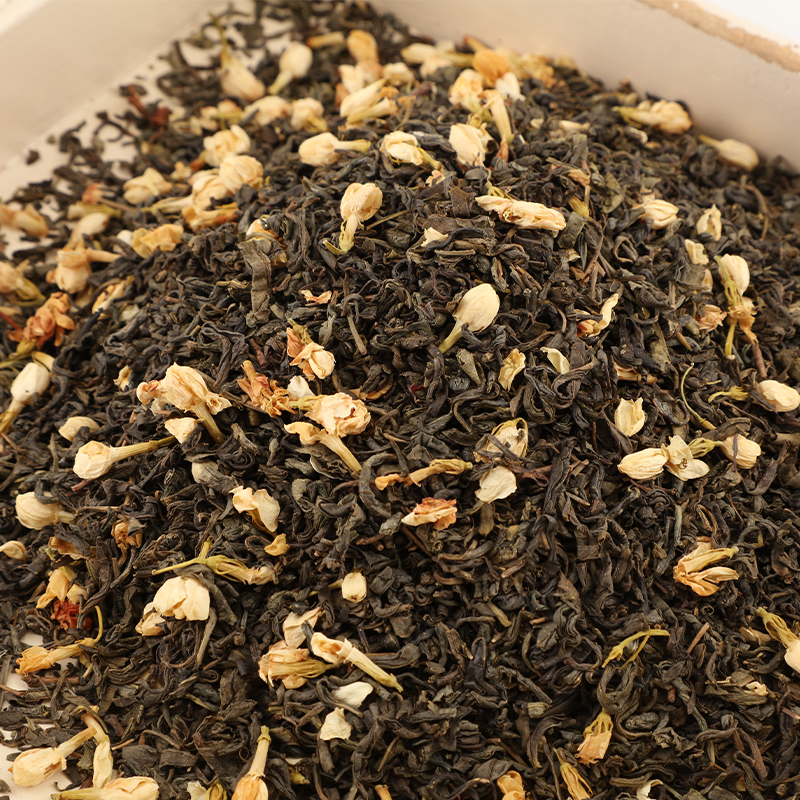 Chinese Organic Jasmine Green Tea, Premium Jasmine Tea CompanyHangzhou Baoda Is Chinese Organic Jasmine Green Tea Suppliers, Premium Jasmine Tea Company, We Wholesale Private Label Premium Jasmine Te...View Product →
Where Jasmine Tea Moves in Export Markets
European specialty retail and North African value-added blends are the two fastest-moving channels for exported Chinese jasmine green tea.
In France, Belgium, the Netherlands, Spain, and Italy, jasmine tea sells mainly as whole-leaf retail packs in natural food shops, tea rooms, and specialty e-commerce. In Morocco, Algeria, and Mauritania, importers treat it as a premium variation of their regular green tea orders, adding it to blended retail lines or serving it at food service counters. Because jasmine tea shares container and certification logistics with unflavored green tea, it is economical to source alongside existing green tea contracts.
The practical consequence for buyers: jasmine tea is no longer a niche item. A supplier whose Huangshan plant carries an annual capacity of 10,000 tons can add jasmine as a scented side line without changing the logistics chain, which is why pricing stays competitive even for higher scenting rounds.
Frequently Asked Questions
Importer verification test: place 5 grams of jasmine tea on a white dish, pour 80°C water to cover it, and wait two minutes. Check the wet leaf for uniform shape and the liquor for a clean floral smell. That one test exposes most grade mislabeling.
Does jasmine tea contain caffeine?
Yes. Caffeine comes from the green tea base, so jasmine green tea carries roughly the same caffeine load as other green teas: about 25 to 40 mg per 250 ml cup, lower than black tea and far below coffee.
How long does jasmine tea stay fresh?
In sealed, aluminum-lined packaging, a well-scented jasmine tea keeps its peak aroma for 18 to 24 months. After opening, the floral top note fades faster than the green tea taste, so retailers should rotate stock by aroma, not by sell-by date alone.
Can jasmine tea be made from any green tea?
Technically yes, but the base leaf quality sets the ceiling. Coarse and broken leaf can take one or two rounds without harshness, while tender whole leaf absorbs repeated scenting and carries the aroma longer. That is why premium jasmine tea is always linked to a named base tea, such as maofeng or a graded chunmee.
What is a typical minimum order for bulk jasmine tea?
Exporters usually quote by container or by metric ton, because each scenting round is a separate production run with its own flower sourcing. Importers should confirm the minimum order per grade: a five-round tea may require a smaller production batch than a standard two-round line.
 We sincerely welcome customers from all over the world to visit us and seek common
development and create brilliant future.
We sincerely welcome customers from all over the world to visit us and seek common
development and create brilliant future.
Contact BAODA
 Our Phone
+86-15386682887
+86-13857173531
 E-mail
[email protected]
[email protected]
[email protected]
 Our Address
Room 1601, Building 2, New Town Times Square, 189 Fengqi East Road, Hangzhou, Zhejiang Province, China.
Inquiry Us Now
Copyright © Hangzhou Baoda Tea Co., Ltd. All Rights Reserved
Wholesale China Premium Green Tea Company
