

 English
  Français
 Chinese Green Tea Grades Explained: How Quality Is Classified?
In global tea sourcing, Chinese Green Tea Grades are the single fastest way to predict cost, flavor, and shelf appeal before a single leaf is brewed. For importers, private-label brands, and beverage manufacturers, misreading a grade spec can mean an entire container of stock that does not match customer expectations. This guide breaks down exactly how grading works and how to buy with precision.
What Actually Determines a Green Tea Grade
Chinese Green Tea Grades are set by a combination of raw leaf quality, harvest timing, bud-to-leaf ratio, processing precision, and final sensory performance. No single factor decides the grade alone; graders weigh appearance, aroma, and brewed liquor together against a reference standard. A tea with beautiful dry-leaf appearance but a flat cup will still be marked down, which is why professional grading always includes a wet-leaf tasting step, not just a visual check.
A grade is a promise about consistency, not just quality. Buyers pay for the guarantee that every kilogram in a shipment performs the same way in the cup.
Harvest Season Is the First Filter
Spring-harvested leaves consistently outrank summer and autumn picks because young growth carries more aroma compounds and less bitterness-driving polyphenol concentration. Early spring Chinese Green Tea Grades command the steepest premiums in wholesale markets, often two to three times the price of summer-picked material from the same garden.
- Spring flush: tender leaves, fresh aroma, highest grade potential
- Summer flush: fuller-bodied, more astringent, mid-tier positioning
- Autumn flush: mature leaves, cost-efficient for blending and extraction
Leaf Appearance and Bud Ratio Signal Quality at a Glance
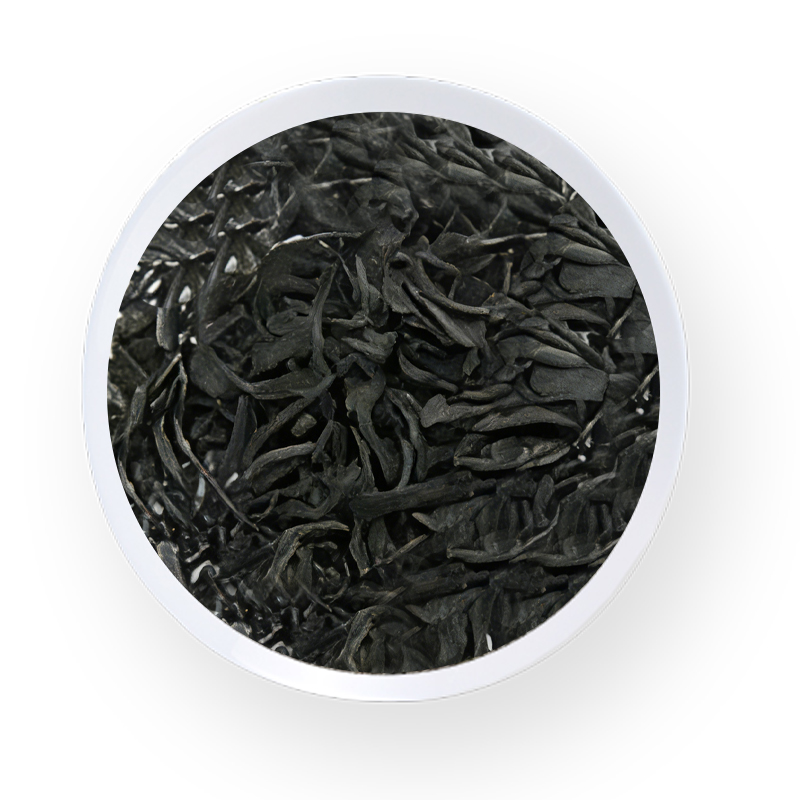
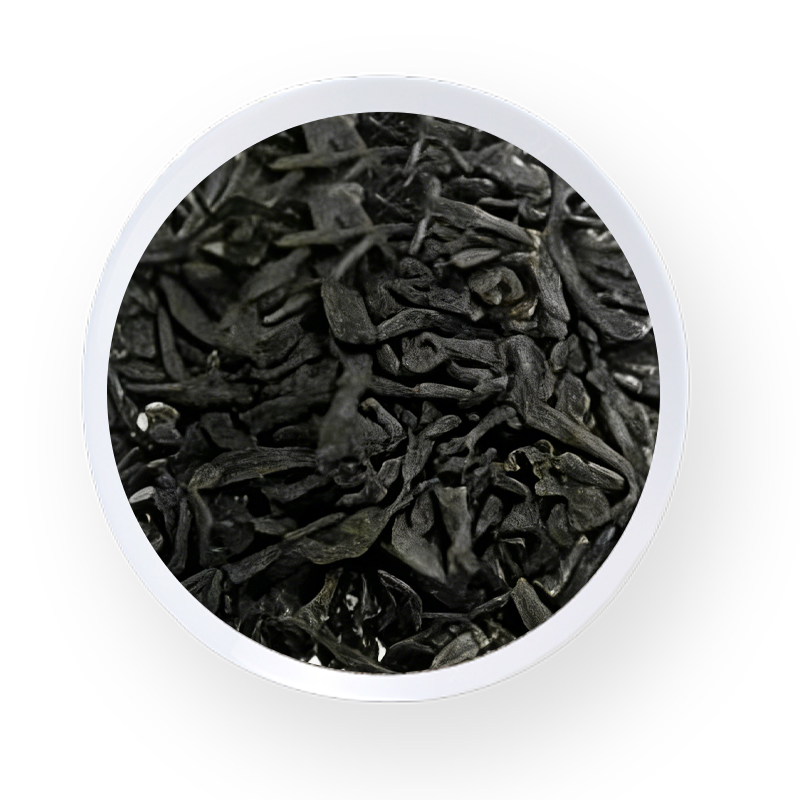
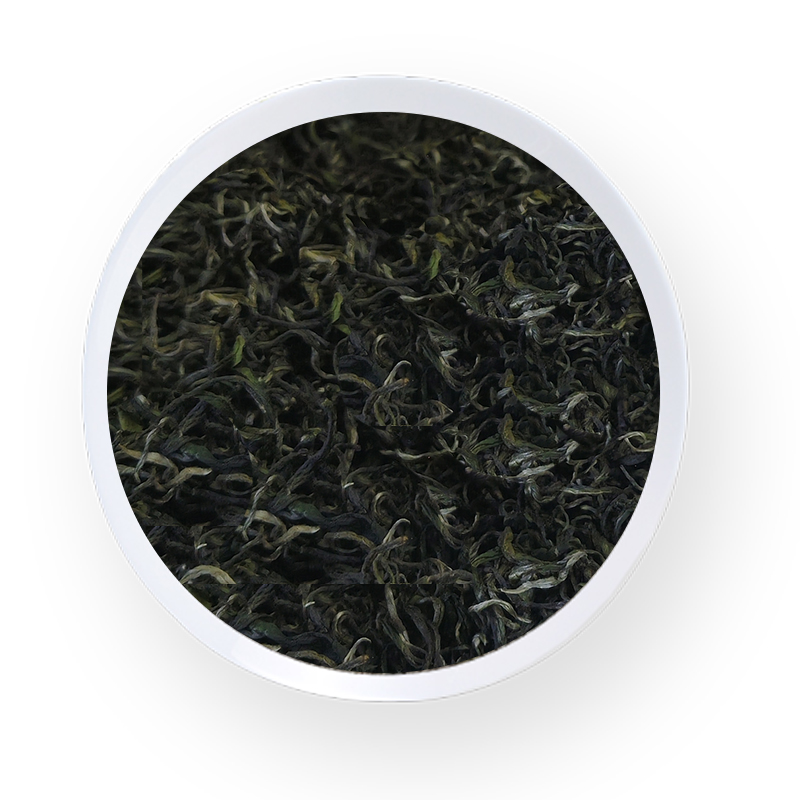
Before a cup is ever brewed, graders inspect leaf uniformity, color, and the proportion of tender buds. A higher bud-to-leaf ratio typically means the tea was picked earlier and handled more carefully, both of which raise its market tier.
Higher Grade Signals
- Uniform, bright green leaf color
- High proportion of unopened buds
- Whole, unbroken leaf structure
- Minimal stem or fragment content
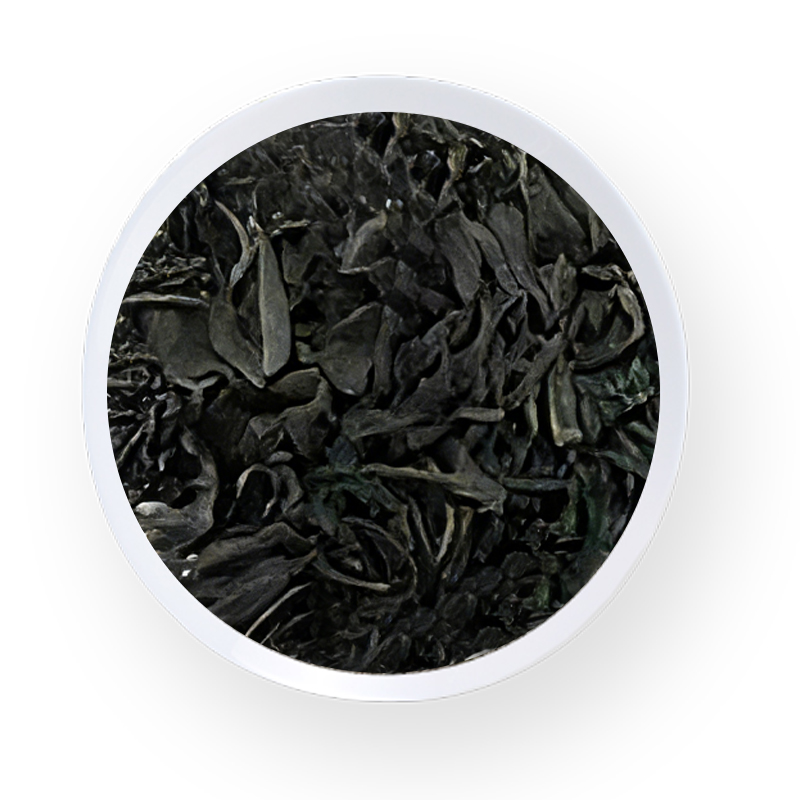
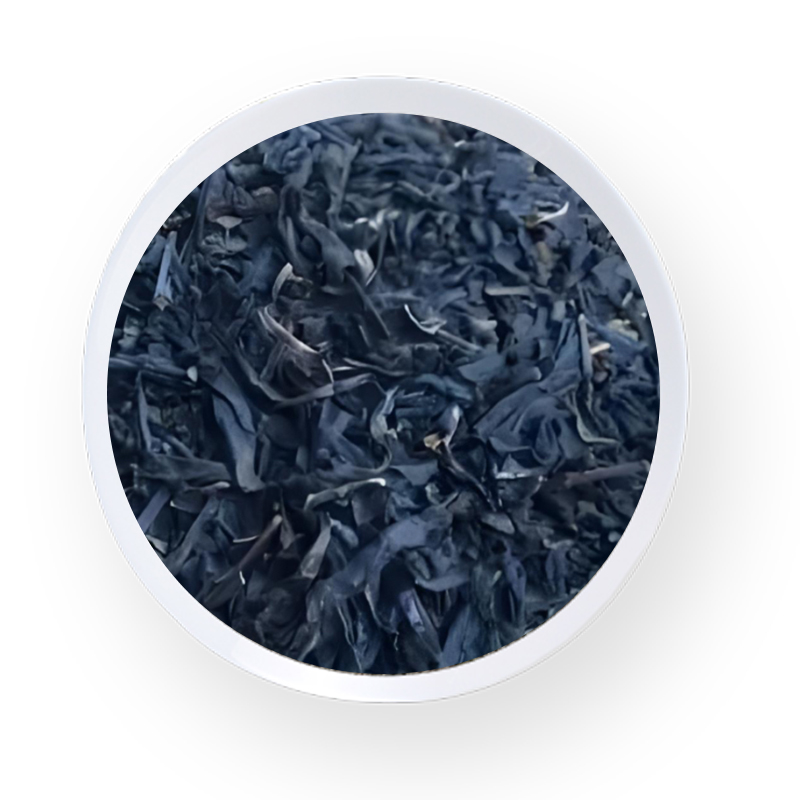
Standard Grade Signals
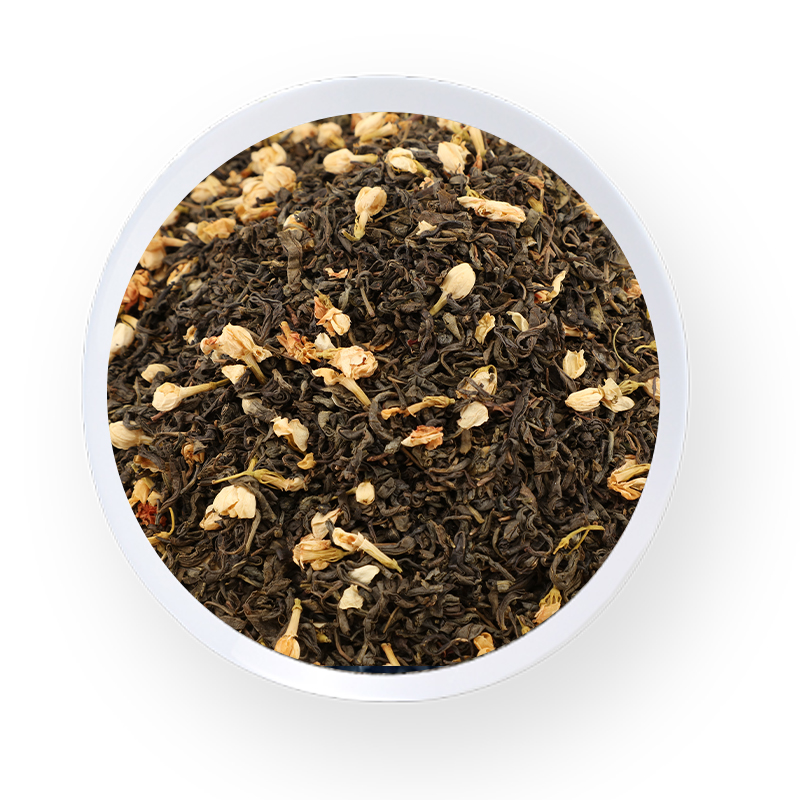
- Mixed leaf sizes and colors
- Higher share of mature leaves
- More broken or fragmented pieces
- Suited to bagged tea and extraction
Aroma and Flavor Are the Final Verification Step
Visual inspection narrows the range, but the cup confirms the grade. Premium Chinese Green Tea Grades deliver a clean vegetal aroma, smooth mouthfeel, and a balanced aftertaste with no harsh edges. Lower grades tend toward a simpler, more one-dimensional profile that still performs well once blended or brewed at scale for beverage applications.
Processing Precision Locks In the Grade
Every batch passes through fixation, rolling or shaping, drying, and sorting, and the precision at each stage determines whether raw material with premium potential actually reaches a premium grade. Rushed fixation or uneven drying can drop an otherwise excellent spring harvest down a full tier.
Picking
Leaves selected by hand or machine based on target grade specification.
Fixation
Heat treatment halts oxidation to preserve the green color and fresh aroma.
Shaping
Rolling, curling, or flattening defines the tea's final visual category.
Sorting
Leaves are separated by size and quality into their final market grade.
Matching a Grade to Your Business Model
The right choice among Chinese Green Tea Grades depends entirely on the end application, not on chasing the highest tier available.
| Buyer Type | Recommended Grade | Primary Reason |
| Specialty tea brand | Premium Grade | Stronger brand positioning |
| Tea beverage manufacturer | Standard Commercial | Cost efficiency at volume |
| Blending company | Grade 1 / Grade 2 | Flexible, balanced cost-quality |
Working With a Reliable Supplier
Consistency across shipments matters as much as the grade label itself. Buyers should confirm a supplier's raw material sourcing, sorting technology, and quality control process before committing to bulk volumes of Chinese Green Tea Grades, since grading standards can vary between regions and factories even within the same nominal tier.
What is the highest grade of Chinese green tea?
Premium Grade, typically made from early spring buds and tender leaves, sits at the top of the classification system and is used for specialty retail and gift tea.
Does a higher grade always mean better value for my business?
No. Beverage manufacturers often get better value from Standard Commercial Grade, since extraction performance and cost efficiency matter more than delicate aroma for blended drinks.
Why does spring-harvested tea cost more?
Spring leaves are younger and more tender, carrying more aroma compounds and less bitterness, which naturally places them in higher grade categories.
Can I use lower grade tea for a premium product?
It is not recommended. Lower grade leaves lack the aroma refinement and appearance consistency that premium branding and specialty retail require.
 We sincerely welcome customers from all over the world to visit us and seek common
development and create brilliant future.
We sincerely welcome customers from all over the world to visit us and seek common
development and create brilliant future.
Contact BAODA
 Our Phone
+86-15386682887
+86-13857173531
 E-mail
[email protected]
[email protected]
[email protected]
 Our Address
Room 1601, Building 2, New Town Times Square, 189 Fengqi East Road, Hangzhou, Zhejiang Province, China.
Inquiry Us Now
Copyright © Hangzhou Baoda Tea Co., Ltd. All Rights Reserved
Wholesale China Premium Green Tea Company
