

 English
  Français
 Chinese Green Tea Trends in the International Market: A 2026 Buyer's Guide
The global green tea market is projected to grow from USD 24.68 billion in 2026 to USD 51.10 billion by 2034, a compound annual growth rate of 9.52%. China anchors this expansion, accounting for roughly 30% of global green tea market value and producing an estimated 2.1 million metric tons in 2024, according to industry trade reporting. For international buyers, the practical question is no longer whether demand will rise, but which shifts in product mix, grade expectations, and sourcing behavior will matter most when planning orders over the coming seasons.
Health-driven premiumization is changing grade selection
The clearest procurement trend is the move toward higher grades. Green tea is the largest tea category in China, holding about 38.7% of the domestic market, in large part because of its association with health and wellness. That association now drives buying decisions abroad. Importers who once ordered a single standard grade increasingly request a tiered structure, with a base volume for blending and a higher grade for retail or private-label programs.
What grading means in practice
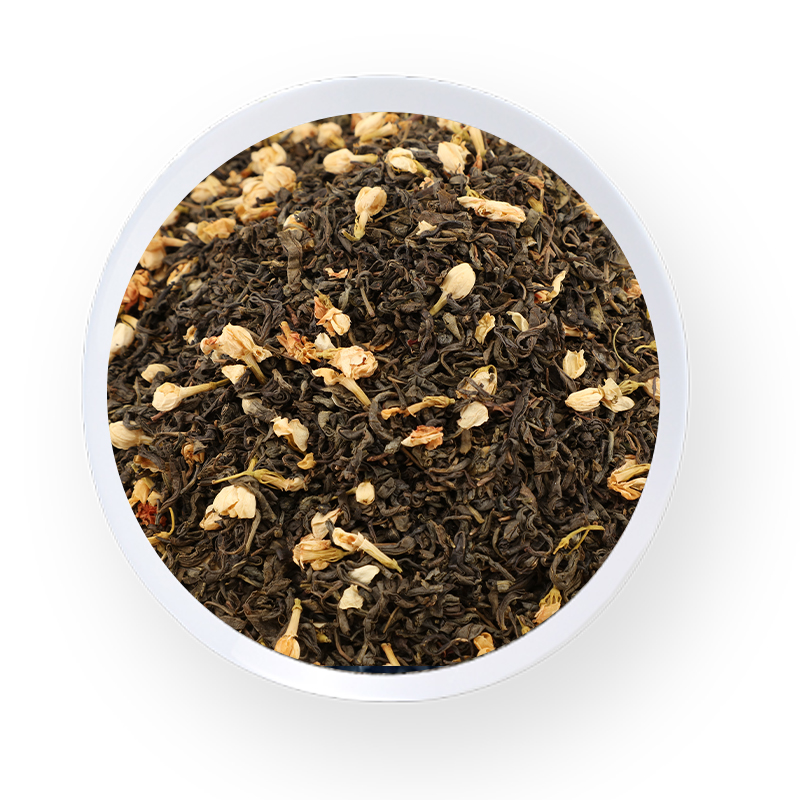
In Chinese export green tea, grade reflects leaf uniformity, color, aroma, and the clarity of the brewed liquor. Chunmee is a good example because it is one of the most widely shipped green tea styles. A supplier offering 4011, 41022 AAA, several intermediate 41022 levels, and a top Diamond tier gives an importer the flexibility to hit different price points without changing origins or suppliers. The difference between a standard and a premium grade is visible in dry-leaf appearance and liquor quality, and it directly affects what consumers are willing to pay.
| Grade tier | Profile | Typical use |
|---|---|---|
| Chunmee 4011 / 41022 AAA | Uniform leaf, solid export standard | Blends, value retail packs |
| 41022 AAAAA and above | Finer leaf, brighter liquor, cleaner aroma | Mid-tier retail, restaurant programs |
| 41022 Diamond | Carefully sorted leaf, stronger premium profile | Specialty retail, gift channels |
For buyers, the practical implication is clear: structure purchases around a primary grade plus one step up instead of locking in a single specification. This is also where a supplier's consistency matters most. When comparing a Chunmee 41022 AAA grade against higher tiers, ask for a sample cut from the most recent production. A reliable exporter should be able to demonstrate stable leaf size and liquor quality across seasons.
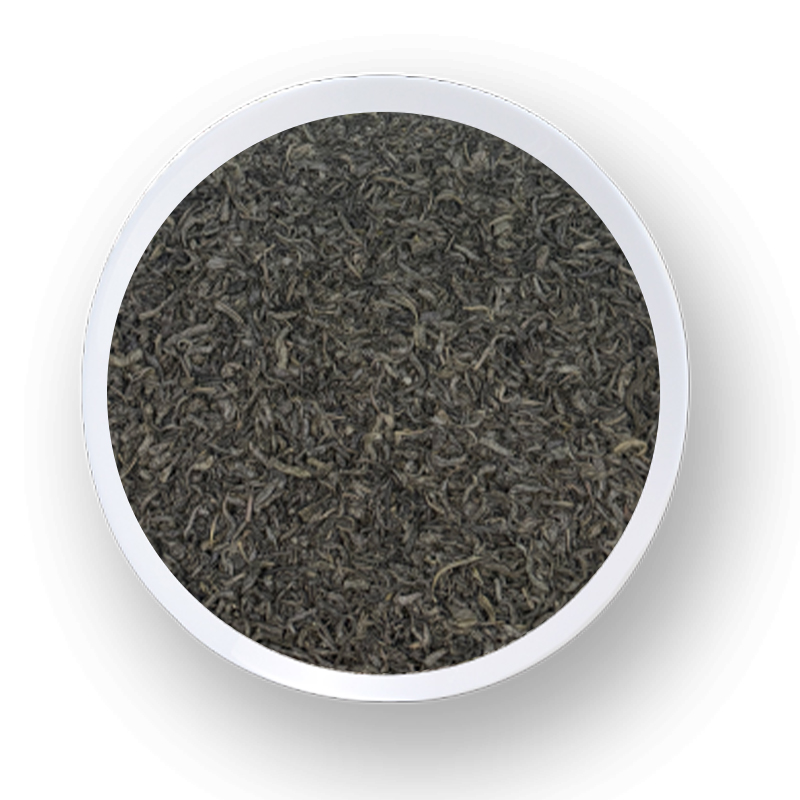 Wholesale Chunmee 41022 AAA Suppliers, CompanyHangzhou Baoda Tea Co., Ltd. Is China Wholesale Private Label Chunmee 41022 AAA Suppliers, Company, 3A·Material: Predominantly 3-leaf sho...View Product →
Premium demand is no longer limited to specialty channels
Even price-sensitive destination markets show a two-tier structure. Established brands hold the entry level, while a growing retail segment positions green tea as a daily wellness drink, creating room for mid-premium grades. Importers who build a grade ladder with their supplier now will be better positioned than those who keep buying only the most economical specification.
Matcha and format innovation are opening new procurement lanes
China's matcha boom is one of the most visible developments in the sector. Domestic use of matcha has expanded rapidly, with the powder appearing in noodles, dumplings, drinks, and desserts, and producers are scaling up capacity to serve both local and export demand. Internationally, matcha is no longer just a beverage ingredient. Bakery, ice cream, and ready-to-drink brands now purchase it as a core raw material, which creates a separate procurement lane for buyers who need consistent, finely milled green tea powder rather than conventional leaf tea.
Product format preferences are also evolving. Green tea bags remain the largest segment by volume, but loose-leaf is growing faster, and ready-to-drink green tea continues to lift overall consumption. Each format places different demands on the supplier. Bags require reliable fannings and dust specifications. Loose-leaf requires intact leaf, careful sorting, and moisture-safe packaging. Matcha requires fine grinding and strict color control. A factory that handles all three formats gives an importer a single point of accountability instead of multiple handoffs.
Buyers exploring powder formats should focus on particle fineness, color, and the absence of stem or fiber content. A matcha product from a dedicated processing line performs differently from an overground green tea powder, and the difference appears in the end product's color, texture, and repeat purchase rate.
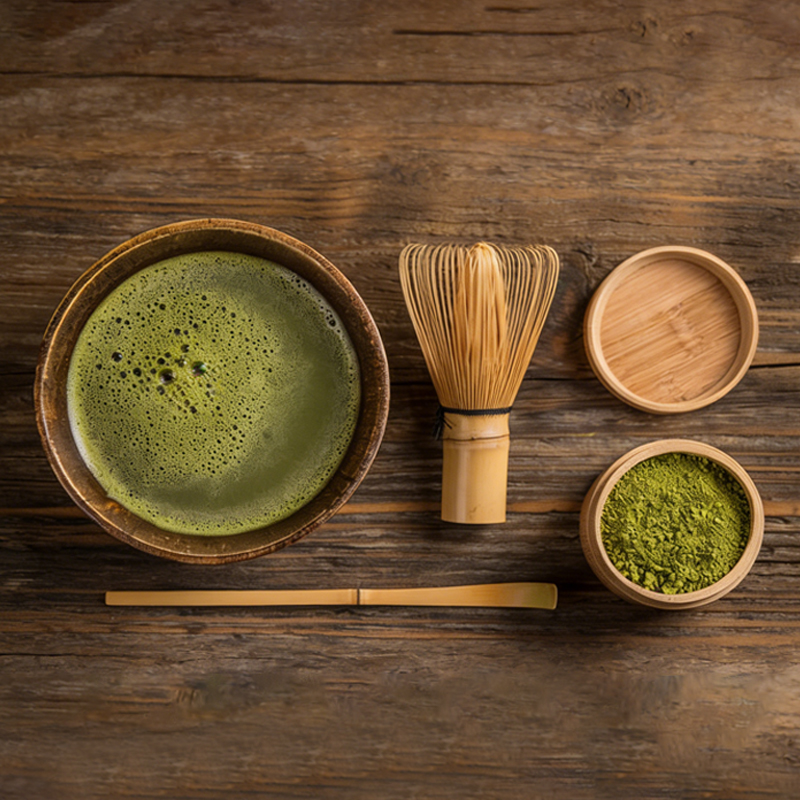 Matcha Powder Wholesale, Pure Matcha Green Tea Powder CompanyWe Are China Pure Matcha Green Tea Powder Company, Suppliers, Hangzhou Baoda Tea Co., Ltd. Wholesale Private Label Organic Matcha Powder ...View Product →
Regional demand: two very different buying cultures
Chinese green tea exports have long followed a dual pattern. North and West African markets (Morocco, Algeria, Mauritania, Mali, and Senegal) buy large volumes of gunpowder and chunmee for daily brewing and mint tea preparation. These orders are volume-driven, price-sensitive, and built on well-established specifications. European markets such as France, Belgium, Spain, the Netherlands, and Italy buy smaller lots, but with stronger emphasis on origin, organic options, freshness, and brand-ready packaging.
What this means for product selection
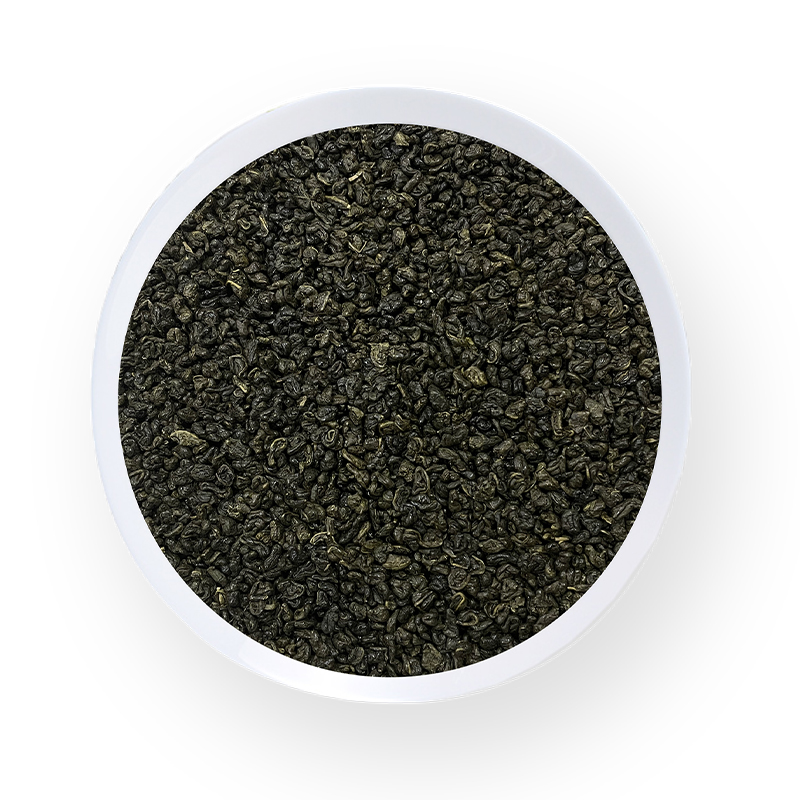
For African buyers, the priority is consistency. A gunpowder specification such as 3505 AAA must deliver stable grain size, an acceptable proportion of tip, and a clean infusion across repeated shipments. Because order volumes are large, any shift in quality creates immediate problems downstream. A Gunpowder 3505 AAA grade serves as a common reference point; the differentiator between suppliers is how tightly they control that grade from container to container.
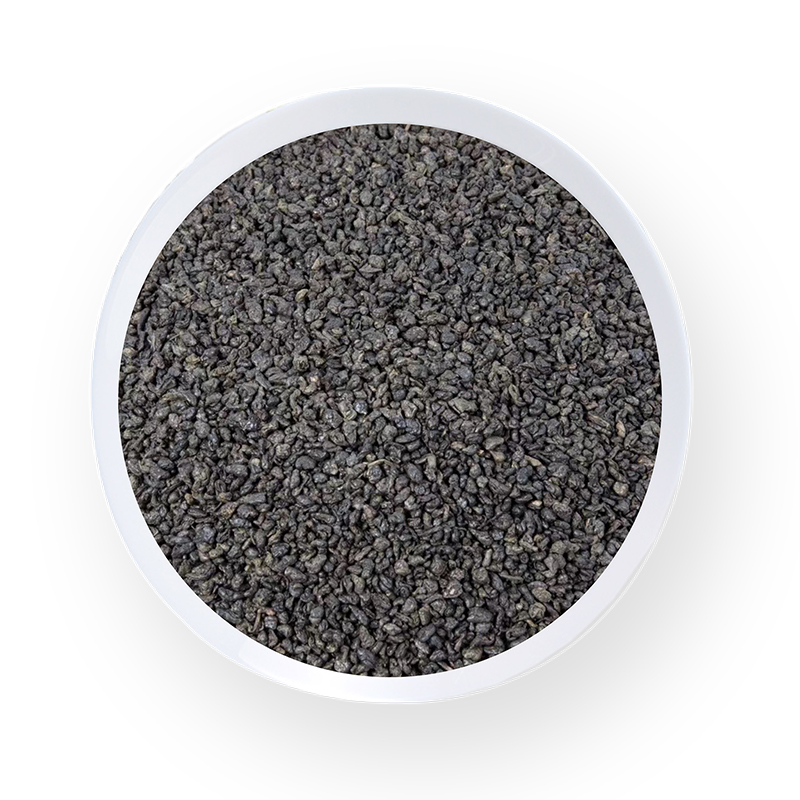 Wholesale Gunpowder 3505 AAA Suppliers, CompanyHangzhou Baoda Tea Co., Ltd. Is China Wholesale Private Label Gunpowder 3505 AAA Suppliers, Company, Gunpowder 3505 AAA represents the hi...View Product →
For European buyers, the conversation centers on traceability, harvest season, and documentation. Importers increasingly request pesticide residue testing, organic certification, and packaging compliance. Factories with years of experience serving European clients usually have these measures in place and can present the relevant paperwork before a trial order.
A practical sourcing checklist for green tea importers
Trends matter, but the core task is selecting a supplier that can execute. Based on recent demand patterns across both established and emerging markets, these factors deserve the most attention.
- Factory scale and specialization. A manufacturer with dedicated green tea processing lines and ample workshop space can manage peak-season volume while keeping quality lots separate. Annual capacity is a useful indicator; an exporter with around 10,000 tons of capacity is built for container-scale orders, not just sampling.
- Grade consistency. Ask how each grade is defined and what tolerance is allowed. The gap between AAA and AAAAA in Chunmee, or between A and Diamond in Gunpowder, should be documented, not improvised.
- Quality control. Look for in-house testing, moisture checks, and screening or sorting procedures. A credible supplier should explain their inspection workflow without hesitation.
- Format flexibility. With bags, loose-leaf, and matcha all growing, a supplier that can produce multiple formats under one roof simplifies logistics and reduces the number of export partners you need to manage.
- Communication and documentation. Export experience across Africa and Europe means the team already knows how to handle customs paperwork, shipping marks, and destination-specific requirements.
When shortlisting candidates, an export-oriented manufacturer that combines its own processing operation with direct trading capability is a strong starting point. Working with an experienced Chinese green tea manufacturer and exporter puts production records, grade samples, and shipment history in front of you in one conversation, which is more efficient than coordinating between independent factories and intermediaries.
What to watch next
Three developments will shape Chinese green tea exports over the next few years. Sustainability and environmental responsibility are moving up the agenda, particularly in Europe, putting more pressure on suppliers to document farming and processing practices. Premium and specialty tea formats will continue to gain share, favoring suppliers that maintain a full product ladder rather than commodity-level grades alone. And digital tools are improving communication and order tracking, although they will never replace physical verification by the buyer.
The green tea market's growth is not a single wave but a set of parallel shifts across grade structure, product format, and regional expectations. Importers who recognize these shifts, and who test supplier capabilities against them before committing to volume orders, will be the ones converting market growth into stable margins.

 We sincerely welcome customers from all over the world to visit us and seek common
development and create brilliant future.
We sincerely welcome customers from all over the world to visit us and seek common
development and create brilliant future.
Contact BAODA
 Our Phone
+86-15386682887
+86-13857173531
 E-mail
[email protected]
[email protected]
[email protected]
 Our Address
Room 1601, Building 2, New Town Times Square, 189 Fengqi East Road, Hangzhou, Zhejiang Province, China.
Inquiry Us Now
Copyright © Hangzhou Baoda Tea Co., Ltd. All Rights Reserved
Wholesale China Premium Green Tea Company
