

 English
  Français
 Organic Black Tea Loose Leaf for Rich Flavor and Premium Tea Brewing
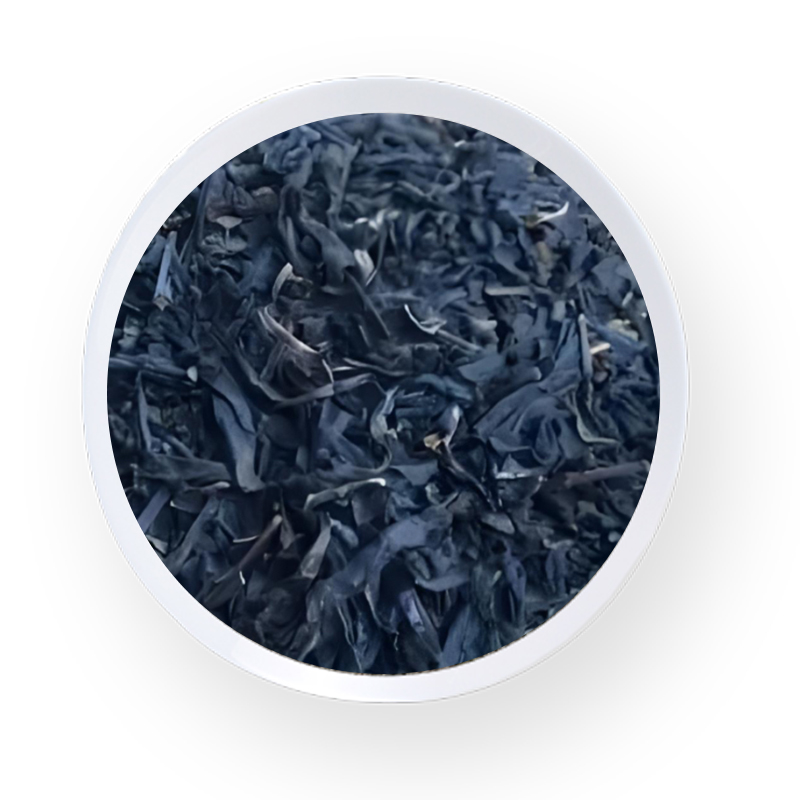
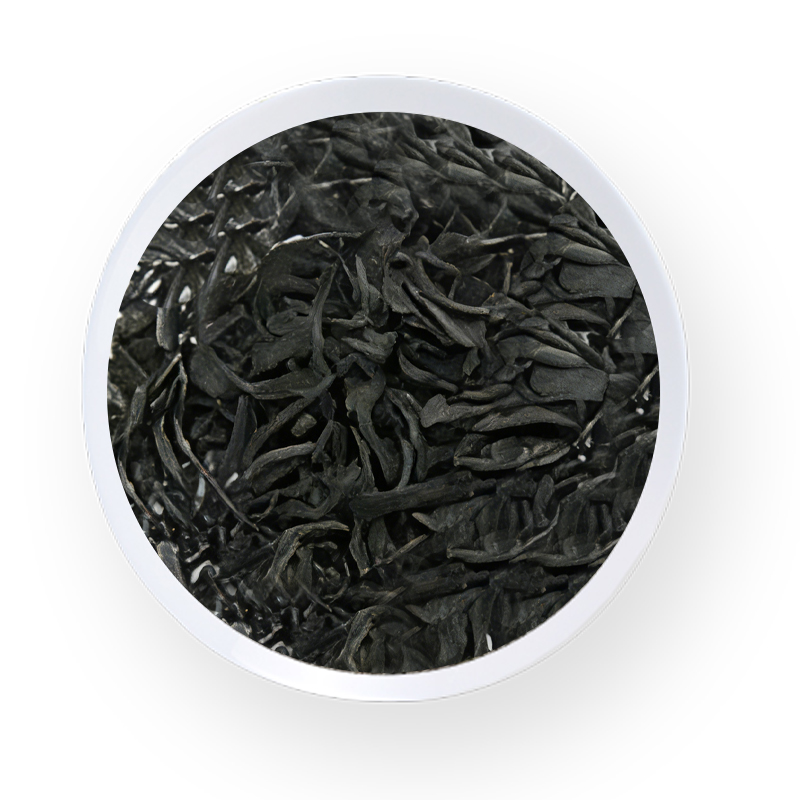
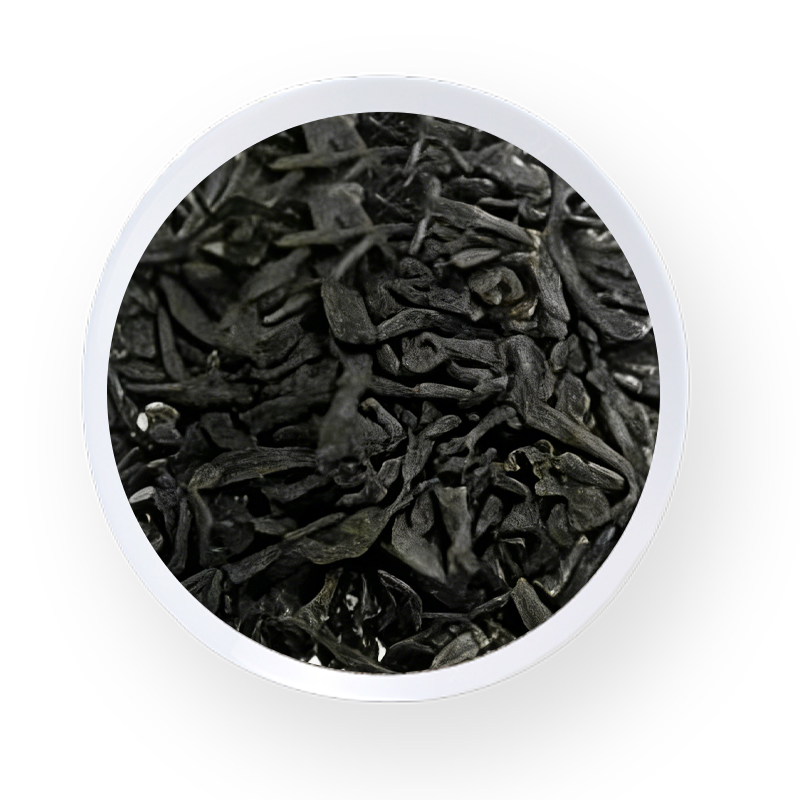
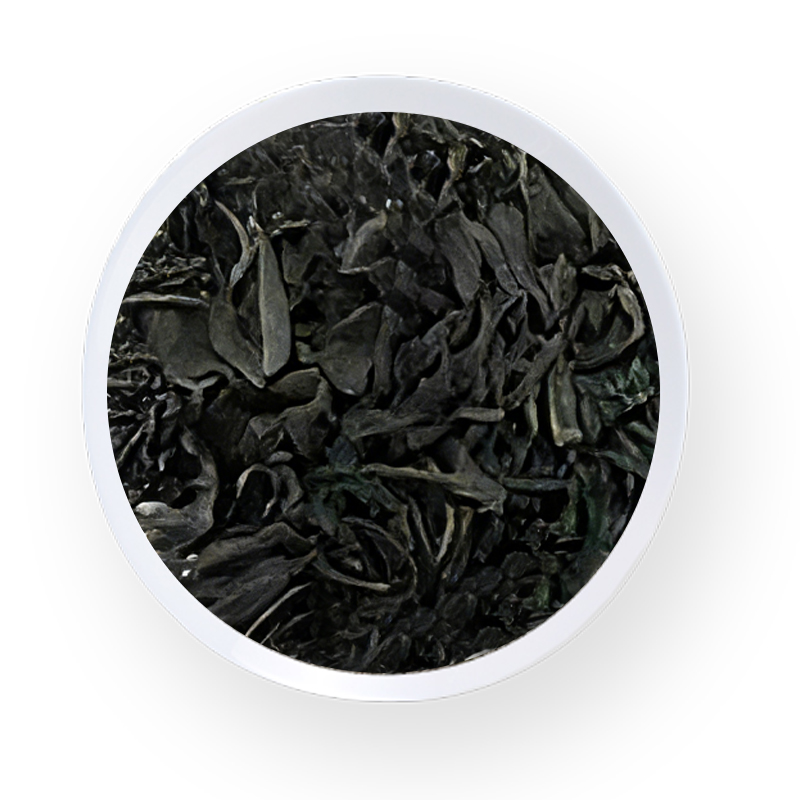
Organic Black Tea Loose Leaf earns its reputation one whole leaf at a time. Grown without synthetic pesticides for at least three years before harvest and processed through full oxidation, it produces a fuller body, cleaner finish, and more complex aroma than the broken fragments packed into standard tea bags. For cafes, specialty retailers, and home brewers chasing both flavor depth and verified sourcing, full-leaf organic black tea has shifted from a premium add-on to the baseline expectation.
What Shapes the Organic Black Tea Loose Leaf Flavor Profile
A black tea flavor profile is built almost entirely during oxidation, the stage where freshly rolled leaves are exposed to oxygen until catechins convert into the malt, fruit, and tannin-rich compounds that define a finished cup. Because organic black tea loose leaf oxidizes at the same rate as any high-quality leaf, the flavor differences buyers notice usually trace back to leaf integrity and growing region rather than certification status. Assam-style leaves lean malty and brisk, Ceylon-grown leaves run brighter and more citrus-forward, and Yunnan-grown leaves often carry a honeyed, mellow sweetness. Whole leaves also hold essential oils far longer than the fragments used in mass-market bags, which is why a well-stored batch still tastes vivid months after harvest.
Black tea flavor profile, defined: the balance of malt, fruit, and tannic structure created when leaves fully oxidize, converting catechins into theaflavins and thearubigins, the compounds responsible for color, body, and aroma.
How Organic Black Tea Loose Leaf Quality Is Graded From Bud to Cup
Leaf quality is assessed twice, once at plucking and again after processing, using a grading system that separates whole leaf, broken leaf, fannings, and dust. Only the first two categories qualify as true loose leaf. Fannings and dust brew faster but lose most of their aromatic compounds within weeks of packaging, which is why they dominate standard commercial tea bags. Premium organic black tea loose leaf is typically sold under whole-leaf or broken-leaf grades such as Orange Pekoe, Flowery Orange Pekoe, or Tippy Golden Flowery Orange Pekoe, designations that describe leaf size, bud content, and pluck precision rather than flavor strength on their own.
- Whole Leaf (OP / FOP): Intact leaves, slowest oxidation release, longest shelf stability, often 18 months or more.
- Broken Leaf (BOP): Faster infusion than whole leaf while retaining most aromatic compounds.
- Fannings: Small leaf fragments common in standard bags, quick brew, shallower flavor complexity.
- Dust: Finest particles used in fast-brew commercial blends, weakest aromatic retention.
Brewing Methods for Organic Black Tea Loose Leaf
Loose leaf needs more room and time than a tea bag to unfurl fully, so the brewing method affects the cup more than it does with pre-bagged tea.
- Step
Measure the leaf. Use 2 to 3 grams, about one rounded teaspoon, per 8 ounces of water.
- Step
Heat the water. Bring it to 200-212°F (93-100°C). Black tea tolerates near-boiling water better than green or white tea.
- Step
Steep. Hold for 3 to 5 minutes. Longer steeping increases tannin extraction and bitterness rather than strength.
- Step
Strain and serve. The same leaves can usually support a second steep at a slightly longer time.
Organic Black Tea Antioxidant Content: What the Research Shows
Black tea's antioxidant profile comes from oxidation chemistry, not from certification status. Research from Oregon State University's Linus Pauling Institute shows that finished black tea typically contains theaflavins making up roughly 2 to 6 percent of extracted solids and thearubigins exceeding 20 percent, the two polyphenol groups most responsible for black tea's antioxidant activity, color, and astringency. Organic black tea loose leaf matches this same chemical profile gram for gram. What organic certification changes is the absence of synthetic pesticide residue and a verified three-year pesticide-free growing standard, not the underlying chemistry that oxidation produces.
Organic Black Tea vs Conventional Tea: What Actually Changes
The real difference is agronomic, not chemical. USDA organic standards require land to go three full years without synthetic pesticides, fertilizers, or other prohibited substances before a harvest can carry the organic label, with annual third-party inspections enforcing compliance. Conventional tea gardens face no such restriction, and synthetic crop-protection products may be applied up to harvest, subject only to maximum residue limits rather than an outright ban.
- Land free of synthetic pesticides and fertilizers for 3+ years
- Annual third-party USDA inspection required
- No GMO-derived inputs permitted
- Antioxidant chemistry identical to any well-oxidized leaf
- Synthetic pesticides and fertilizers allowed within residue limits
- No mandatory annual organic inspection
- GMO-derived inputs permitted where legal
- Antioxidant chemistry also oxidation-driven; residue exposure differs
Why Specialty Tea Buyers Choose Organic Black Tea Loose Leaf
Specialty tea sourcing prizes traceability over volume, and whole-leaf organic black tea loose leaf fits that model directly. Single-estate lots, documented harvest dates, and verifiable certification paperwork give cafes and retailers the same chain-of-custody story that specialty coffee buyers already expect from single-origin beans.
Single-origin, single-harvest lots support batch-specific tasting notes.
Full-leaf integrity means no fannings or dust diluting the cup.
USDA organic paperwork gives retailers a verifiable sourcing claim.
Direct grower relationships shorten the time between harvest and shelf.
Whether the priority is flavor depth, verified sourcing, or both, Organic Black Tea Loose Leaf remains the most direct way to get full-leaf quality into the cup.
What does organic black tea loose leaf taste like compared to tea bags?
Fuller-bodied and more aromatic, since whole leaves hold essential oils longer than the broken fragments used in standard bags. Expect more pronounced malt, fruit, or honey notes depending on origin.
How should organic black tea loose leaf be stored?
In an airtight, opaque container away from heat, light, and moisture. Properly stored whole leaf holds peak flavor for 12 to 18 months, far longer than pre-bagged fannings or dust.
Does organic certification make black tea more antioxidant-rich?
No. Antioxidant content is driven by oxidation level, not certification status. Organic certification instead guarantees freedom from synthetic pesticide residue and a verified three-year pesticide-free growing standard.
What is the correct water temperature and steep time for brewing?
Use water between 200 and 212 degrees Fahrenheit (93 to 100 degrees Celsius) and steep whole leaf for 3 to 5 minutes. Longer steeping increases bitterness rather than strength.
 We sincerely welcome customers from all over the world to visit us and seek common
development and create brilliant future.
We sincerely welcome customers from all over the world to visit us and seek common
development and create brilliant future.
Contact BAODA
 Our Phone
+86-15386682887
+86-13857173531
 E-mail
[email protected]
[email protected]
[email protected]
 Our Address
Room 1601, Building 2, New Town Times Square, 189 Fengqi East Road, Hangzhou, Zhejiang Province, China.
Inquiry Us Now
Copyright © Hangzhou Baoda Tea Co., Ltd. All Rights Reserved
Wholesale China Premium Green Tea Company
