

 English
  Français
 What Are the Real Health Benefits of Chinese Original Green Tea?
1. Reunderstanding Chinese Original Green Tea
Across the world, tea is no longer just a beverage; it has become a lifestyle and a cultural symbol. Among all tea categories, Chinese Original Green Tea has gradually gained increasing attention in the global health beverage space due to its fresh, natural taste and long historical background.
The term Chinese Original Green Tea generally refers to green tea originating from traditional Chinese tea-growing regions and processed with minimal techniques to preserve its natural characteristics. Since it is not fermented, it retains a high degree of natural compounds in the tea leaves, including tea polyphenols, caffeine, and amino acids. This "original state" makes it particularly valuable in the context of health-oriented beverages.
As modern people increasingly focus on health and quality of life, Chinese Original Green Tea is not only consumed in daily routines but has also become an important part of lifestyle regulation and mental balance. Understanding its essence helps integrate it more scientifically into daily life.
2. Basic Characteristics of Chinese Original Green Tea
To understand Chinese Original Green Tea, it is necessary to start with its fundamental properties. The key feature of green tea being "original" lies in its relatively simple processing method, mainly involving fixation, rolling, and drying without fermentation. This allows it to retain its natural state to a great extent.
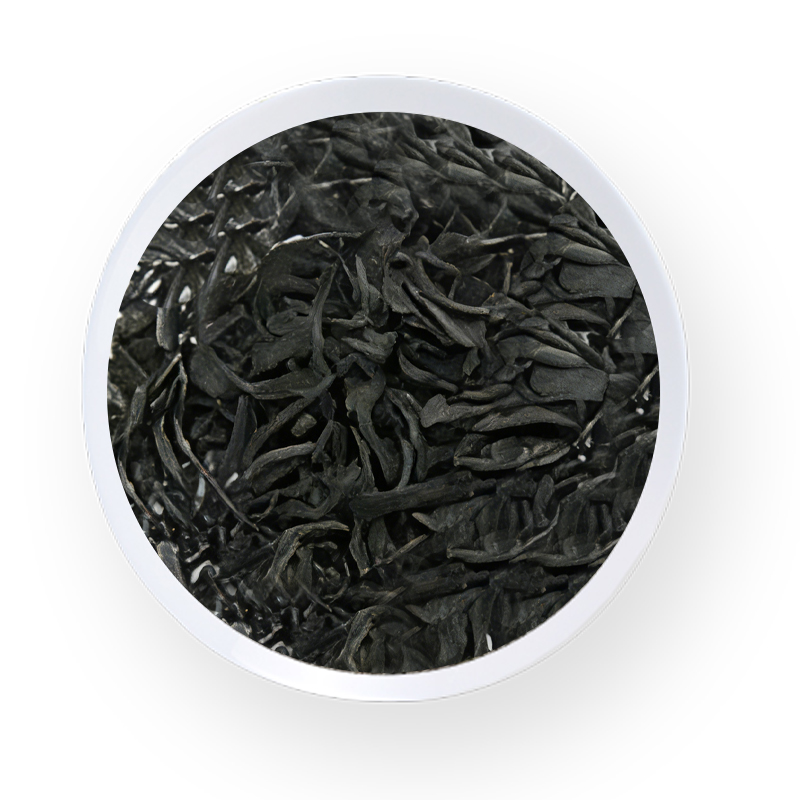
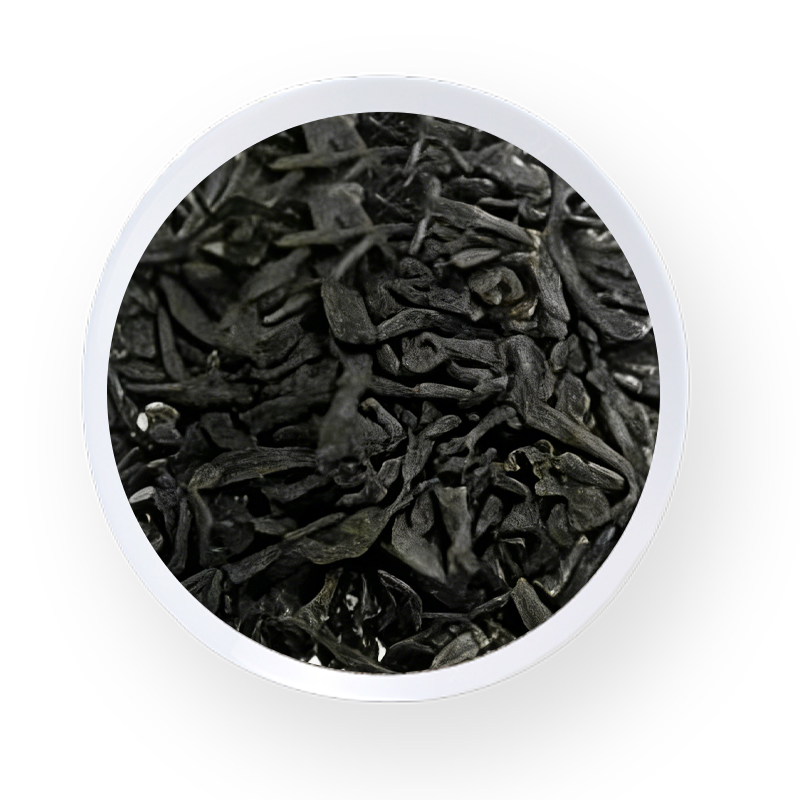
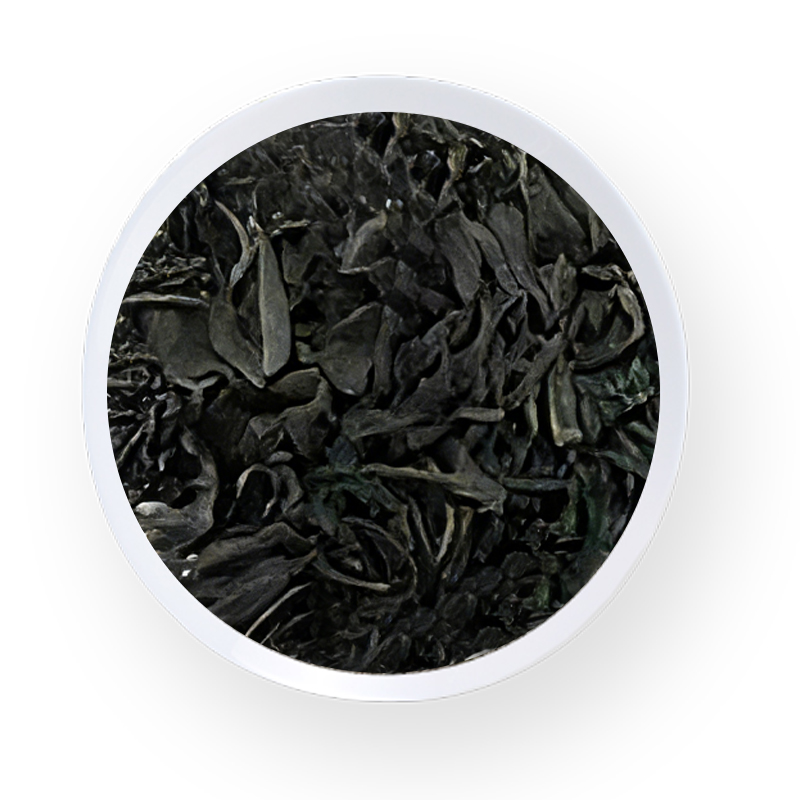
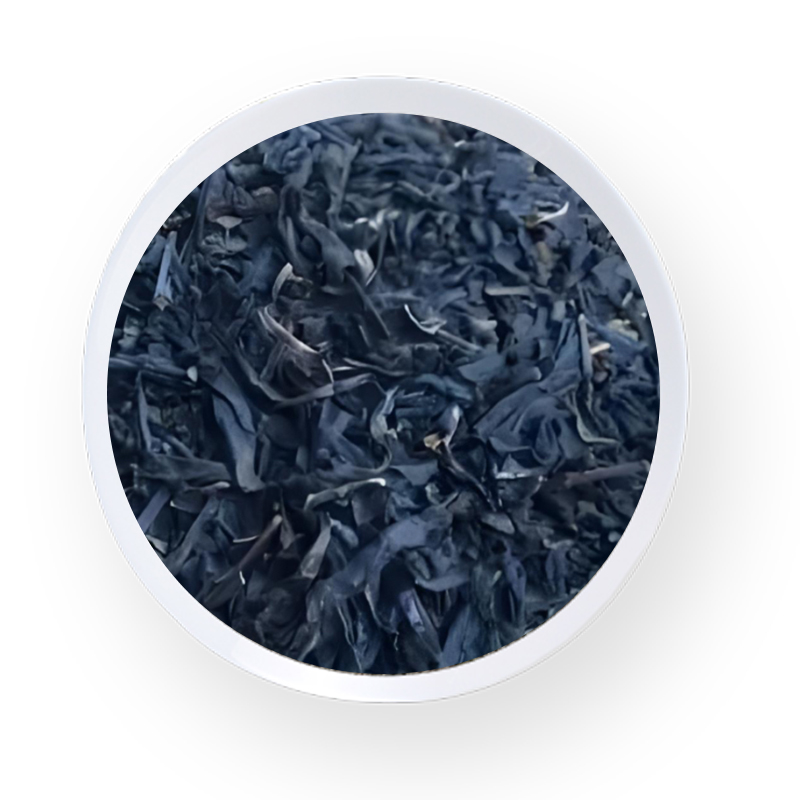
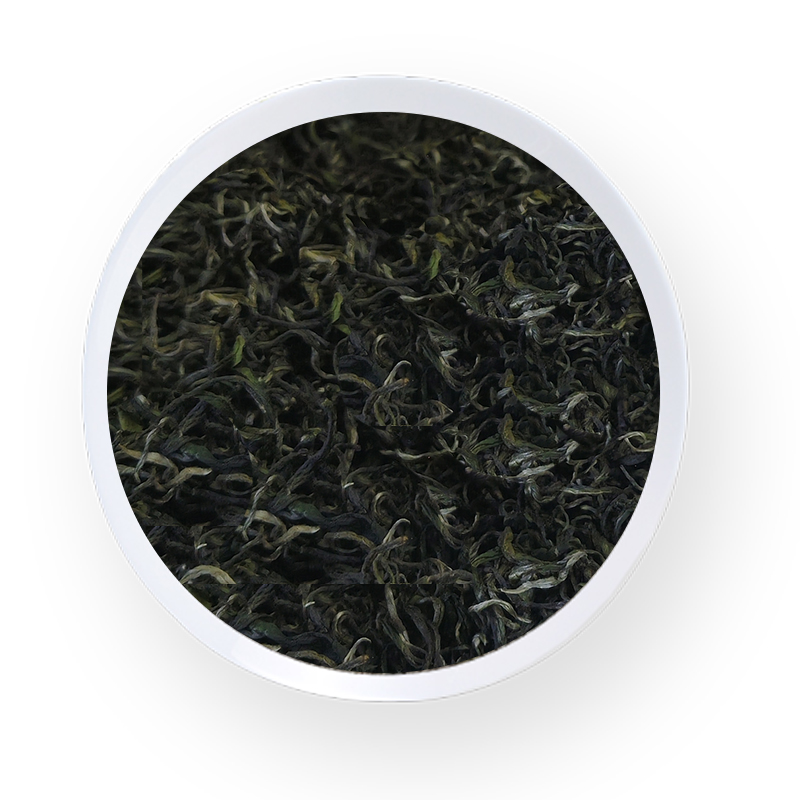
In appearance, Chinese Original Green Tea usually presents a deep green or emerald tone when dry, and when brewed, the tea liquor appears clear and bright in light green or yellow-green shades. This visual clarity itself conveys a sense of purity and natural quality.
In terms of aroma, it often carries a fresh vegetal scent, sometimes with subtle chestnut, bean, or floral notes depending on the variety. However, the overall profile remains light and natural rather than strong or heavy.
In taste, it typically starts with a mild bitterness followed by a noticeable sweetness in the aftertaste. This "bitter first, sweet later" profile is one of the reasons many tea drinkers appreciate it over time.
Compared with black tea or oolong tea, the key difference of Chinese Original Green Tea lies in its level of preservation. It remains closer to the natural state of the tea leaves, which also contributes to its rich nutritional composition.
3. Chinese Original Green Tea Benefits
When discussing Chinese Original Green Tea, its health value is often the most highlighted aspect. From a modern nutritional perspective, its benefits are largely associated with its rich bioactive compounds.
One of the most important components is tea polyphenols, which are powerful antioxidants. They help the body combat oxidative stress caused by free radicals, which is increasingly relevant in today’s fast-paced and stressful environment.
Another important group of compounds is catechins. These are widely studied for their antioxidant potential and possible support in metabolic processes, making green tea a valuable part of a balanced diet.
Additionally, amino acids such as L-theanine play a significant role. L-theanine may help promote relaxation without causing drowsiness, which explains why many people feel a calm yet alert state after drinking Chinese Original Green Tea.
From a daily life perspective, moderate consumption is often associated with supporting general metabolic balance and offering a refreshing effect after heavy meals or stressful routines.
However, these effects should be understood as supportive within an overall healthy lifestyle rather than as standalone medical outcomes.
4. Chinese Green Tea Caffeine Content
Many people are concerned about the caffeine content in Chinese Original Green Tea. In general, green tea does contain caffeine, but usually less than coffee and more than herbal teas.
The caffeine level in Chinese Original Green Tea is influenced by several factors, including leaf tenderness, harvest season, and brewing method. Younger leaves tend to contain higher caffeine levels due to more active natural metabolism.
Brewing time and water temperature also significantly affect caffeine extraction. Higher temperatures and longer steeping times result in greater caffeine release.
In terms of experience, the caffeine in green tea is often perceived as smoother compared to coffee. This is due to the interaction between caffeine and L-theanine, which creates a more balanced stimulation effect.
As a result, many people report feeling alert without excessive nervousness or rapid heartbeat after drinking Chinese Original Green Tea.
5. Importance of Brewing Awareness
Even though brewing methods will be discussed in detail later, it is important to understand early on that brewing directly affects both flavor and nutrient release in Chinese Original Green Tea.
Water temperature plays a critical role. Excessively high temperatures may damage delicate aromatic compounds, while low temperatures may prevent proper flavor extraction.
This is why Chinese Original Green Tea cannot be treated as a simple "pour and drink" beverage; it requires a certain level of understanding to fully appreciate its qualities.
6. How to Brew Chinese Original Green Tea Properly
Understanding the value of Chinese Original Green Tea is only the first step. The real experience depends on how it is brewed. Many unpleasant-tasting experiences are not caused by the tea itself but by improper brewing methods.
Because Chinese Original Green Tea is minimally processed and not fermented, its internal compounds are sensitive, especially tea polyphenols and aromatic molecules. Therefore, temperature control becomes the most important factor.
Generally, a moderate water temperature is preferred rather than boiling water. Excessively hot water can cause bitterness and reduce aromatic complexity. On the other hand, water that is too cool may result in a weak and flat taste.
Steeping time is equally important. Chinese Original Green Tea is designed for relatively short infusion periods. Over-steeping leads to excessive release of bitter compounds, masking its natural sweetness.
The ratio of tea leaves to water also affects flavor balance. Too many leaves create a strong and bitter brew, while too few produce a weak infusion. Finding a personal balance is essential for long-term enjoyment.
Unlike strong or heavily fermented teas, Chinese Original Green Tea emphasizes clarity and layering rather than intensity. A gentle brewing approach is therefore more suitable.
Once these details are mastered, the same tea can produce significantly different flavor profiles, which is part of its unique charm.
7. Best Time to Drink Chinese Original Green Tea
The timing of consumption significantly influences how Chinese Original Green Tea affects the body and mind.
In the morning, it is commonly used to gently awaken mental clarity after sleep. However, drinking it on an empty stomach may not be suitable for everyone, especially those with sensitive digestion.
During daytime work or study, it is often used as an alternative to high-sugar or high-stimulation beverages. The mild caffeine supports focus, while L-theanine helps maintain calmness.
Afternoon consumption is also common, as it can help restore alertness after midday fatigue.
In the evening, caution is recommended due to caffeine content, which may interfere with sleep quality in sensitive individuals.
Overall, there is no single "best time," but rather a flexible timing strategy based on individual lifestyle and body response.
8. Long-Term Daily Effects of Chinese Green Tea
When Chinese Original Green Tea becomes part of daily life, its effects are more reflected in long-term lifestyle patterns rather than immediate changes.
One noticeable shift is the reduction in dependence on sugary or highly stimulating drinks, leading to a cleaner dietary pattern.
From a physiological perspective, long-term intake of tea polyphenols and catechins is associated with oxidative stress management and overall metabolic support.
Additionally, the combination of caffeine and L-theanine helps maintain a stable mental rhythm over time.
However, moderation remains essential. Excessive caffeine intake, even from tea, may affect sleep or nervous system balance.
Individual differences must also be considered, as sensitivity varies across people.
9. Role of Chinese Original Green Tea in Modern Lifestyle
In modern fast-paced life, beverages are not only functional but also symbolic of lifestyle choices. Chinese Original Green Tea represents a "simplification approach," reducing additives and returning to natural essence.
Its preparation process also introduces a moment of calm and ritual, helping individuals disconnect briefly from external stress.
This makes it not only a beverage but also a tool for lifestyle rhythm regulation.
10. Conclusion: Understanding the True Value of Chinese Original Green Tea
Chinese Original Green Tea is multi-dimensional in value. It includes nutritional significance from natural compounds and psychological value from lifestyle integration.
It should not be considered a miracle product but rather a supportive element within a balanced lifestyle that includes diet, sleep, and exercise.
When approached with moderation and consistency, it becomes a meaningful part of daily life rather than just a drink.
 We sincerely welcome customers from all over the world to visit us and seek common
development and create brilliant future.
We sincerely welcome customers from all over the world to visit us and seek common
development and create brilliant future.
Contact BAODA
 Our Phone
+86-15386682887
+86-13857173531
 E-mail
[email protected]
[email protected]
[email protected]
 Our Address
Room 1601, Building 2, New Town Times Square, 189 Fengqi East Road, Hangzhou, Zhejiang Province, China.
Inquiry Us Now
Copyright © Hangzhou Baoda Tea Co., Ltd. All Rights Reserved
Wholesale China Premium Green Tea Company
