

 English
  Français
 How Chinese Green Tea Suppliers Ensure Quality from Sourcing to Container Loading
Quality Is a Controlled Process, Not a Single Test
When a container of Chinese green tea reaches its destination port, the importer usually opens a bag and brews a sample before any laboratory report is reviewed. If the leaf is uneven, the pellets are broken, or the aroma tastes flat, the shipment can be rejected or discounted even when all pesticide residue results pass. This is the reality of bulk tea trade. Quality, for a serious Chinese green tea supplier, is not a certificate at the end of the batch; it is a chain of decisions that starts with the raw leaf and ends only when the container is sealed.
The supplier sits between smallholder farms and buyers in Morocco, Algeria, Senegal, France, Spain or the Netherlands. To deliver consistent product across dozens of containers a year, it must control every stage: fresh leaf purchase, processing, sorting, grading, laboratory testing, blending, packing and shipping.
The Sourcing Radius Matters
Chinese green tea is a fresh agricultural product. From the moment a leaf is plucked, enzymes begin changing its chemistry and appearance. A factory located inside the tea-growing region receives better raw material than one that must bring leaves in from far away. A specialist Chinese green tea manufacturer and exporter, Hangzhou Baoda Tea Co., Ltd., keeps its headquarters in Hangzhou but runs its processing plant in the Huangshan area of Anhui, one of China's established green tea supply zones. The short distance from tea garden to factory gate minimizes the time between harvest and fixation, the step that stops oxidation.
Fresh Leaf Acceptance Criteria
At the factory gate, every incoming lot is checked against a set of basic criteria:
- Plucking standard — normally one bud with one or two leaves, depending on the tea style and grade
- Tenderness — leaves that are too old produce a coarse, bitter liquor
- Stalk and broken leaf content — excess stem lowers the quality of the grade
- Rain damage or pest damage — damaged leaves create off-flavours and inconsistent appearance
- Estimated moisture level — this determines how the fixation parameters must be set
These checks are quick but decisive. Accepting a poor lot simply to fill daily production volume creates problems that no later processing can remove. The factory that controls the intake controls the quality ceiling.
Processing Consistency Is the Real Challenge
The most common quality complaint from importers is not that a shipment is bad; it is that the shipment differs from the approved sample. Teas like chunmee and gunpowder are sold on repeat orders, so the ability to reproduce the same character from batch to batch matters more than one brilliant lot. That ability comes from turning craft into measurable parameters.
From Master Skill to Machine Settings
In an artisanal workshop, the roaster relies on touch, sight and experience. A large export factory must translate that knowledge into numbers: pan temperature, feed rate, fixation time, rolling pressure and dryer outlet temperature. Once these parameters are set for a grade, they can be repeated month after month. Final moisture is the most visible indicator. Export green tea normally leaves the dryer at 5 to 6 percent moisture. Anything above 6 percent risks darkening, stale aroma and off-taste by the time the tea reaches the buyer.
Blending for Stability
Consistency is difficult because the raw material itself changes. The spring harvest differs from the summer harvest; the character of one valley differs from another. Experienced suppliers handle this with blending. They combine two or three sub-lots from the same style to reach the target taste, or they adjust the drying curve to compensate for leaf that is harder or softer than the previous batch. This is where real experience shows.
For a step-by-step view of the whole processing chain, read our guide to how Chinese green tea is produced.
Grade Names Encode a Quality Promise
Export green tea is sold under style numbers and grades that function as a common language between producer and buyer. The style number describes the leaf shape and processing family; the grade letter describes the level of refinement within that family. Buyers who cannot read this language will struggle to compare offers from different suppliers.
Chunmee 41022 and the Ladder of A's
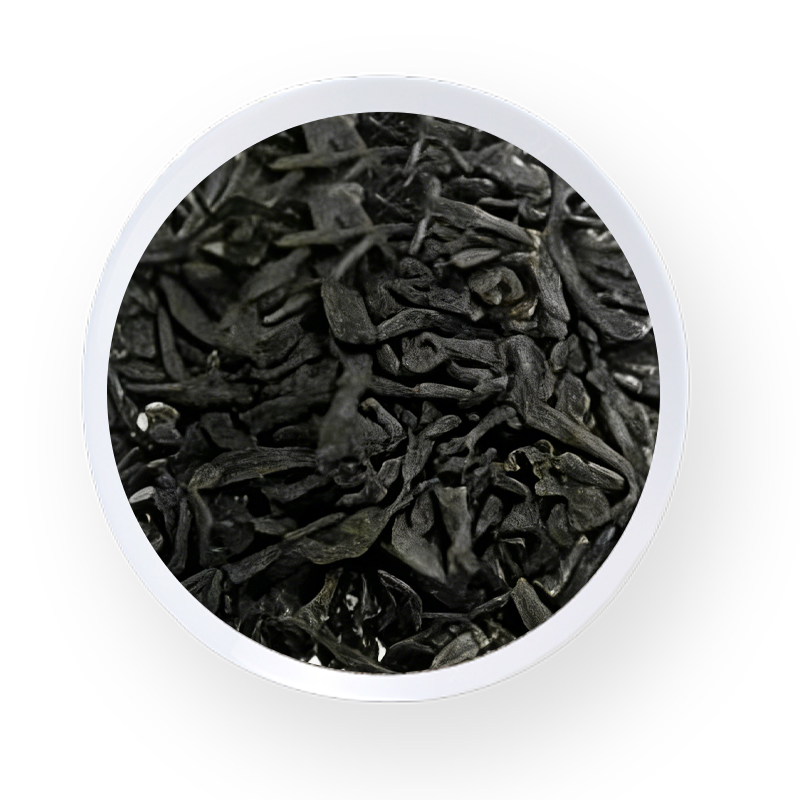
Chunmee 41022 is one of the most widely traded Chinese green tea styles for export. It is a sifted, eyebrow-shaped tea with a tight, straight leaf. Within that single style, a supplier may offer several quality levels. Hangzhou Baoda's Chunmee range, for instance, extends from AAA through eight A's, with a Diamond tier above them. The difference between adjacent levels is defined by leaf neatness, colour brightness, aroma intensity and liquor quality.
A mid-tier selection such as our Chunmee 41022 AAAA gives an importer a reliable balance of price and quality for mass-market retail, while higher tiers go to customers who need a more refined cup. The important thing is not which tier is chosen; it is that the factory sorts carefully enough to keep the tiers separate. If an AAAA sample looks almost the same as a AAA, the factory is not doing its job.
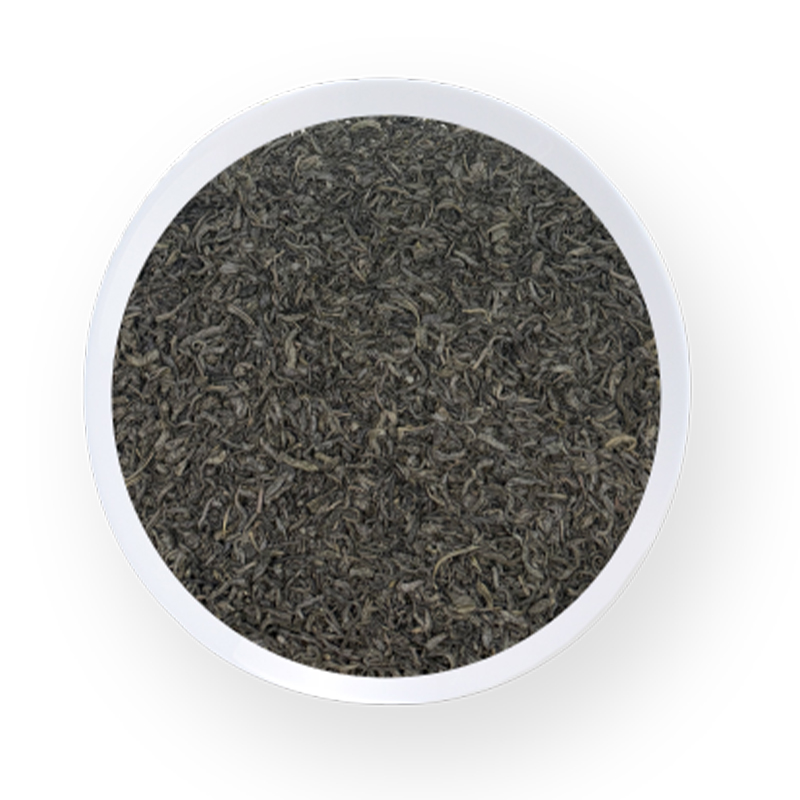 Wholesale Chunmee 41022 AAAA Suppliers, CompanyHangzhou Baoda Tea Co., Ltd. Is China Wholesale Private Label Chunmee 41022 AAAA Suppliers, Company, 4A·Material: Higher proportion of ma...View Product →
Gunpowder Tea and Particle Uniformity
Gunpowder tea presents a different quality challenge. The leaf is rolled into small pellets, which means the buyer sees particle size and shape before anything else. Uneven pellets, a high proportion of broken grains, grey surfaces or excessive dust are immediate warning signs. Sieving lines separate the tea into defined sizes, and the factory blends them back to a target granulation profile.
A class like Gunpowder 3505 AAA sits in the middle of the export ladder, with stricter tolerances for broken pellets and impurities than the A or AA levels below it. If a supplier holds that tolerance across consecutive shipments, it tells the buyer that the grading line and the packing process are under control.
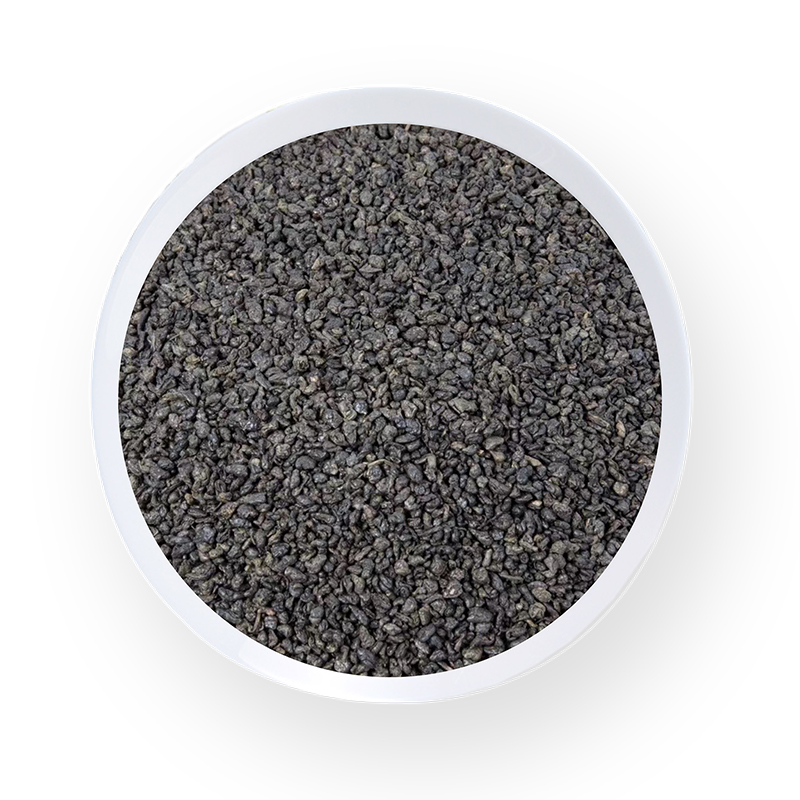 Wholesale Gunpowder 3505 AAA Suppliers, CompanyHangzhou Baoda Tea Co., Ltd. Is China Wholesale Private Label Gunpowder 3505 AAA Suppliers, Company, Gunpowder 3505 AAA represents the hi...View Product →
Laboratory Testing Matches the Destination Market
Laboratory analysis is the layer of quality control that buyers usually ask about first. It covers what can be measured objectively, but only if the laboratory sample actually represents the final packed product. Understanding the testing matrix helps a buyer ask the right questions.
The Typical Testing Matrix
| Parameter | Common Export Requirement | Why It Is Checked |
|---|---|---|
| Pesticide residues | EU Regulation (EC) No 396/2005 or importing country MRLs | Prevents entry rejection and protects brand reputation |
| Heavy metals (lead, arsenic) | National food safety standards of the destination country | Chronic exposure risk for consumers |
| Microbiological indicators | Total plate count, coliforms, yeast and mould | Critical for tea used in beverages and food processing |
| Moisture content | No more than 6 percent for most export green tea | Controls aroma loss and shelf life during ocean shipping |
Reading a Certificate with Healthy Doubt
Every certificate should be read with three questions in mind. First, was the sample drawn from finished packed lots or from earlier production? Second, does the test scope correspond to the destination market's requirements rather than a generic Chinese national standard? Third, who carried out the analysis — a recognised third-party laboratory or an in-house lab without independent oversight? Reputable suppliers provide an independent Certificate of Analysis plus the official phytosanitary certificate from Chinese customs. A buyer can also request pre-shipment inspection on the packed goods; in EU and North African trade flows this is a normal practice.
Packaging, Storage and the Last 48 Hours
Green tea is one of the most moisture- and odour-sensitive products in international trade. A container voyage may take 30 to 60 days across tropical zones. What happened in the warehouse and at the loading dock therefore has a direct effect on what the end customer tastes.
Keeping Tea Neutral in the Warehouse
In a properly run factory, tea is stored on pallets, away from floors and walls, in a dry and ventilated warehouse. Strong-smelling materials such as spices, dried seafood or chemical cleaning products are kept far from the tea. Most bulk export orders are packed in multi-layer kraft paper bags with an aluminium or polyethylene inner liner and then into cartons. The liner must be closed completely. A half-sealed liner exposes the tea to humidity and container odours, producing a musty taste that cannot be corrected after loading.
The Loading-Dock Check
Before the container is stuffed, a responsible exporter checks the case count against the packing list, verifies net weight, checks batch codes, inspects carton condition and opens one sample carton for a final sensory check. Pallet fumigation or heat treatment certificates are prepared at this point if the destination requires them. These last actions decide whether the quality that left the factory is the quality that reaches the buyer.
How a Buyer Should Verify a Supplier's Quality System
The best protection for a buyer is not a signed contract; it is a supplier whose internal processes produce quality consistently. A short audit of the factory system reveals more than a year of certificates.
Five Questions for an Audit
- Do they have written specifications for each grade, covering leaf size, colour, moisture and taste notes?
- Do they retain reference samples of every production lot for traceability?
- Can they show the sieving, sorting and packing line in operation during a live production run?
- Do they confirm moisture content at the packing line, not only at the dryer?
- Is raw material clearly segregated by garden, season and batch?
If the supplier answers these questions concretely, the probability of consistent performance is high. If they cannot, no document will compensate for the unpredictability.
The Cup Is the Final Verdict
Laboratory reports tell a buyer what is absent from the tea; they say nothing about whether the tea is enjoyable. The final judgement always comes from brewing. Dry leaf shape and colour, the aroma of the empty cup, the liquor colour and the taste all speak louder than a specification sheet. A professional exporter should be able to describe the taste profile of its own teas and to explain why one grade costs more than another. For a practical starting point, these five tips to tell the quality of China green tea cover the most common sample-stage signals.
Specialised products give additional insight into a supplier's level of discipline. Matcha, for example, is consumed as a powder without brewing. That means particle size, bright green colour and microbiological cleanliness all need to be controlled much more tightly than they would be in a leaf tea sold for ordinary infusion. Our matcha is produced specifically for beverage and bakery manufacturers, and the same discipline carries across the factory.
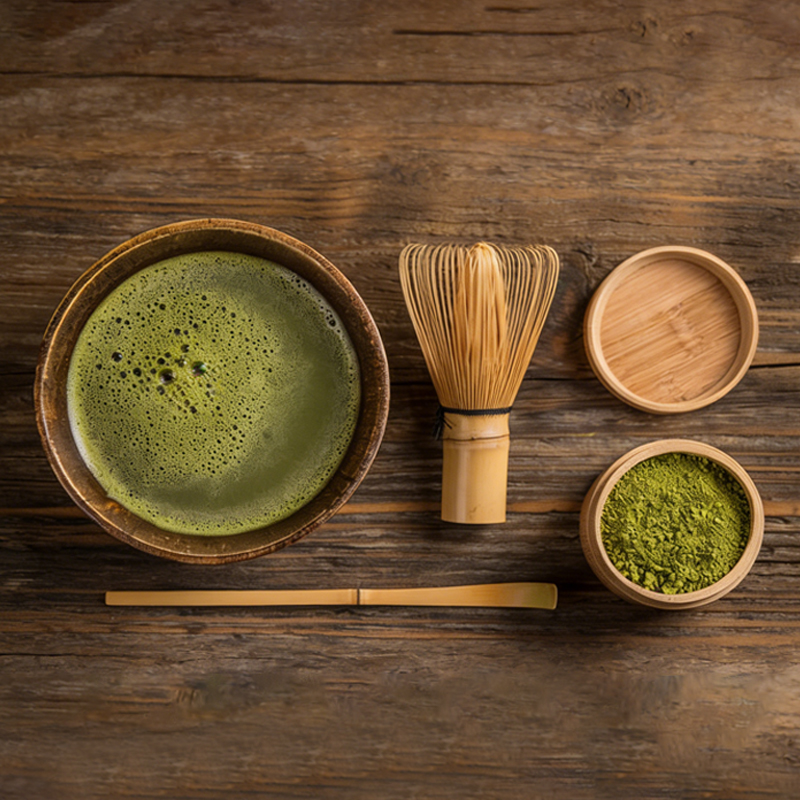 Matcha Powder Wholesale, Pure Matcha Green Tea Powder CompanyWe Are China Pure Matcha Green Tea Powder Company, Suppliers, Hangzhou Baoda Tea Co., Ltd. Wholesale Private Label Organic Matcha Powder ...View Product →
Quality Is Built Before the Container Is Sealed
Quality in Chinese green tea is not a mystery, and it is not guaranteed by a famous growing region. It is the result of decisions made at every step: where and when the leaf is plucked, how it is screened at the factory gate, how repeatable the processing line is, how honestly the grades are sorted, how carefully the tea is tested and packed, and how tightly the last 48 hours before shipping are managed. Buyers who understand these steps can compare suppliers with confidence and receive tea that performs the same way in Casablanca, Antwerp or Dakar as it did in the sample cup.
 We sincerely welcome customers from all over the world to visit us and seek common
development and create brilliant future.
We sincerely welcome customers from all over the world to visit us and seek common
development and create brilliant future.
Contact BAODA
 Our Phone
+86-15386682887
+86-13857173531
 E-mail
[email protected]
[email protected]
[email protected]
 Our Address
Room 1601, Building 2, New Town Times Square, 189 Fengqi East Road, Hangzhou, Zhejiang Province, China.
Inquiry Us Now
Copyright © Hangzhou Baoda Tea Co., Ltd. All Rights Reserved
Wholesale China Premium Green Tea Company
