

 English
  Français
 Practical Chinese Green Tea Wholesale Buying Guide for EU and African Importers
Why Chinese green tea wholesale buyers need a precise specification
An importer once told us that the hardest part of buying Chinese green tea wholesale is not finding suppliers; it is finding a supplier who can deliver the same quality twice. A vague inquiry returns dozens of quotes, but each quote refers to a different grade, origin, and price. The fastest way to improve your purchasing is to build a precise specification before you start negotiating.
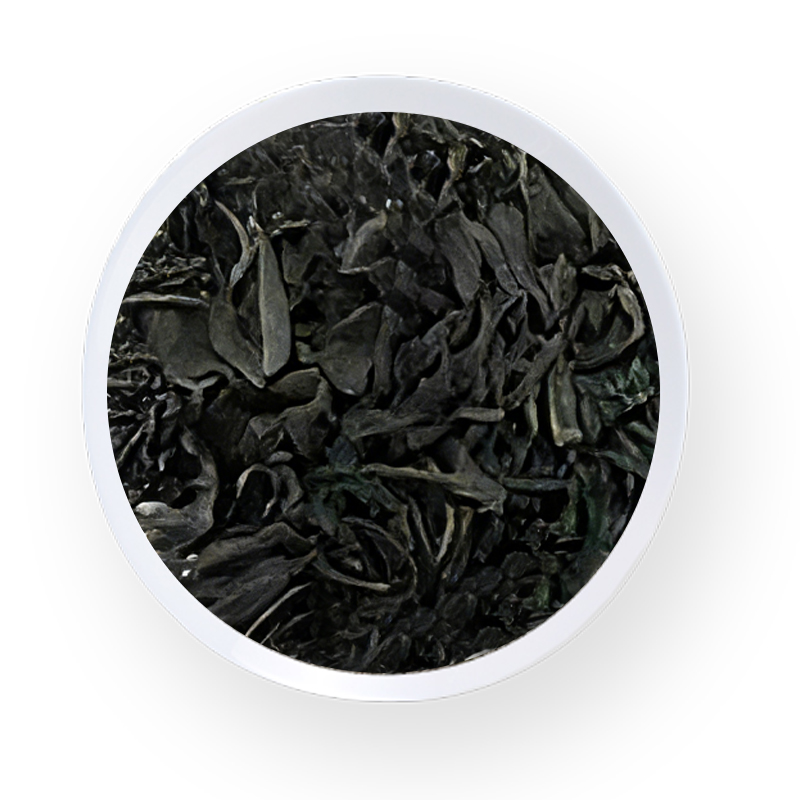
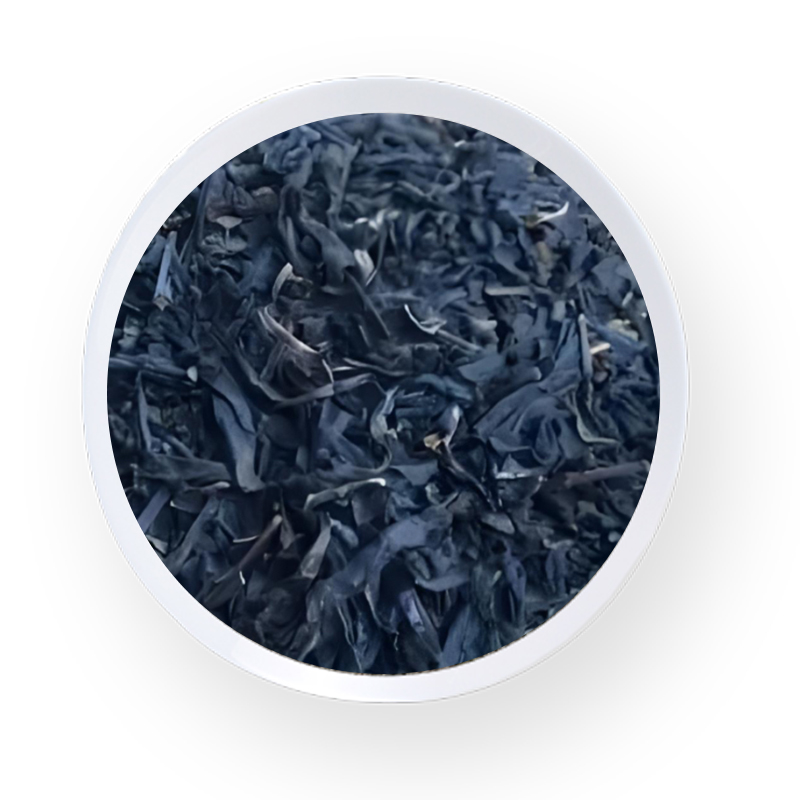
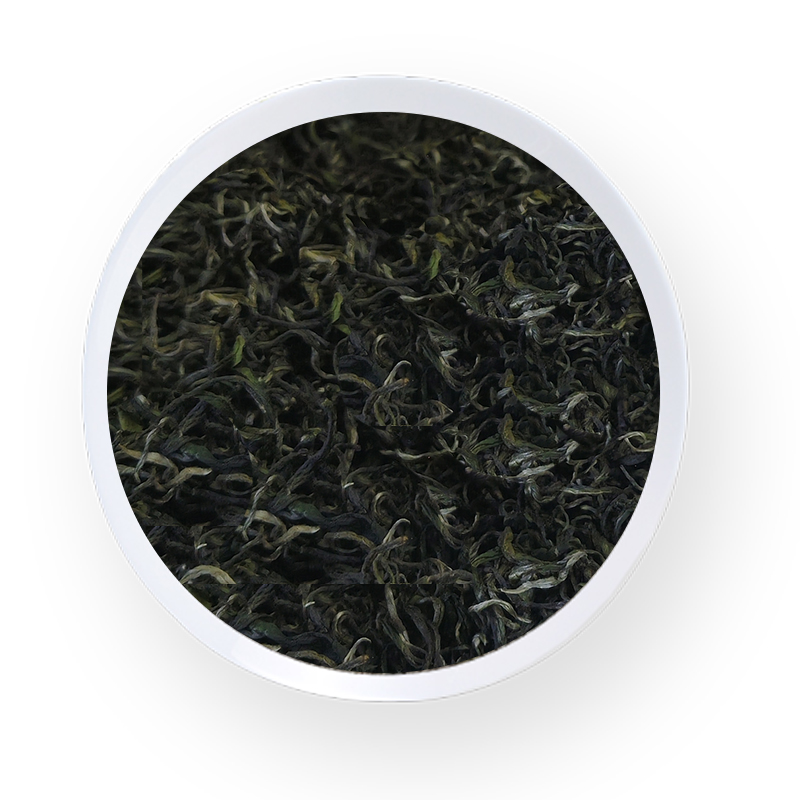
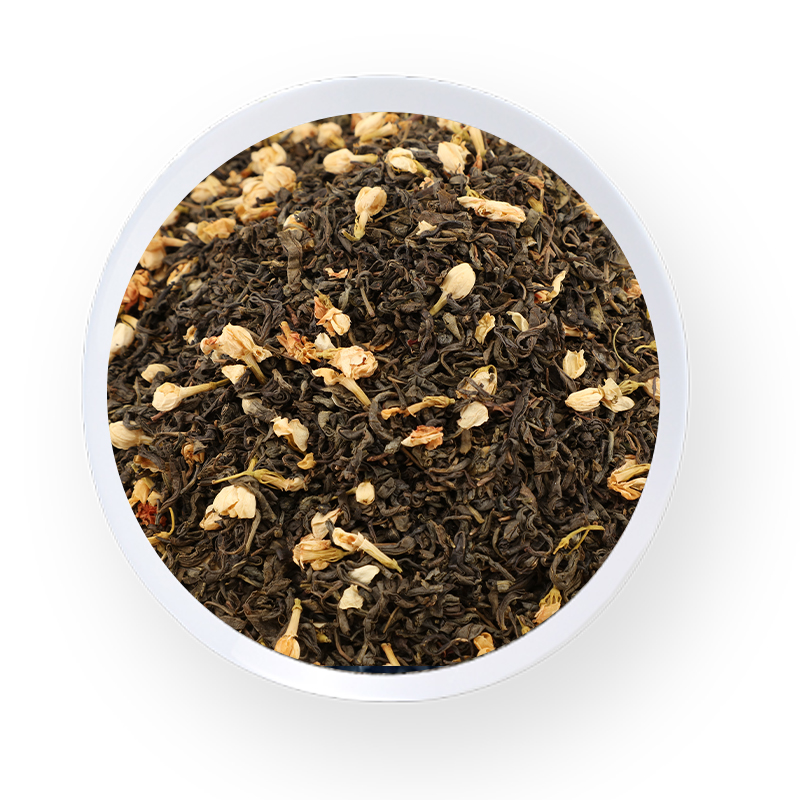
Chinese green tea exports fall into two main families: Chunmee and Gunpowder, alongside smaller volumes of special teas such as Longjing, Maofeng, and jasmine tea. Chunmee is a twisted, eyebrow-shaped tea sold under export numbers such as 4011, 41022, 9366, 9371, and 9380. The number 41022 is a classic supply chain standard, and a single supplier may offer it from AAA up to eight-A and Diamond grades. If your market is retail tea, a higher grade such as Chunmee 41022 AAAAAA gives you a clean leaf and a fresh green infusion. If you buy for blending or tea bags, you can select a middle grade and control cost.
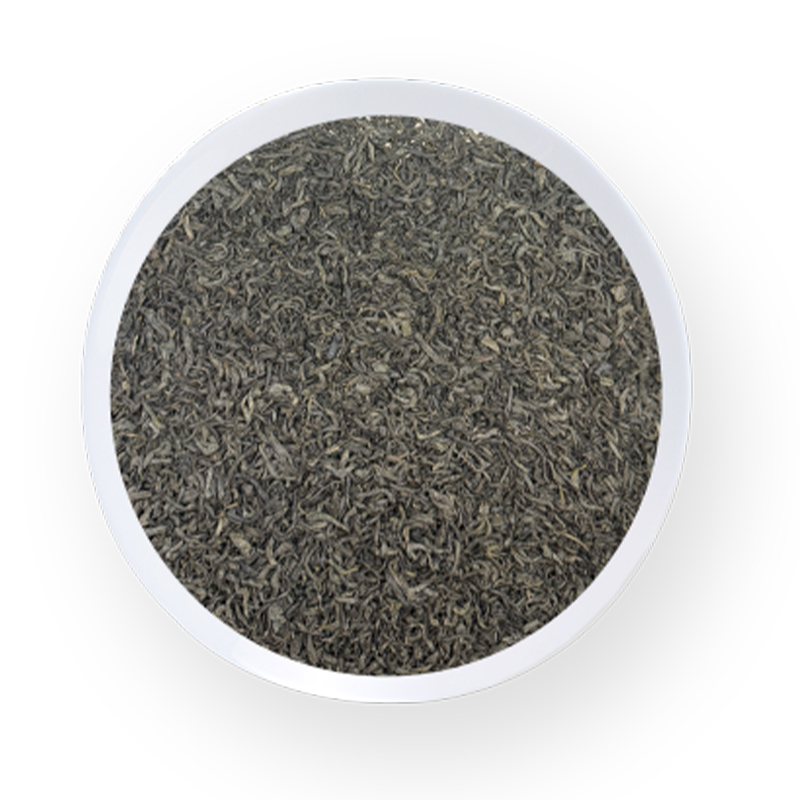 Wholesale Chunmee 41022 AAAAAA Suppliers, CompanyHangzhou Baoda Tea Co., Ltd. Is China Wholesale Private Label Chunmee 41022 AAAAAA Suppliers, Company, 6A·Material: 1 bud, 1-2 leaves, sl...View Product →
The same logic applies to other styles. Longjing has a flat, sword-like leaf; Gunpowder has a compact pearl shape. Do not ask a supplier for “green tea” and hope for the best. State the tea type, the grade code, and the use case, and only then ask for price.
Verify the supplier's factory and export record
A supplier’s factory is more reliable than a supplier’s website. An exporter that owns or controls a factory is generally in a better position to keep quality constant. Hangzhou Baoda Tea, a China green tea manufacturer and exporter, has its trading office in Hangzhou and its processing factory in Huangshan, Anhui. The plant covers 40,000 square meters, with 12,000 square meters of workshop space and an annual production capacity of 10,000 tons. Capacity matters when you order full containers of a single grade: a small workshop can produce a beautiful sample, but cannot commit to a 20-ton shipment with a fast deadline.
Location and production capacity
Ask each exporter for the factory location, the owner of the processing line, and the actual production capacity per season. A manufacturer in a tea-producing region may have better access to fresh leaf, while a trading office in a city can manage documentation and logistics. The combination of a Hangzhou trading base and a Huangshan factory is common among serious Chinese green tea exporters because it connects export expertise with raw material supply.
Quality control and testing
Before sending a deposit, confirm the factory’s testing process. Does it test every batch or only mixed lots? Does it have a lab on-site or use third-party labs? What pesticide residue standards does it follow for your destination country? Baoda describes its facility as having a complete testing system and advanced packaging equipment. This is a reasonable starting point, but you should also request a recent test report and keep a reference sample for each shipment. You can check other signs of quality in our overview of what to consider when choosing China green tea quality.
Understand the grade system before comparing prices
Prices for Chinese green tea are often quoted by grade, but grade names are not uniform across exporters. You need to understand the differences between the main export types and ask for photos and samples.
Chunmee and Gunpowder: two popular styles
Chunmee is named after its eyebrow-like shape. The dried leaves are long, twisted, and dark green, producing a moderately strong infusion. Gunpowder, by contrast, is rolled into small pellets. It is the classic green tea for many North African markets, particularly Morocco, and it is also used in Europe for loose-leaf and blends. The standard export number for gunpowder is 3505, with grades from A to AAA, Diamond, and Gros Grain. If you plan to sell a traditional North African style, a reliable choice is Gunpowder 3505 AAA, which balances price and leaf integrity. For a more economical option, lower A grades can still brew well in tea bags. If freshness is your main concern, see our notes on sourcing Chinese gunpowder tea.
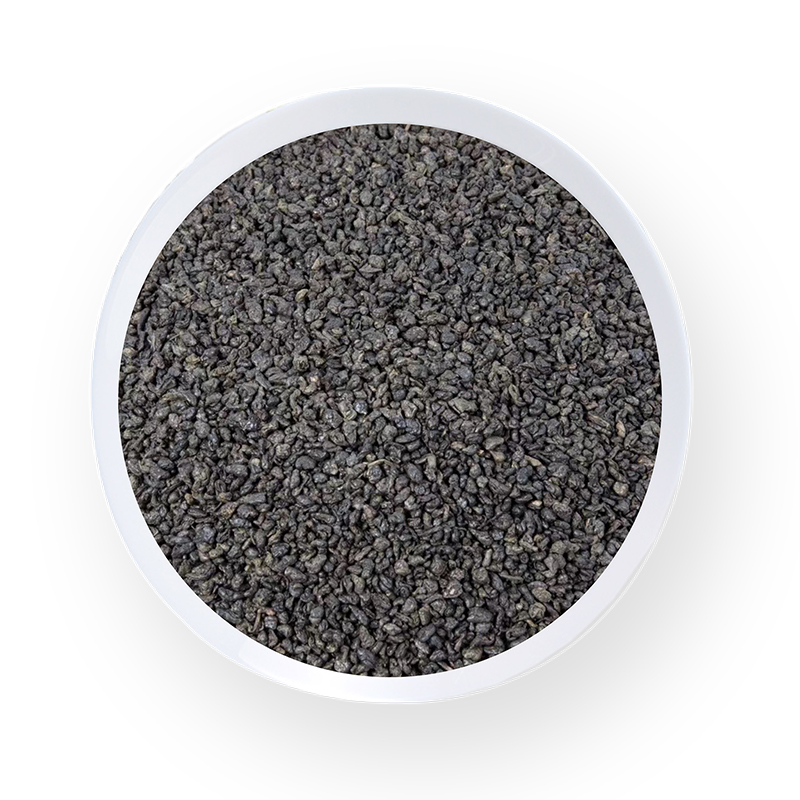 Wholesale Gunpowder 3505 AAA Suppliers, CompanyHangzhou Baoda Tea Co., Ltd. Is China Wholesale Private Label Gunpowder 3505 AAA Suppliers, Company, Gunpowder 3505 AAA represents the hi...View Product →
What the grade letters tell you
In the 41022 series, for example, AAA is a solid commercial grade, while AAAAAA and higher represent leaves that are more uniform, with fewer broken pieces and less twig. “Diamond” is a supplier-specific top grade, not a formally standardized international grade. This means the actual quality must be verified by sample. If a supplier quotes an unusually high grade at a very low price, the comparison can mislead you; samples are your protection.
| Tea type | Typical export numbers | Grade examples | Common use |
|---|---|---|---|
| Chunmee | 4011, 41022, 9366, 9371, 9380 | AAA to AAAAAAAA, Diamond | Retail loose-leaf, blends |
| Gunpowder | 3505 | A, AA, AAA, Diamond, Gros Grain | Traditional North African brewing, tea bags |
| Special green teas | Longjing, Maofeng, Jasmine, Matcha | Varies by region and vendor | Premium retail, food service |
Set measurable quality requirements in the contract
Grade names describe appearance, but they do not describe safety or basic chemistry. A professional wholesale contract should state measurable limits, not just a grade. These are the details that protect both the buyer and the supplier when a shipment is checked at the destination port.
- Moisture content, often specified at a maximum of 6-7%.
- Dust and broken-leaf percentage for the given grade.
- Total ash and water-soluble ash.
- Pesticide residue limits, especially EU MRLs or destination-country rules.
- Crop year and harvest season.
- Sensory standards: aroma, taste, liquor color, astringency.
Chinese green tea production involves pan-firing, rolling, and drying, and each step can change flavor and chemical composition. To judge a supplier’s technical level, it helps to understand the process and ask the right questions; you can start with this overview of how Chinese green tea is produced. A manufacturer that can explain its own process will be more transparent when issues arise.
Plan packaging, logistics, and seasonal timing
Once the quality is defined, the next risk is physical handling. Most bulk Chinese green tea is packed in carton boxes with an inner aluminum foil bag and a nylon bag, with net weights between 10 and 20 kilograms. A 20-foot container typically holds around 15 to 18 tons of this type of packed tea, depending on the leaf density. Confirm the packing requirements with your supplier and state whether you need oxygen barrier or food-grade inner bags.
Seasonality also matters. Fresh green tea is harvested mainly in spring, with most new-crop shipments leaving China from late spring through early summer. If your retail calendar depends on the new season, place your order early. Some suppliers offer warehouse stock throughout the year, but the freshest product usually follows the crop cycle. A manufacturer with 10,000 tons of annual capacity, such as the Huangshan plant described earlier, is more likely to hold consistent stock without mixing years.
Treat wholesale buying as a long-term relationship
The lowest price gets attention, but it rarely creates a stable supply chain. Build relationships with exporters who can give consistent quality, honest communication, and fair response to complaints. Keep samples from each shipment and review them side by side. If a batch arrives outside the agreed specification, your reference samples and written quality parameters become the basis for a claim.
- Define the tea type, export number, grade, and volume.
- Evaluate factory strength, export experience, and testing capacity.
- Agree on measurable quality limits and reference samples.
- Confirm packaging, inspection, and shipping schedule.
- Review every shipment against the retained sample and keep the relationship feedback loop open.
Chinese green tea wholesale is a mixture of agriculture, manufacturing, and logistics. Buyers who take the time to set a precise specification, verify the exporter, and define quality parameters are the ones who get repeatable quality. The next time you send an inquiry, ask for the grade, the harvest date, and a sample. You will get fewer quotes, but they will be the right ones.
 We sincerely welcome customers from all over the world to visit us and seek common
development and create brilliant future.
We sincerely welcome customers from all over the world to visit us and seek common
development and create brilliant future.
Contact BAODA
 Our Phone
+86-15386682887
+86-13857173531
 E-mail
[email protected]
[email protected]
[email protected]
 Our Address
Room 1601, Building 2, New Town Times Square, 189 Fengqi East Road, Hangzhou, Zhejiang Province, China.
Inquiry Us Now
Copyright © Hangzhou Baoda Tea Co., Ltd. All Rights Reserved
Wholesale China Premium Green Tea Company
