

 English
  Français
 Why Demand for Chinese Green Tea Is Rising: Global Market Data and Buyer Insights
Global demand for Chinese green tea is accelerating
The global green tea market is expected to nearly double between 2026 and 2034, from USD 24.68 billion to USD 51.10 billion, according to Fortune Business Insights. That is a compound annual growth rate of 9.52 percent. Global Industry Analysts, in its own October report, sees the green tea market growing by an additional USD 8.1 billion by 2025.
For B2B buyers, the practical meaning is clearer than the headline numbers suggest. Demand is rising at two ends of the market at once. Traditional tea-drinking countries in North Africa are importing larger volumes of standard export grades, while European and North American buyers are paying premiums for specialty items such as matcha, jasmine tea and named-origin green teas. Both ends draw from the same supply base in China, and that is why importers are locking in supplier relationships earlier and evaluating export partners more carefully.
China remains the backbone of world green tea supply
China produces roughly 80 percent of the world's green tea. The production map is shaped by three belts. Zhejiang gives the world its most recognizable green tea image through Longjing and acts as a historic export hub. Anhui preserves a deep tea legacy with Huangshan Maofeng and is the traditional heart of Chunmee production for export. Fujian rounds out the picture with lighter, aromatic styles that have become favorites in specialty channels. According to the 2026 China Tea Report covered by Tea & Coffee Trade Journal, China's green tea output gained about 218,000 metric tons in 2024 over the previous year, confirming that the supply base is still expanding.
The region of origin matters more than many buyers assume. It influences leaf shape, oxidation control, firing style and therefore the final cup. Understanding how the region of green tea made in China shapes the product profile helps you avoid ordering a generic green tea when you actually need a specific regional style.
Hangzhou Baoda Tea is structured to sit at the junction of trade and production. The company's export office is in Hangzhou, Zhejiang, while its processing factory operates in Huangshan, Anhui, close to the famous Yellow Mountain tea area. The factory occupies a 40,000-square-meter site that includes 12,000 square meters of workshops, and the company reports an annual production capacity of 10,000 tons. For an export buyer, that combination means a partner who understands both the market-facing side and the factory floor.
Four trends are pushing demand higher
Health evidence remains the primary engine
Green tea continues to be one of the most researched beverages in the world. Its catechins, especially EGCG, keep appearing in studies on metabolism, cardiovascular health and antioxidant activity. Importers in Europe and North America report that end consumers increasingly treat green tea as a daily functional drink rather than an occasional cup. Market research companies consistently identify rising health consciousness as the single biggest factor behind green tea growth.
Ready-to-drink and the matcha effect
The matcha boom deserves special attention. China has scaled up matcha production rapidly, and matcha now shows up in beverages, bakery fillings, ice cream and foodservice recipes. This is not a niche trend; Chinese matcha has become an economic driver in its own right. For a supplier, offering food-grade matcha of consistent particle size and color opens a completely different sales channel than loose leaf tea. European demand for foodservice matcha has been growing fastest because the price-performance balance is competitive, and buyers who need dependable volume no longer have to depend on a single origin.
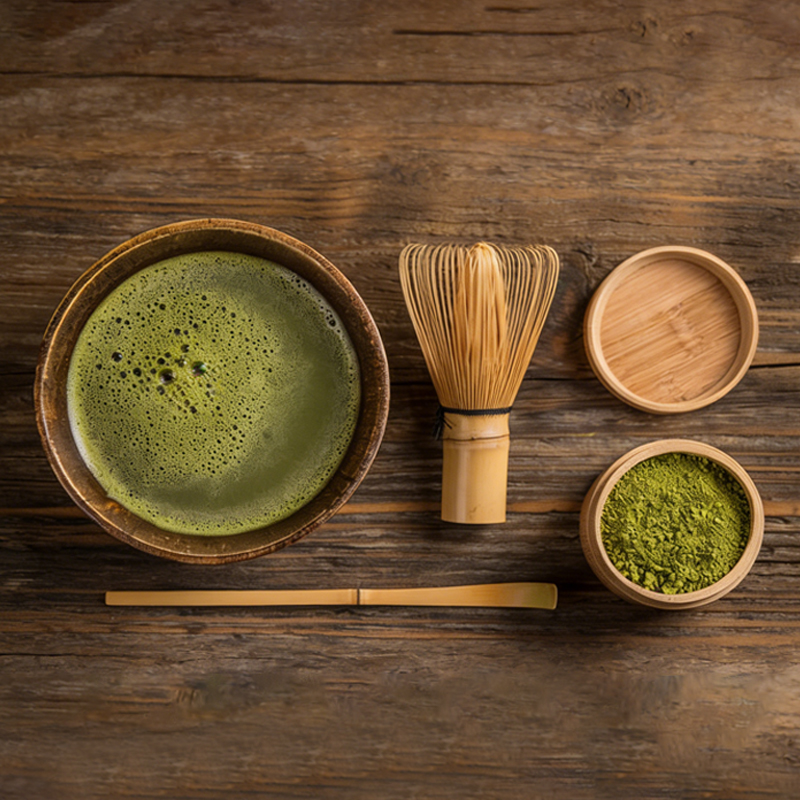 Matcha Powder Wholesale, Pure Matcha Green Tea Powder CompanyWe Are China Pure Matcha Green Tea Powder Company, Suppliers, Hangzhou Baoda Tea Co., Ltd. Wholesale Private Label Organic Matcha Powder ...View Product →
Online retail is pulling new buyers into the category
E-commerce has become the fastest-growing distribution channel for green tea. That changes the structure of demand. Smaller brands can enter the category without a physical retail network, and they tend to order in smaller but more frequent lots. That favors exporters who keep standard grades in stock and can handle mixed containers.
Sustainability is changing the specification sheet
European buyers in particular are asking for evidence of pesticide control, traceable origins and clean processing. This moves the negotiation from price alone to documentation and process quality. A supplier with a full inspection line and export experience can meet those requests; a trading intermediary without factory control cannot.
Bulk grades and specialty teas follow different demand rules
The global market for Chinese green tea splits into two distinct tracks. The first is the traditional bulk market. North African countries – Morocco, Algeria, Mauritania, Mali and Senegal – have a long-standing habit of drinking green tea, often with mint. They buy in whole-container volumes, prefer standard export grades such as Gunpowder and Chunmee, and optimize for price consistency. The second track is the modern specialty market. France, Belgium, Spain, the Netherlands and Italy are buying green tea for flavored blends, teabag programs, foodservice and matcha-based applications. These buyers focus more on origin, grading and clean taste.
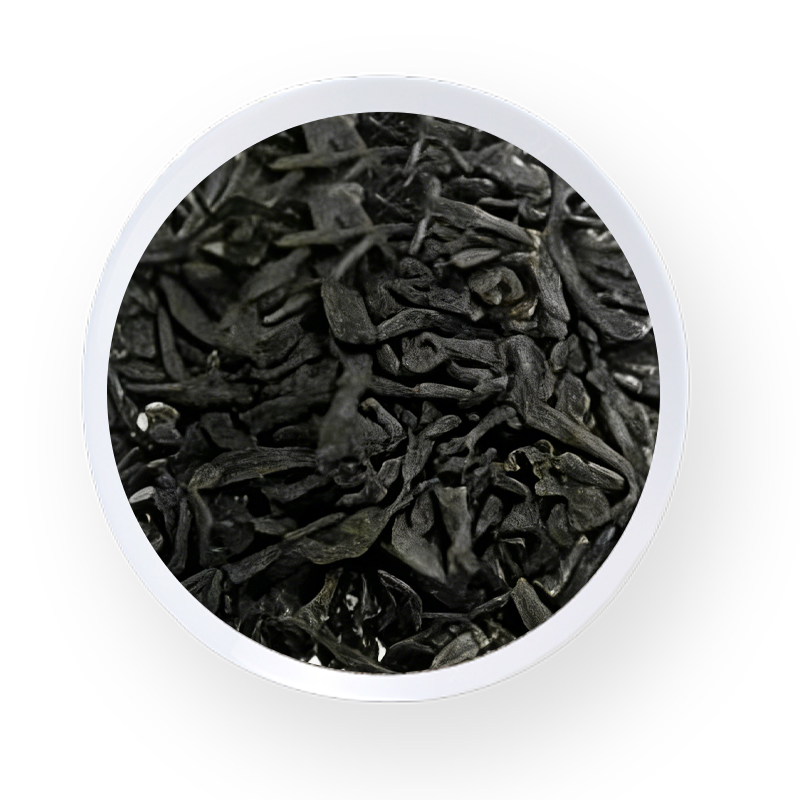
In between is a very active middle ground. European blenders and packers need a solid, blend-friendly green tea that works as the base for flavored products. The Chunmee 41022 series is the classic choice. The same base grade is available on a ladder from AAA to AAAAAAAA, which means a buyer can match leaf quality exactly to a retail price point. Chunmee 41022 AAAA is one of the most frequently requested specifications for this kind of work.
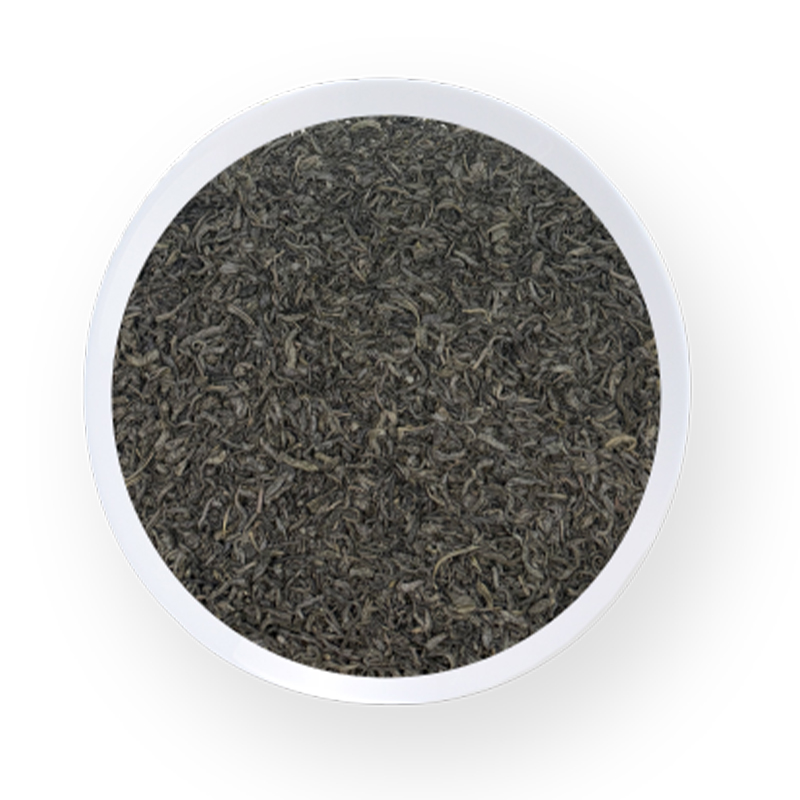 Wholesale Chunmee 41022 AAAA Suppliers, CompanyHangzhou Baoda Tea Co., Ltd. Is China Wholesale Private Label Chunmee 41022 AAAA Suppliers, Company, 4A·Material: Higher proportion of ma...View Product →
| Dimension | Traditional bulk markets | Specialty markets |
|---|---|---|
| Main product types | Gunpowder 3505, Chunmee 4011, Chunmee 41022 | Matcha, Longjing, jasmine, organic green tea |
| Typical order size | Full containers, repeat orders | Smaller containers, mixed loads |
| Key decision factors | Price, grade stability, packing | Origin, flavor, certification, traceability |
| Downstream use | Direct brewing, mint tea, wholesaling | Teabags, blends, foodservice, retail brands |
| Growth pattern | Steady volume growth | Premium-priced growth |
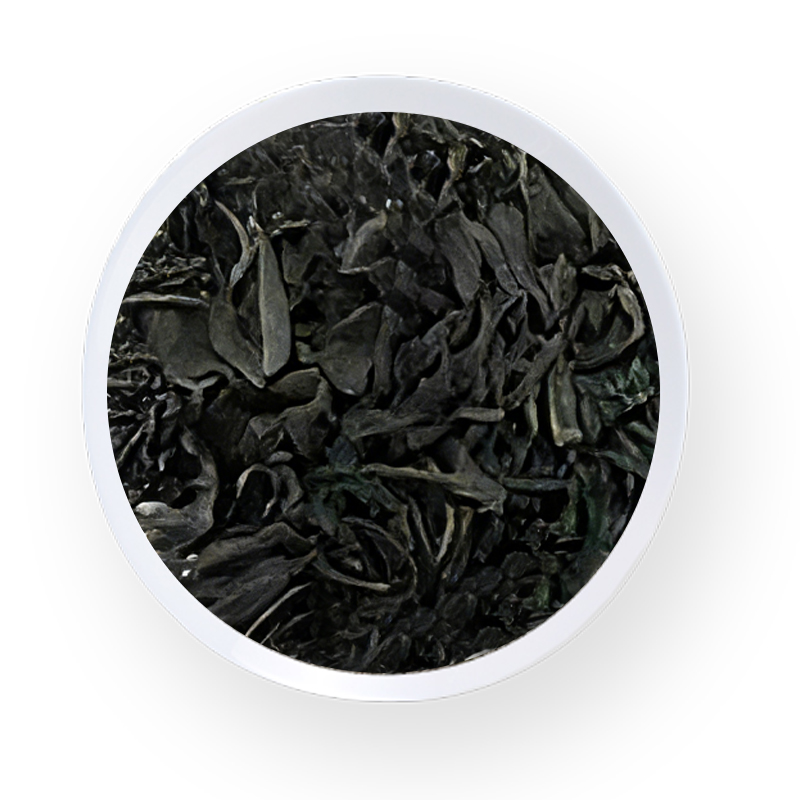
North Africa remains the largest destination for Chinese export green tea by volume, and that will not change quickly. The faster-growing value, however, sits in the specialty segment. Gunpowder 3505 AAA is a good example of the traditional track: a dependable, well-fired grade with a tight rolled leaf, used for everyday consumption and mint tea preparation. It is produced in standard A, AA, AAA and Diamond grades, so buyers can select on leaf size, flavor intensity and the price point of their own market.
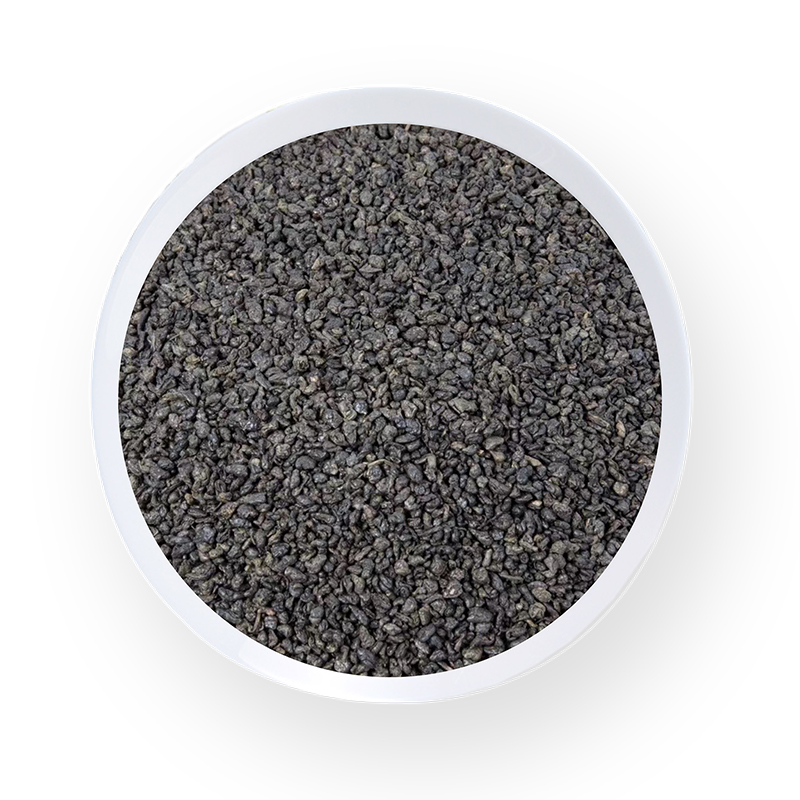 Wholesale Gunpowder 3505 AAA Suppliers, CompanyHangzhou Baoda Tea Co., Ltd. Is China Wholesale Private Label Gunpowder 3505 AAA Suppliers, Company, Gunpowder 3505 AAA represents the hi...View Product →
What to check before committing to a Chinese green tea supplier
Rising demand has attracted many intermediaries to the Chinese green tea export channel. Some are genuine exporters with factory control; others are traders who buy from whoever offers the lowest price. The difference shows up in the first few containers. Look for three things.
Factory ownership, or at least close control over processing, comes first. A factory such as Baoda's in Huangshan, with 12,000 square meters of workshops, modern sorting and packing equipment and an annual capacity of 10,000 tons, can deliver the one thing bulk buyers need most: consistency across shipments.
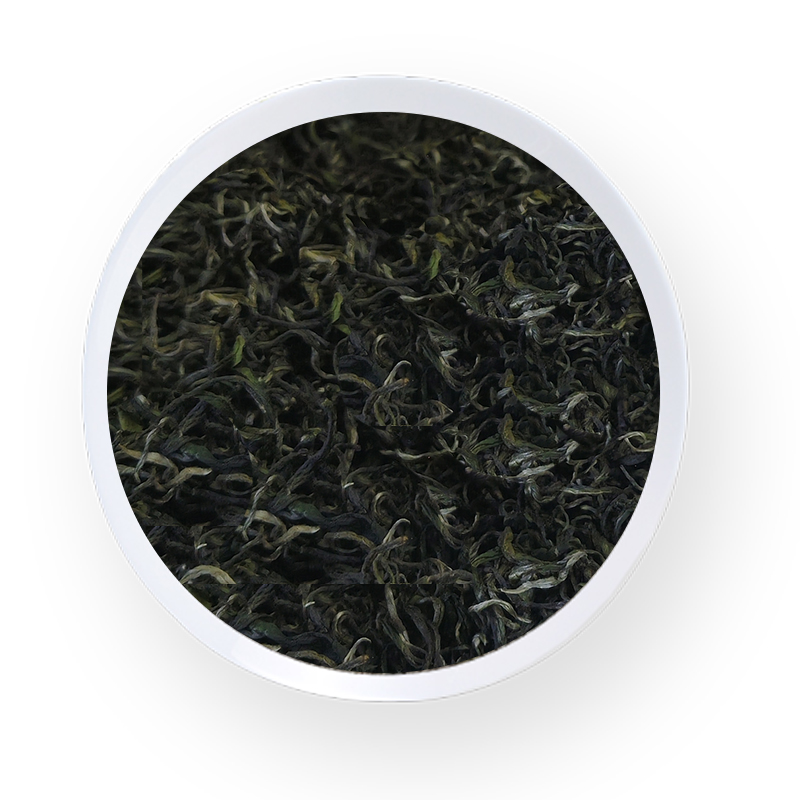
Grade definition comes second. Chinese export green teas are described by a combination of leaf type and quality suffix. The Gunpowder 3505 series ranges from A to AAA, plus Diamond; the Chunmee 41022 series goes from AAA to AAAAAAAA. These suffixes directly affect leaf size, broken-leaf content and price. Knowing how to tell the quality of China green tea 9371 or 41022 by dry leaf appearance, liquor color and mouthfeel saves money on every order. A practical inspection routine should cover at least these points:
- Visual check for leaf uniformity, twist, color and broken-leaf content
- Infusion check for aroma cleanliness and liquor color
- Moisture content check, since excess moisture ruins green tea during transit
- Residue and documentation check on pesticide compliance and export certificates
- Packing check for food-grade inner lining and the condition of outer cartons
| Check | What to look for |
|---|---|
| Leaf grade | Uniformity, twist, low broken-leaf content |
| Infusion | Clean aroma, clear liquor, expected color range |
| Moisture | Below 7 percent is the safer range for long transit |
| Compliance | Pesticide residue limits and export certificates |
| Packing | Food-grade lining, sealed cartons, no off-odors |
The third thing to verify is the ability to keep the supply safe from pests and contamination. Green tea is an agricultural product, and problems that begin in the warehouse – moisture, pests, adulteration – usually surface only after the container reaches your destination. An exporter with a serious storage and packing process is worth more than a marginally lower price. Working with a company that publishes its factory base and supply-chain practices puts you in a stronger position than contracting with an intermediary who cannot show you where the tea was processed.
The bottom line for importers
The global green tea market is moving toward USD 51 billion by 2034, and Chinese green tea will supply most of that volume. The growth is not one-dimensional: wholesale demand for standard grades in Africa keeps rising, while European and North American buyers are simultaneously creating new demand for matcha, specialty leaf and certified products. That combination makes Chinese green tea one of the most strategically important beverage categories in international trade.
For an importer, the implication is clear. Choose suppliers with real factory control, a transparent grade system and a track record you can verify. The market is large enough for many players, but only a minority of exporters can deliver what today's buyers need. The sooner you evaluate a partner against those standards, the better positioned you will be.
 We sincerely welcome customers from all over the world to visit us and seek common
development and create brilliant future.
We sincerely welcome customers from all over the world to visit us and seek common
development and create brilliant future.
Contact BAODA
 Our Phone
+86-15386682887
+86-13857173531
 E-mail
[email protected]
[email protected]
[email protected]
 Our Address
Room 1601, Building 2, New Town Times Square, 189 Fengqi East Road, Hangzhou, Zhejiang Province, China.
Inquiry Us Now
Copyright © Hangzhou Baoda Tea Co., Ltd. All Rights Reserved
Wholesale China Premium Green Tea Company
