

 English
 Français
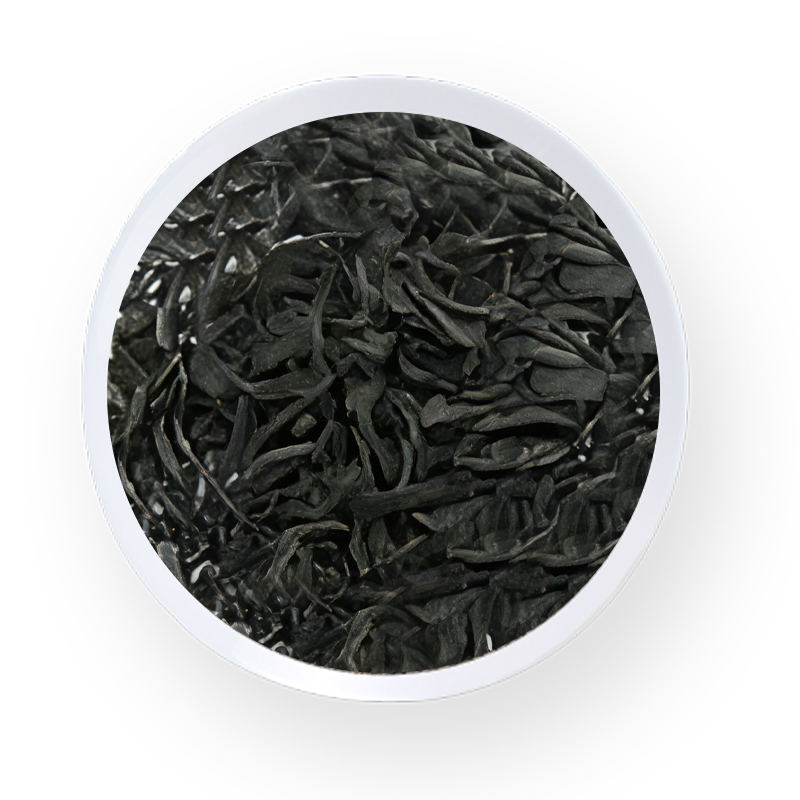
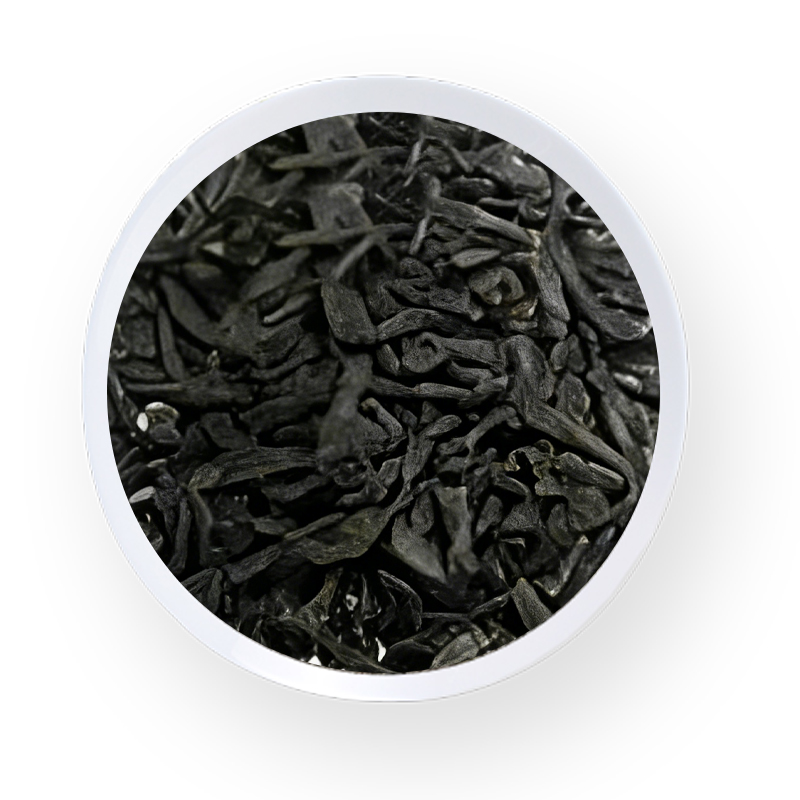
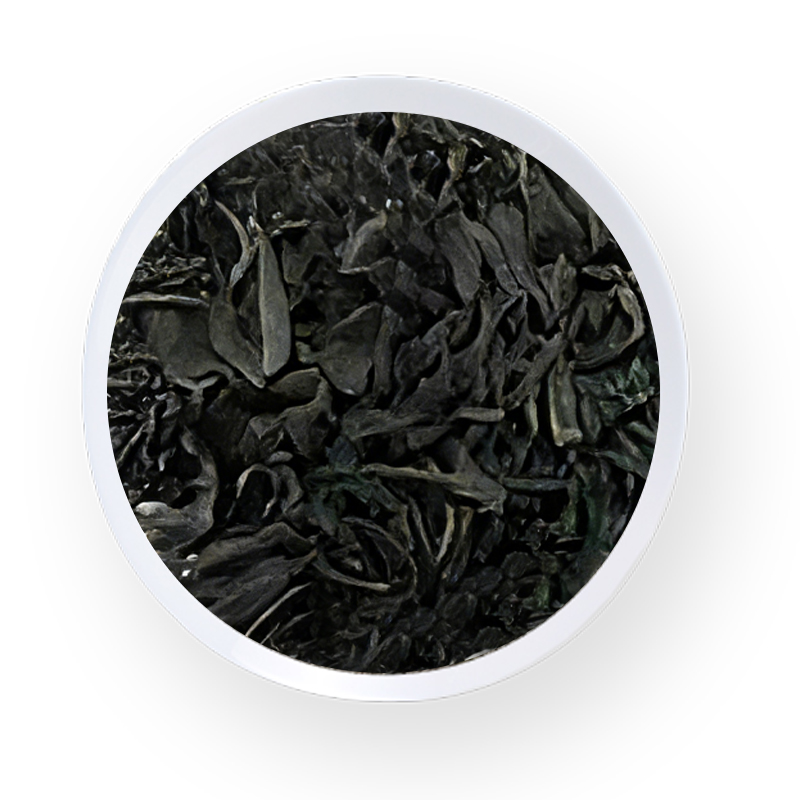
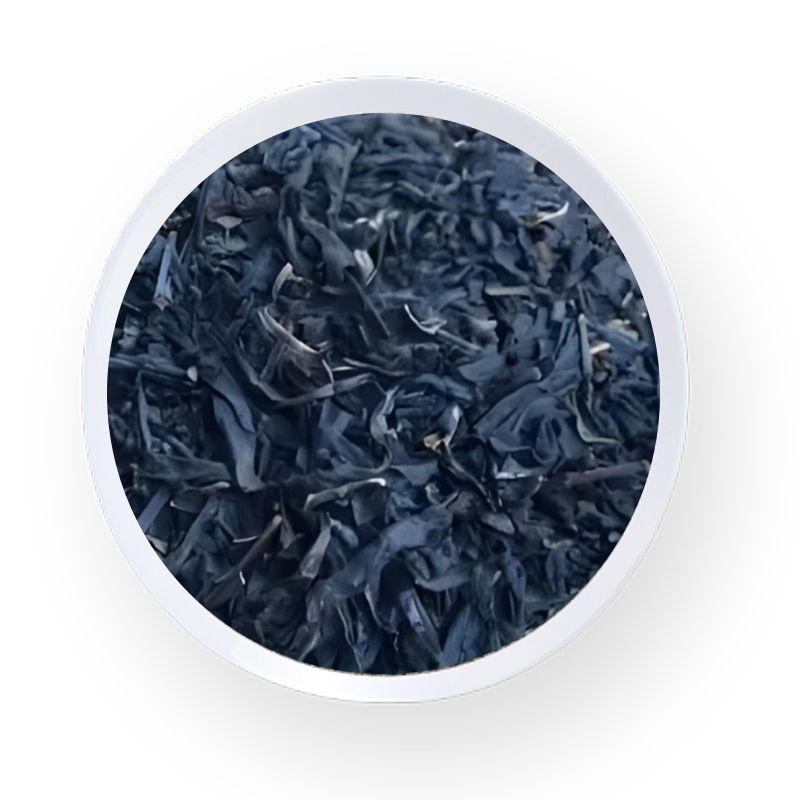
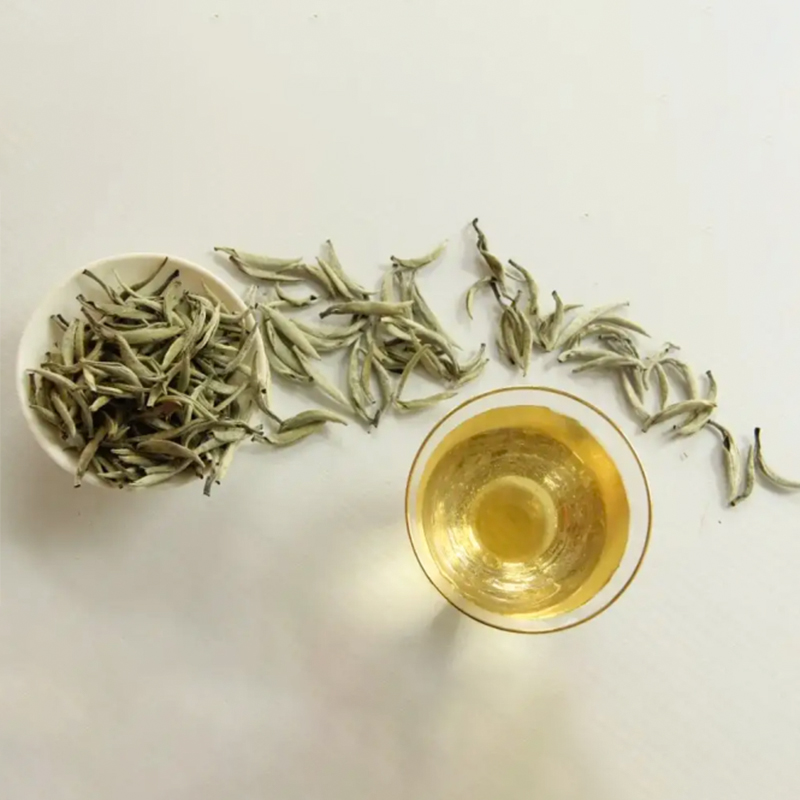

Chinese Green Tea for Lemon Tea
High Clarity Green Tea Base for Citrus Blending, Bottled Lemon Tea and Food Service ProgramsThis Chinese green tea is supplied as a clarity-oriented base for lemon tea applications. Lemon tea blends combine tea with lemon juice, lemon flavor, acidulants, and sugar, and the acidity in the finished drink tends to shift liquor color and astringency. The base is selected so that color remains stable once citric or malic acid is added, and so that the tea body does not turn sharp after acidification. Particle range is set by sieve to match the brewing or extraction method, whether shop batch brewing, chilled extraction, or bottled lemon tea production. The tea is supplied without added flavoring or acidulant, so lemon dosage, acidity, and sweetness remain under the buyer's control. Particle specification, moisture level, packaging format, and order terms are confirmed per project.
Commercial & Specification Overview
Why Clarity And Acid Stability Matter In Lemon Tea
Lemon tea is an acidic beverage. When citric or malic acid is added, tea liquor tends to darken and can develop haze or sediment over shelf life. Astringency also becomes more noticeable against acidity, which is why a base selected for low harshness matters in this application. Clarity and color stability after acidification are the two quality points that determine whether a lemon tea base is usable, and both are affected by particle range, tea selection, and downstream filtration. Base selection for lemon tea therefore prioritises clarity and acid stability over aroma intensity, since the lemon component carries the front note.
Core Advantages
Color stability after acid addition
The base is selected for liquor color behavior after citric or malic acid addition, which reduces the darkening that commonly appears in acidic lemon tea formulations during shelf life.
Clarity control through particle and filtration matching
Particle range is set with the downstream filtration stage in mind. Matching the two is the main method for limiting haze and sediment in chilled and bottled lemon tea.
Low harshness against acidity
Astringency becomes more pronounced in acidic beverages. The base is selected so the tea body does not turn harsh once acidulants and lemon juice are added.
Neutral base for lemon and sweetener control
The tea is supplied without added flavoring or acidulant, so lemon type, dosage, acidity, and sweetness remain with the buyer. This limits rework when adjusting the finished profile.
Technical Parameters
Applications
Bottled and canned lemon tea
Used as the extraction input for bottled lemon tea, where color stability after acidification and clarity through shelf life are the primary quality points.
Shop-brewed lemon tea
Used as the base tea for tea shop and cafe lemon tea preparation, combined with fresh lemon, syrup, and ice at the point of service.
Chilled extraction lemon tea
Supplied for chilled extraction systems where lower astringency and stable color are required in the finished chilled product.
Lemon tea concentrate
Used as the brewing input for concentrate production, later diluted and acidified at the filling or food service stage.
Food service and catering supply
Supplied in bulk for restaurants, cafes, and hotel outlets running house lemon tea programs.
Supply Capabilities
Production for this lemon tea base covers primary green tea processing and sieve grading after drying. Particle range, fine particle ratio, and moisture level can be adjusted against order requirements to match the brewing or extraction method and the downstream filtration stage. Bulk supply capacity, production scheduling, and repeat order support are confirmed against specific order quantity and delivery timing. Batch and production records can be provided for traceability against buyer requirements.
What Buyers Usually Verify First
Color after acidification
Lemon tea color can shift significantly once acid is added. Buyers usually confirm color after the actual acid addition level rather than on unacidified brew.
Clarity through shelf life
Haze and sediment can appear during storage even when initial clarity is acceptable. Clarity should be checked after chill and storage, not only at the fill stage.
Astringency against acid level
Astringency rises in acidic conditions. The tea ratio and steeping time may need adjustment compared with a non-acidic green tea application.
Filtration stage compatibility
Particle range and filtration need to be agreed together. A mismatch between the two is the usual cause of clarity failure in finished lemon tea.
Frequently Asked Questions
Why does lemon tea color change after acid is added?
Tea polyphenols react to acid and to heat, which shifts liquor color and can cause haze. Base selection and particle range both affect how much change occurs, so color should be confirmed after acidification and the actual process conditions.
Which particle range is used for lemon tea extraction?
Particle range is matched to the extraction system and the filtration stage. Broken leaf and fine particle ranges are commonly used for lemon tea, with the final limit agreed after trial extraction and clarity testing.
Does the tea contain added lemon flavor or acidulant?
The tea is supplied as a plain green tea base without added flavoring or acidulant. Lemon type, dosage, acidity, and sweetness are decided by the buyer at the formulation stage.
Can the same base be used for bottled and shop-brewed lemon tea?
The same tea material can be supplied in different particle ranges for bottled extraction and for shop batch brewing. The applicable range is confirmed against the method and filtration in use.
What factors affect production lead time?
Lead time is typically affected by order quantity, particle specification, packaging format, and export document preparation. Specific delivery timing is provided after order specifications are confirmed.
Can quality inspection or export documents be provided?
Inspection reports and export documents can be provided against order requirements, with specific items confirmed according to destination market regulations. No uniform commitment is made on this page.
Provide target quantity, extraction method, acidification level, clarity requirement, packaging format, and destination market so that available specifications, sample arrangements, and delivery terms can be confirmed.

 Our Phone
 E-mail
 Our Address
