

 English
  Français
 Special Tea Leaves: The Complete B2B Buyer's Guide to Grades & Sourcing
An importer in Lyon orders fifty tonnes of Chunmee every quarter. Margins are thin, and more retail customers are asking for something that looks and brews differently. That is how European and African buyers begin evaluating special tea leaves: not as a niche line, but as a practical way to raise order value. The problem is that special tea leaves do not follow the grading logic of standard export tea, and buying them well requires a different set of checks.
What Makes a Tea Special Instead of Commodity-Grade
Special tea leaves are teas selected and processed for their region, cultivar, leaf shape, and harvest season, rather than sorted into standardized export tea numbers. The mainstream Chinese export system classifies green tea by identifiers such as gunpowder 3505 or chunmee 41022, which describe leaf size, color, and cleanliness. Special tea leaves sit outside that system, and each category carries its own quality logic.
Six categories dominate B2B demand: named-origin green teas such as Longjing and Maofeng, scented jasmine tea, shade-grown matcha, partially oxidized oolong, fermented pu-er, minimally processed white tea, and ginger blends for wellness positioning.
- Longjing and Maofeng are named-origin green teas valued for leaf shape and regional character.
- Jasmine tea adds repeated scenting cycles to a green tea base.
- Matcha is shade-grown green tea ground into a fine powder.
- Oolong, white, and pu-er rely on distinct oxidation or fermentation levels.
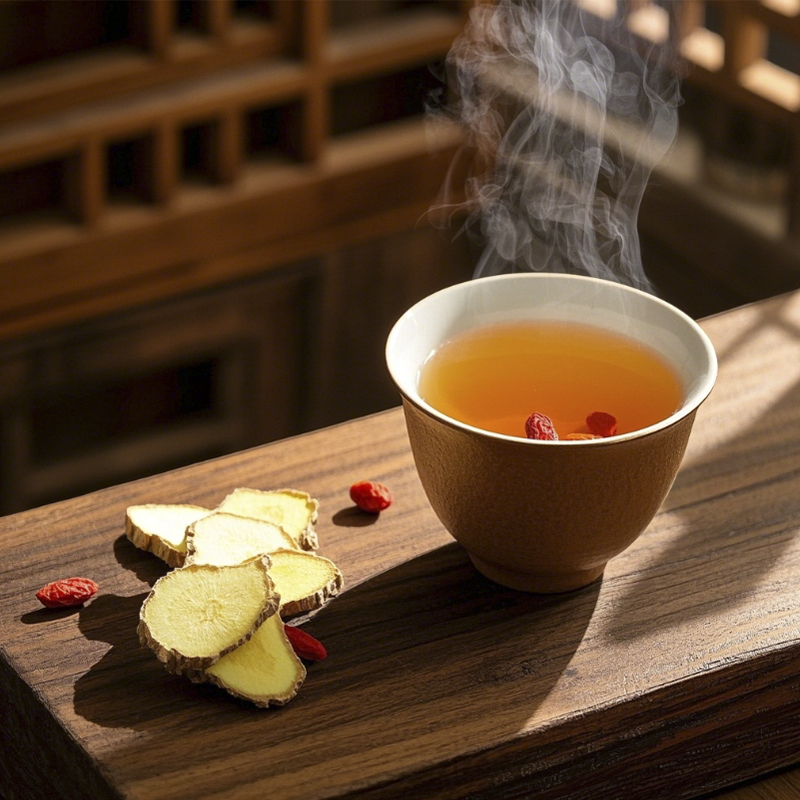
- Ginger tea positions tea as a wellness drink rather than a pure beverage.
A supplier that only ships standard export grades may still hold the same raw leaf for special tea, but quality control differs at every step, from withering to final grading.
The Special Tea Categories That Move in Bulk
For B2B buyers, the most requested special tea leaves are Longjing, Maofeng, jasmine, matcha, oolong, pu-er, white, and ginger teas. The table below maps each category against leaf form, flavor profile, and the wholesale use a buyer should plan around.
| Category | Leaf Form | Flavor Profile | Primary Buying Use |
| Longjing | Flat, sword-shaped leaves | Roasted chestnut with sweet green notes | Retail loose leaf and premium gift programs |
| Maofeng | Wiry leaves with silvery tips | Fresh, floral, lightly sweet | Everyday premium green tea lines |
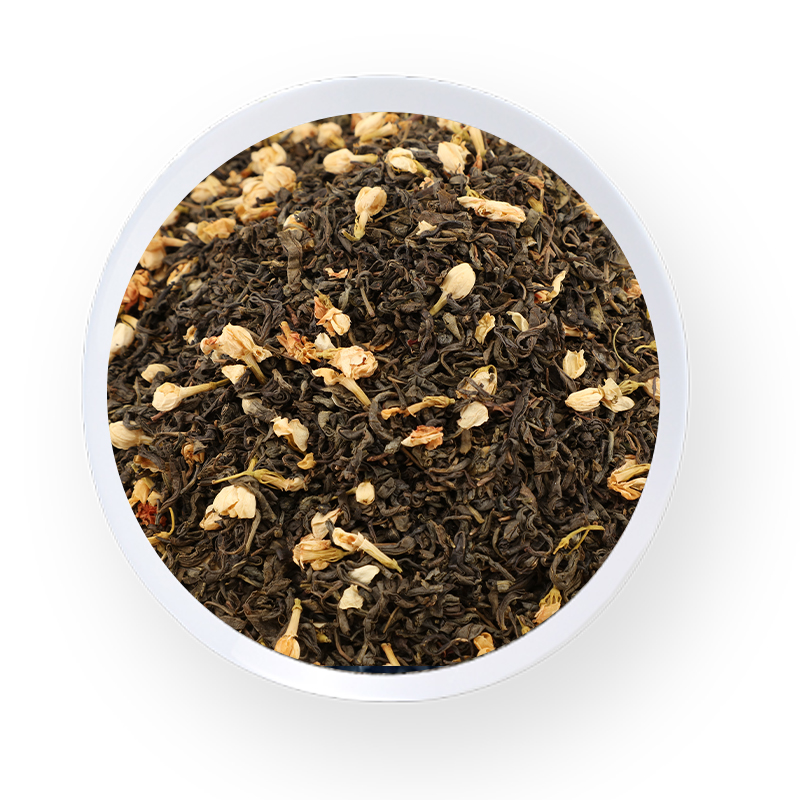
| Jasmine tea | Green tea scented with jasmine blossoms | Strong floral aroma with a sweet finish | Flavored tea retail and hospitality |
| Matcha | Stone-ground green powder | Umami, mellow, slightly sweet | Beverages, bakery, and food manufacturing |
| Oolong | Twisted or ball-shaped, partly oxidized | Floral, fruity, lingering finish | Specialty tea and gongfu-focused retail |
| Pu-er | Loose or compressed fermented leaf | Earthy, smooth, and deep | After-meal drinking and aging programs |
| White tea | Downy buds with minimal processing | Delicate, clean, slightly sweet | Premium direct-brew retail lines |
| Ginger tea | Dried tea blended with ginger | Warm, spicy, invigorating | Wellness drinks and everyday sachets |
A practical way to start is to compare factory-direct Longjing tea against the same leaf from a trading house, then review the full special tea category to plan the first container mix.
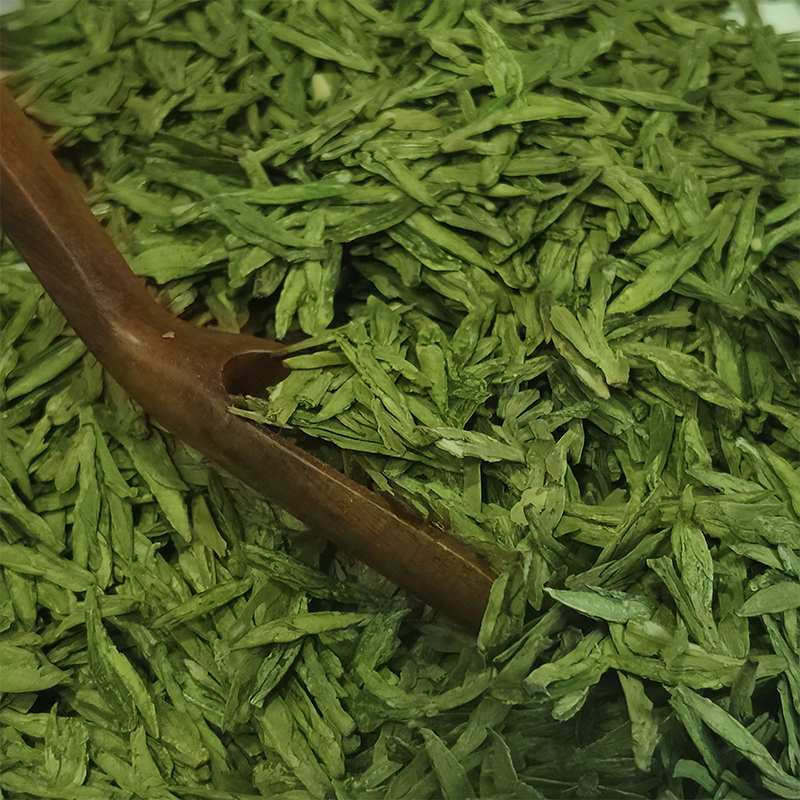 Chinese Longjing Tea, Longjing Tea Leaves Company, SuppliersWe Are China Longjing Tea Leaves Company, Suppliers, Hangzhou Baoda Tea Co., Ltd. Wholesale Private Label Chinese Longjing Tea For Sale.View Product →
How to Judge the Quality of Special Tea Leaves
Quality in special tea leaves is visible in four places: dry leaf shape, dry aroma, brewed liquor, and infused leaf bottom. Start with the dry leaf before you brew anything.
- Shape: uniform flat, tight, or wiry leaves with few broken pieces.
- Dry aroma: clean and fresh, with no mustiness, sourness, or off smokiness.
- Moisture: leaves should snap cleanly instead of bending softly.
- Brewed leaf bottom: soft, even, and intact leaves after steeping.
Flavor evaluation differs by category. For scented lines, check whether the floral character persists into the second and third infusions; a one-dimensional aroma usually points to artificial flavoring. Test a jasmine tea sample across the dry leaf, first brew, and spent leaf separately.
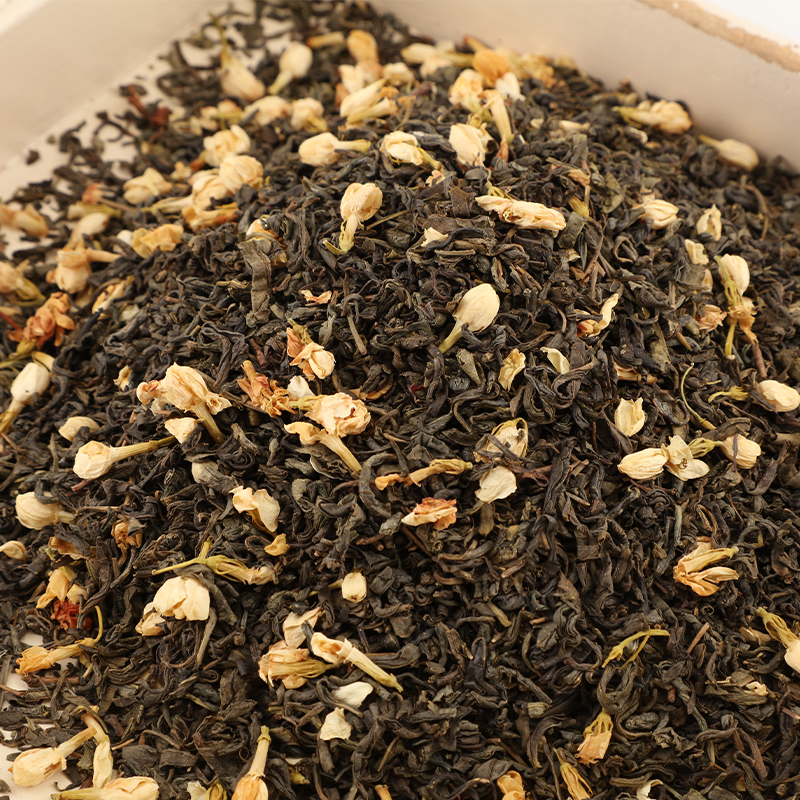 Chinese Organic Jasmine Green Tea, Premium Jasmine Tea CompanyHangzhou Baoda Is Chinese Organic Jasmine Green Tea Suppliers, Premium Jasmine Tea Company, We Wholesale Private Label Premium Jasmine Te...View Product →
Season also defines quality. Pre-Qingming Longjing, harvested before early April, typically sells at 2 to 3 times the price of post-Qingming lots, and the difference appears in tenderness and aroma depth.
Sourcing Special Tea Leaves: What Actually Goes Wrong
The main risks in sourcing special tea leaves are seasonality, lot inconsistency, breakage, and the mismatch between sample and container. Green special teas are essentially spring products: order outside the harvest window and you pay more for stored leaf or accept faded aroma.
- Define the end format: loose leaf for retail, cut leaf for sachets, or powder for food production.
- Request samples from the current production batch, not from last season.
- Brew-test under your own conditions, with your own water and steep times.
- Agree on a written benchmark for shape, aroma, moisture, and pack weight.
- Lock the production slot before the harvest window closes.
The real cost of a failed special tea order is not the cargo; it is the lost selling season and the damage to a retail brand. A disciplined sampling process removes most of that risk.
For packaging and supplier verification steps that apply to all loose-leaf sourcing, see our guide on sourcing Chinese gunpowder tea with attention to freshness, packaging, and supplier reliability.
Powder ingredients need an extra check layer. For a food-grade matcha specification, verify particle size, color under direct light, and the grinding date, because powder oxidizes much faster than whole leaf.
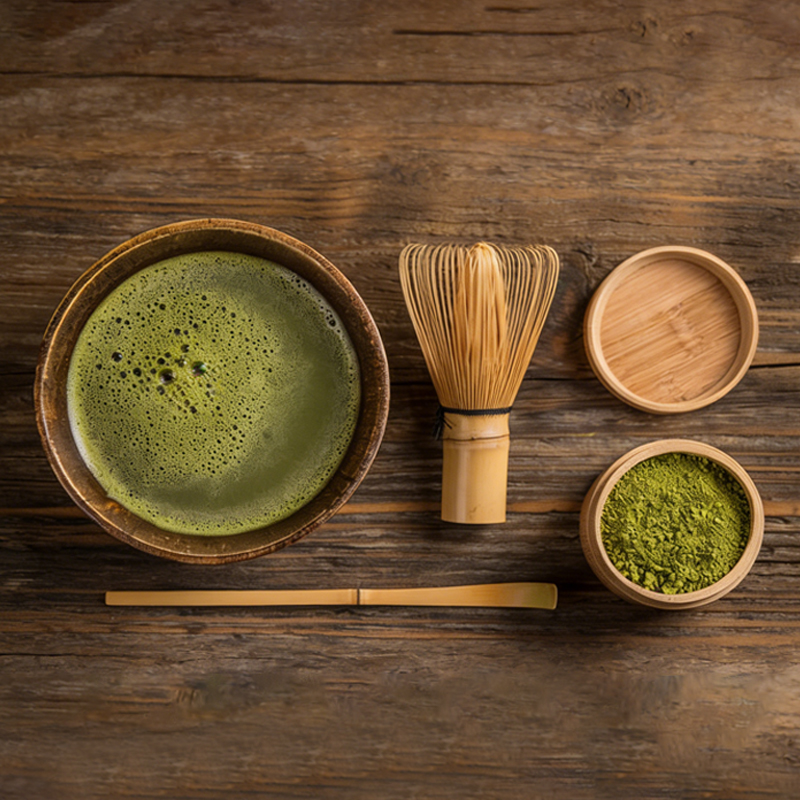 Matcha Powder Wholesale, Pure Matcha Green Tea Powder CompanyWe Are China Pure Matcha Green Tea Powder Company, Suppliers, Hangzhou Baoda Tea Co., Ltd. Wholesale Private Label Organic Matcha Powder ...View Product →
Why a Manufacturer-Exporter Model Works for Special Tea
A manufacturer-exporter with factory control keeps special tea leaves consistent because it processes, blends, and packs from the same lots it sources. Hangzhou Baoda Tea Co., Ltd. operates this model from a 40,000-square-meter factory complex in Huangshan, Anhui, with 12,000 square meters of workshop space and an annual production capacity of 10,000 tonnes.
That scale matters for special tea because small-lot processing must still meet container-sized demand. Factory control means the same team that fixes the grade specification also handles withering, firing, and packing, so seasonal quality variations are managed at the source.
Review the company profile or contact Hangzhou Baoda Tea Co., Ltd. directly to build a special tea program around your target markets in Africa and Europe.
Frequently Asked Questions About Special Tea Leaves
Are special tea leaves more expensive than standard export green tea?
Yes, on unit price, but margins are higher. Pre-Qingming Longjing can cost 2 to 3 times more than later lots, while matcha pricing depends on shade days and grinding fineness. The retail positioning of special tea usually compensates for the higher input cost.
Can special tea leaves be shipped in food-grade bulk packaging?
Yes. Use food-grade inner bags with an aluminum foil liner and sturdy outer cartons. Matcha and jasmine tea require oxygen-barrier bags because their aromas and colors degrade quickly when exposed to air.
Do special tea leaves keep as long as gunpowder or chunmee?
No. Whole-leaf special teas are more porous and absorb moisture and odor faster than rolled pellets or tightly curled leaf. Order smaller, frequent quantities, seal each lot in barrier liners, and rotate stock within the season.
How do I confirm that a supplier is the actual manufacturer?
Ask for factory photos, certification documents, capacity figures, and a sample from the current production batch. A manufacturer-exporter such as Hangzhou Baoda Tea Co., Ltd. can trace a lot back to specific processing lines, which no trading intermediary can honestly do.
 We sincerely welcome customers from all over the world to visit us and seek common
development and create brilliant future.
We sincerely welcome customers from all over the world to visit us and seek common
development and create brilliant future.
Contact BAODA
 Our Phone
+86-15386682887
+86-13857173531
 E-mail
[email protected]
[email protected]
[email protected]
 Our Address
Room 1601, Building 2, New Town Times Square, 189 Fengqi East Road, Hangzhou, Zhejiang Province, China.
Inquiry Us Now
Copyright © Hangzhou Baoda Tea Co., Ltd. All Rights Reserved
Wholesale China Premium Green Tea Company
